Climate crisis leaves Malaysia with hot-headed youth
Young Malaysians are reporting worsening illnesses, heat-related health problems and disruptions to basic services as climate change intensifies, raising questions over whether the country’s adaptation policies can protect future generations. Unicef Malaysia’s National Youth Climate Change Survey 2025, released in July, found that climate change was no longer only an environmental challenge but…

Malaysia faces a growing public health crisis as climate change intensifies, with young people experiencing worsening health issues and disruptions to essential services, according to a new survey by Unicef Malaysia. The survey of 1,420 young people aged 15 to 30 found that climate change is no longer just an environmental issue but a pressing public health and economic concern.
One in four respondents reported that existing illnesses had worsened, while 19.7 per cent cited skin conditions, 18 per cent experienced heat-related illnesses, and 14.3 per cent reported respiratory problems. Additionally, over half of the respondents said climate-related disasters had affected their access to essential services such as information, education, and safe spaces.
Experts warn that policymakers must invest in both reducing emissions and adapting to more frequent heatwaves, floods, and other climate-related shocks to protect future generations. Dr Jemilah Mahmood, executive director of the Sunway Centre for Planetary Health, said the survey shows climate change has evolved into a public health challenge, with direct injury, infectious disease, and chronic condition exacerbation occurring simultaneously in young people.
Climate experts argue that Malaysia must emphasize adaptation plans to build workforce resilience, as failing to act would lead to increased healthcare costs, productivity losses, and widened social inequalities. Public health experts emphasize the vulnerability of young children to extreme heat, noting that their bodies regulate temperature less effectively, making them more susceptible to dehydration and heat-related illnesses.
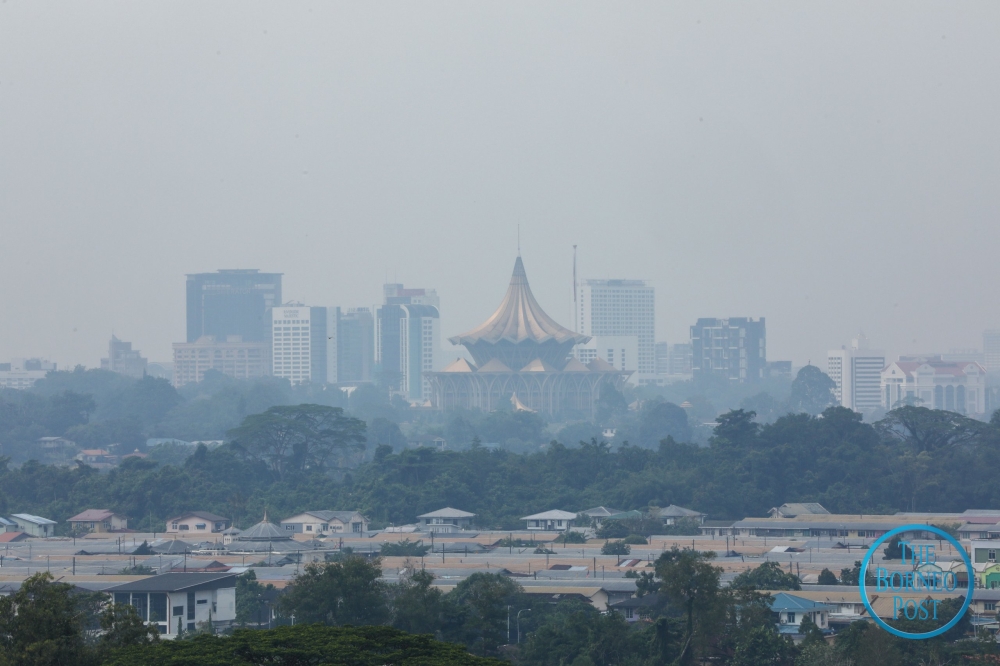
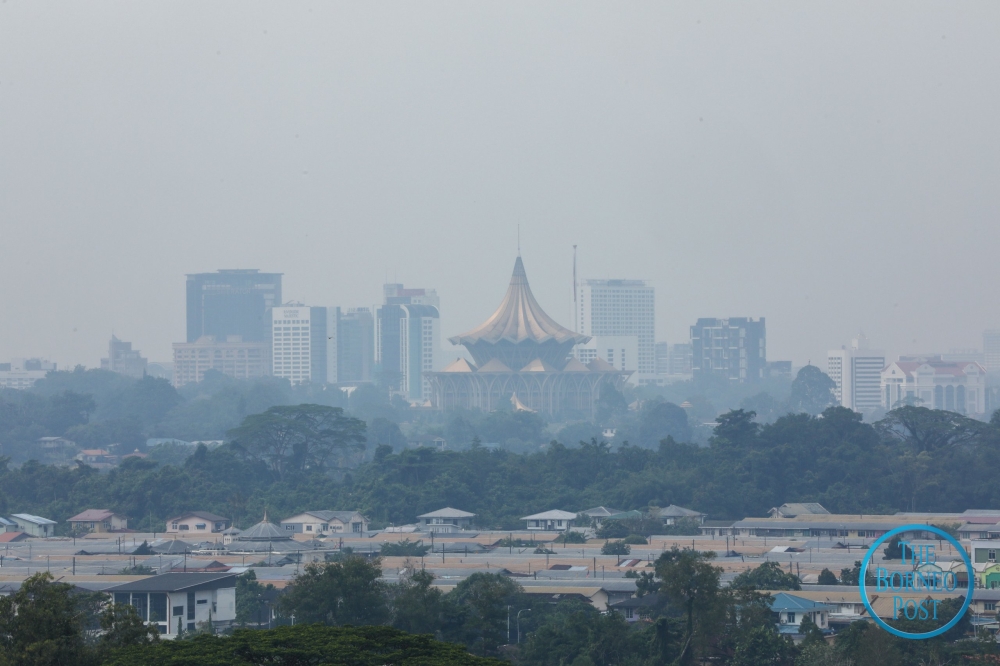
Malaysia has issued multiple hot weather alerts this year, with temperatures reaching up to 40 degrees Celsius in various regions. However, public health measures to address heat-related risks have been deemed inadequate, with experts urging for stronger heat-health action plans, better air quality management, and increased investment in climate-resilient public infrastructure to protect young people and the country's future workforce.
Written by urgent.news from South China Morning Post's reporting — not their text. Machine-written — may contain errors; check the original before relying on it.