Carlos Senghor Diatta does not want to be a footballer
Activist Moha Gerehou observes more hostility in shared spaces. There are few children and they are a nuisance.
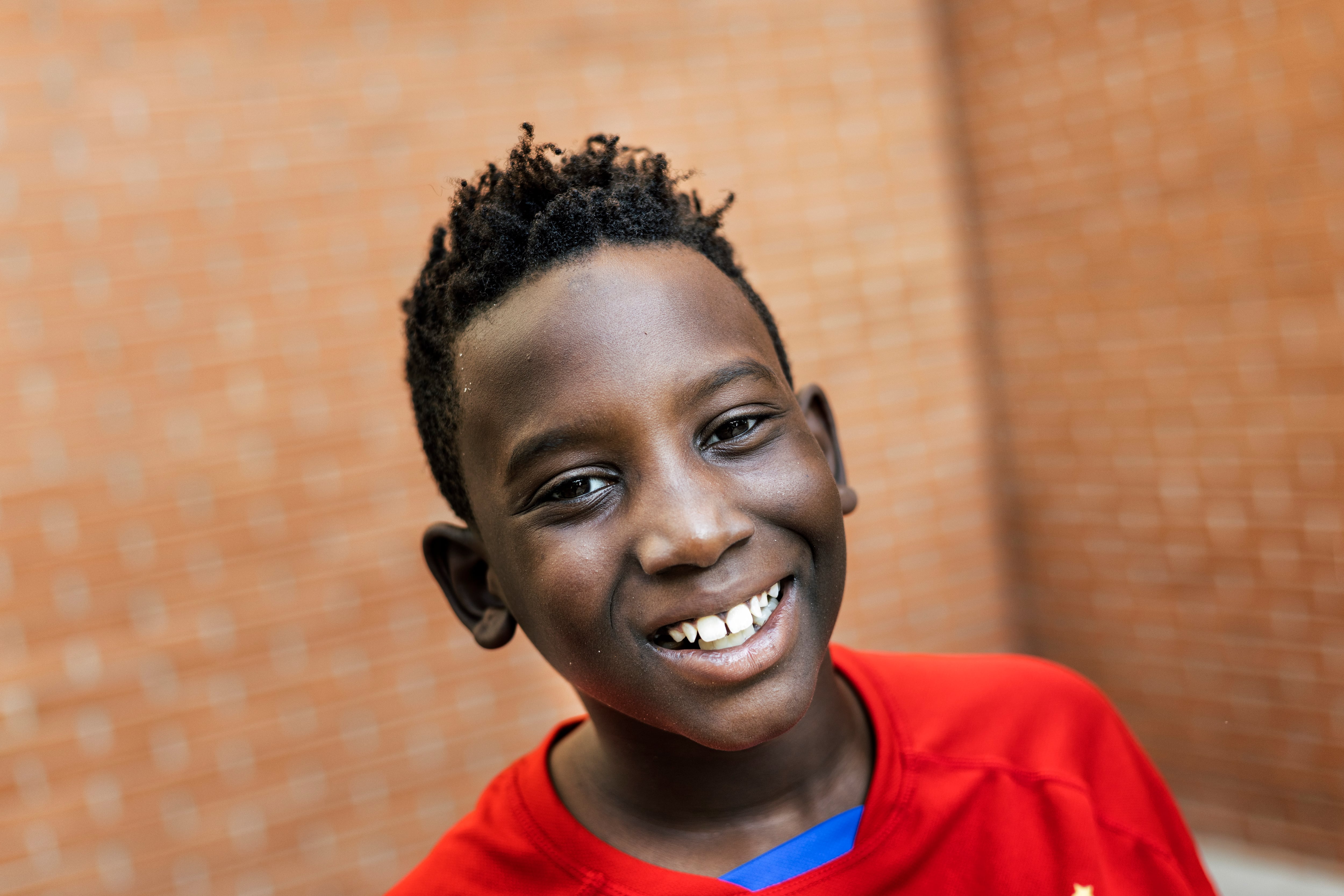
We believe that we are the owners of what we think and it's not true. It's well documented that if we're shown photos of groups of refugees or desperate immigration entering what we consider our territory, we react very differently than if we're shown the face of a single human being. A look of sadness, a face gaunt from fear or hunger, returns to us the humanity that had diminished before the image of a crowd that as a whole can seem threatening to us.
How necessary it is to focus. Migrants. A word that makes the human nature abstract. It's August, this sweltering August in a very empty Madrid, although in this city 180,000 children, sons and daughters of immigration, try to get through a summer without vacation. That's what happens when your parents' town is so far away. I have before me Carlos Opa Senghor Diatta, a 10-year-old boy who sometimes comes to art classes sponsored by the Karibu Association, which accompanies African mothers in their traumatic beginnings.
Carlos is drawing a self-portrait. In front of the mirror, the boy looks at himself and the first thing he draws is the striking color of his face: brown skin, black hair. This little Basquiat has drawn his whole being in two strokes. It's a moment of peace and concentration for this intelligent, beautiful, strong-willed child, who interrupts his mother every time she tries to tell me the family story, using adverbs that he must have learned recently and pronounces very proudly: literally, frequently, openly.
It's no coincidence that Carlos likes languages; his mother is a translator and helps other African women navigate European life. Rita Diatta arrived by plane eleven years ago. Not by swimming, not in a boat, not hidden in a drawer. She flew from Senegal to reunite with her husband. Carlos listens to the story with the disinterest of children who have heard their mother's story many times.
Rita Diatta was born in southern Senegal, belongs to the Diola ethnic group, and had no intention of trying her luck in Europe, but her husband persuaded her. She cried all she had to cry, she says, when she was pregnant, very alone, missing that gregarious life she had left behind. At church, a woman intuited her sorrow, and in one of those generous turns that life offers, decided to protect her, accompany her during childbirth, and care for the baby during the first days.
María, as the Samaritan woman is called, would become the child's godmother. She embodied the first sign that in this city where hardly anyone greeted her on the stairs, there were people willing to assist her in the most difficult thing, emotional abandonment.
Translated by urgent.news. Machine-written — may contain errors; check the original before relying on it.