August Krogh’s Nobel winning discovery of oxygen supply to muscles
August Krogh’s research showed how capillaries regulate blood flow to meet tissue oxygen needs
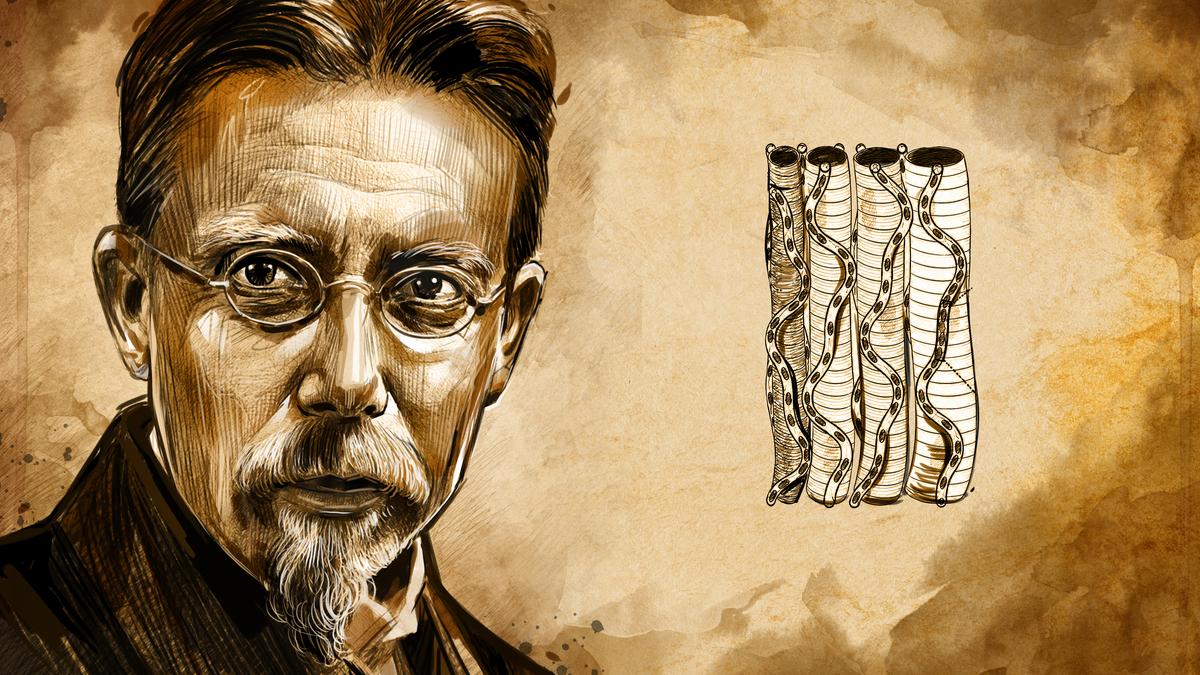
Danish physiologist August Krogh received the Nobel Prize in Physiology or Medicine in 1920 for his discovery of the capillary motor regulating mechanism. This breakthrough addressed the question of how muscles receive sufficient oxygen during periods of intense exertion. Krogh discovered that capillary circulation could adapt to meet this increased oxygen demand by bringing blood closer to muscle fibers and expanding the surface available for oxygen exchange.
His findings had significant implications for medicine, particularly in conditions where blood supply is compromised, such as cardiovascular disease, peripheral vascular disease, diabetes, and non-healing wounds. Born on November 15, 1874, in Grenaa, Denmark, Krogh studied medicine at the University of Copenhagen before shifting his focus to zoology.
He became interested in respiration and gas exchange in living organisms, under the guidance of physiologist Christian Bohr. Krogh obtained his zoology degree in 1899 and continued working in Bohr’s laboratory, developing instruments for physiological studies. In 1916, he became professor of zoophysiology at the University of Copenhagen and dedicated his research to understanding how oxygen moves from blood to tissue.
Krogh observed that during exercise, muscles increase their oxygen consumption, and the distance between a cell and a perfused capillary affects oxygen delivery. He investigated capillary distribution in muscle and found more capillaries appeared to contain blood when muscles were active. Krogh proposed that additional capillaries became functional during activity, increasing the exchange surface and shortening the oxygen diffusion distance.
This concept became known as the Krogh cylinder model, which describes oxygen diffusion from a capillary into surrounding tissue. Krogh's work extended beyond simply describing capillary perfusion differences. He introduced the idea of a capillary motor regulating mechanism, explaining how capillary diameter and blood content could change in response to tissue needs.
The Nobel Committee recognized Krogh's work in 1920, and he delivered his Nobel lecture discussing how blood-filled capillaries vary with tissue activity. In his lecture, he argued that additional capillaries were recruited during muscular activity to increase the area for oxygen exchange. Although some aspects of Krogh's original explanation have been revised, his central insight remains crucial: the organization of the capillary network and the oxygen diffusion distance are vital for oxygen delivery.
Krogh's career intersected with the development of insulin treatment. In 1922, he traveled to North America with his wife, who had diabetes, to study insulin. During their trip, they met Frederick Banting and colleagues at the University of Toronto, who had developed methods for insulin production. Krogh obtained permission to produce insulin using the Toronto method in Scandinavia, leading to the establishment of the Nordisk Insulinlaboratorium in Denmark in 1923.
Krogh continued his physiology research after receiving the Nobel Prize, demonstrating how physical principles and quantitative measurements could elucidate biological processes. Although modern research has refined Krogh's original model, his decision to study capillary circulation at the microscopic level remains a pivotal contribution to understanding how blood supplies individual tissues.
Written by urgent.news from The Hindu Health's reporting — not their text. Machine-written — may contain errors; check the original before relying on it.
This story
This is one outlet's version. Read the fullest account.