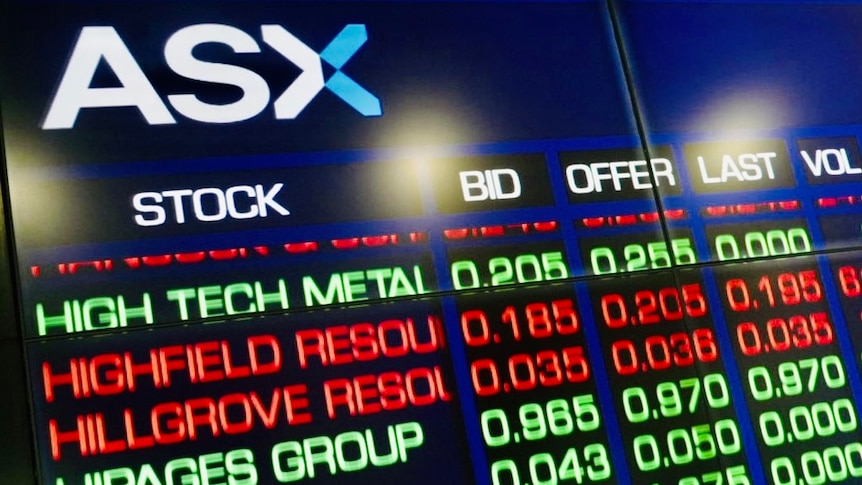
Asian stocks track Wall St higher after US job losses ease rate fears
Asian stock markets rose on Monday as investors pared their bets on a Federal Reserve interest rate hike after data showed thousands of US jobs were lost in July, though sentiment was dented by anothe...
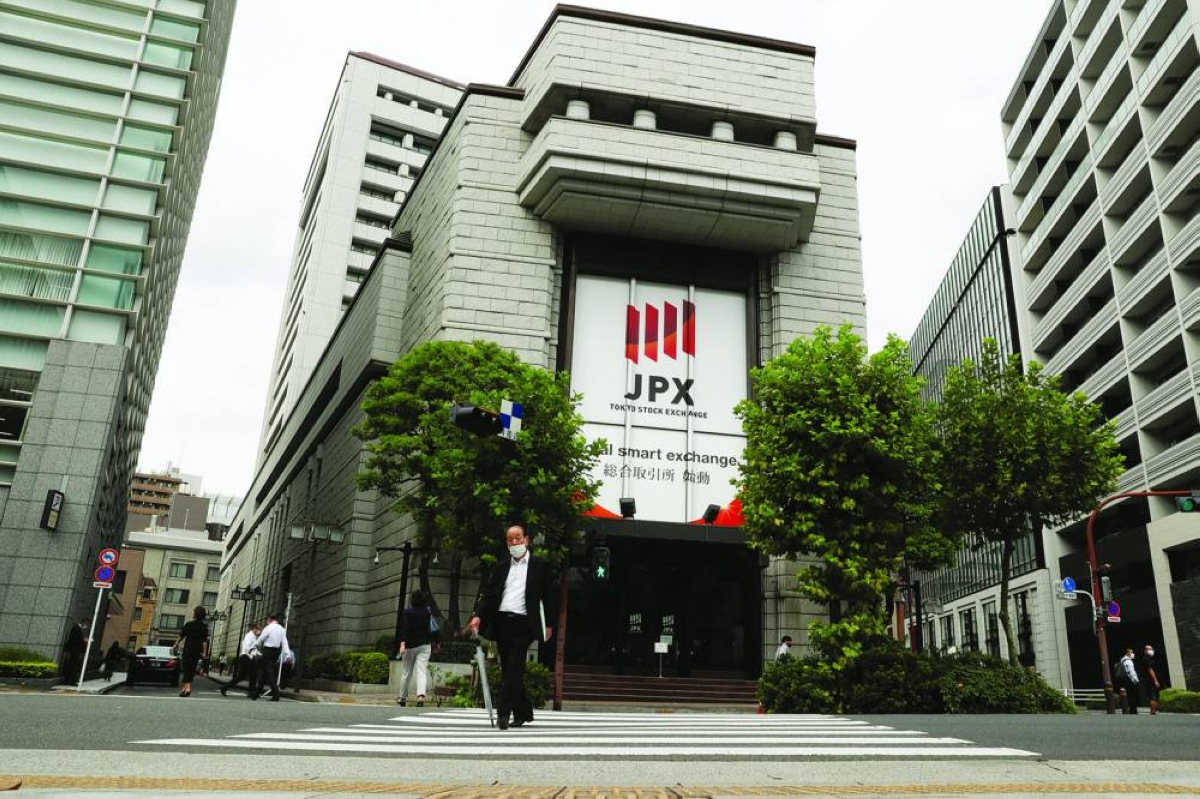
Asian stock markets followed Wall Street higher on Monday as investors reduced expectations of a Federal Reserve interest rate hike after data revealed job losses in the United States. The Nikkei 225 in Tokyo climbed 2.1% to 66,970.22 points, the Hang Seng Index in Hong Kong rose 1.1% to 25,937.49 points, and the Shanghai Composite in Shanghai increased 0.7% to 3,966.59 points. Tech companies experienced a surge in buying, with Japanese and Korean chipmakers leading the charge.
The positive sentiment was driven by the US Bureau of Labor Statistics, which reported that 23,000 jobs were lost in July. This figure, coupled with revised growth in May and June, suggested the world's largest economy was losing momentum. Traders welcomed the possibility that the Federal Reserve would postpone any rate hikes for now, with the probability of a September increase falling to 43% from 64% the previous week, according to Bloomberg.
Inflation data expected later in the week will serve as the next indicator for investors. The news bolstered Wall Street, with the S&P 500 reaching a new record high and the Nasdaq climbing more than one percent. This bullish trend also impacted Asian markets, with Tokyo's Nikkei index surging more than two percent thanks to strong performances from Tokyo Electron and Advantest. Seoul, Hong Kong, Taipei, Shanghai, Wellington, Mumbai, Bangkok, and Jakarta also saw gains.
While the report diminished the likelihood of an immediate Federal Reserve rate hike, National Australia Bank's Rodrigo Catril cautioned that it did not signal a definitive shift towards a more dovish stance. He noted that the report diminished the case that the labor market was exerting inflationary pressures but did not provide a clear green light for a softer monetary policy.
The report is unlikely to dissuade a September hike but highlights the importance of upcoming inflation data. The next consumer price index releases ahead of the Federal Open Market Committee meeting in September will be closely watched. DWS chief US economist Christian Scherrmann emphasized that the report delivered a clear dovish signal to central bankers, suggesting a slowdown in economic activity due to simultaneous decreases in labor demand and supply.
Meanwhile, crude prices continued to rise as Iran's Revolutionary Guards refused to reopen the Strait of Hormuz until the United States complied with their demands.
Written by urgent.news from Gulf Times Business's reporting — not their text. Machine-written — may contain errors; check the original before relying on it.