Anguish and hope: why Tibetan activist Lobga Rangzen set himself on fire in New York
No one knew what Lobga Rangzen was planning. Not the monk who was his friend of 30 years, not his niece in New York. The niece was watching the World Cup on TV in Queens when she heard from a friend that her uncle had “burned himself” in front of the United Nations in Manhattan. […]
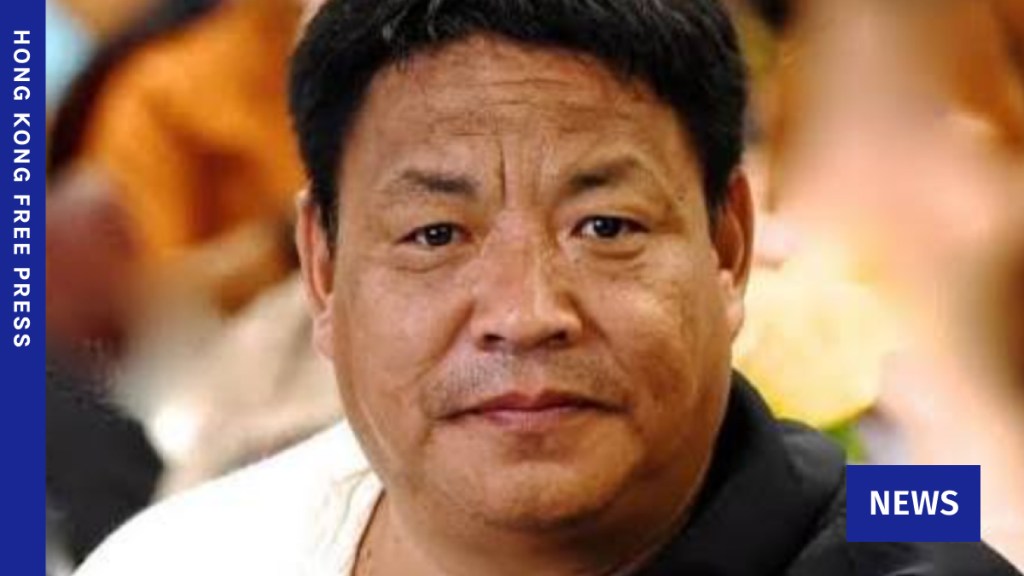
Tibetan activist Lobga Rangzen, 52, tragically took his own life by setting himself on fire in New York City on July 2, 2026. His death came as a shock to those who knew him, as he was a longtime advocate for Tibetan independence from China. Rangzen's niece, Tenzin Choekyi, first thought her uncle had suffered a minor accident but was soon engulfed by fear upon learning the truth.
Tibetan monks and activists gathered at the site of his self-immolation, a vigil held outside the United Nations headquarters, to mourn and honor his memory. This was not an isolated incident but a continuation of a long-standing tradition among Tibetan activists who have used self-immolation as a form of protest against China's rule in Tibet.
In the past 14 years, 170 monks and others have resorted to self-immolation in various countries, most notably China, as a desperate measure to draw attention to their cause. Beijing, the Chinese capital, has responded to these acts of defiance by tightening its grip on the region, enforcing an "ethnic unity" law that critics say will further undermine minority rights.
Rangzen, a devout Buddhist, had been preparing for his death for some time, having discussed with friends the importance of individual responsibility in the fight for Tibetan freedom. Despite his limited English skills and various jobs, he remained committed to the movement, driven by a deep-seated desire for an independent Tibet.
Written by urgent.news from Hong Kong Free Press's reporting — not their text. Machine-written — may contain errors; check the original before relying on it.
This story
This is one outlet's version. Read the fullest account.