Afghanistan’s gold rush upends lives and landscapes
KABUL, Aug 9 — In Afghanistan’s northeastern Badakhshan province, dozens of excavators operate day and night...
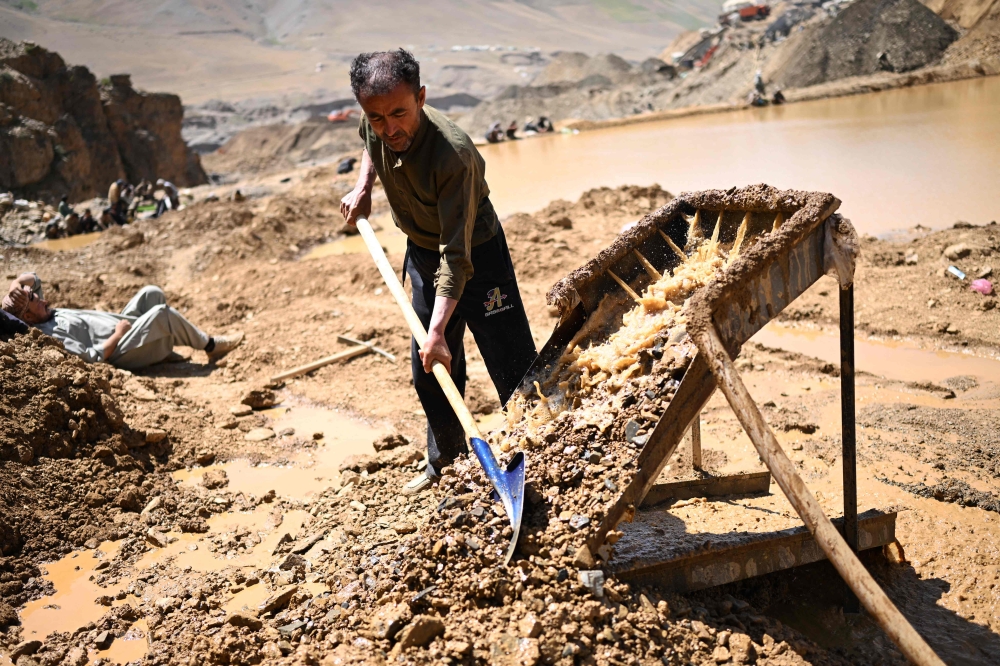
In Afghanistan's northeastern Badakhshan province, an extensive gold rush has transformed the landscape and upended the lives of villagers. Dozens of excavators work around the clock to extract gold from the mountains where locals and their livestock once freely wandered. Thousands of miners toil in the Shiwa area, located about 50 kilometers northeast of Faizabad provincial capital, extracting gold for investors across the nation.
Some residents have profited from the gold rush, but many later regret their decisions, such as farmer Muhammad Amin. He lamented that the river's water, which was once deep and clean, is now undrinkable and unsuitable for washing. The grass along the riverbank has vanished, and farming is no longer viable due to the wind and dust.
Amin received half of the $20,000 he agreed to lease his land to a mining firm, yet they failed to restore his fields after the work ceased. The Taliban authorities have expanded the mining sector since coming to power five years ago, aiming to tap into Afghanistan's vast underground resources to bolster state coffers. Abdul Mateen Rahimzai, the head of Badakhshan's mines department, reported that nearly 650 to 700 companies have been registered, with thousands of people employed manually.
The World Bank revealed that hundreds of mining contracts have been signed since 2021, with annual growth averaging 25 to 30 percent. While mining has temporarily halted in Amin's village, in Gulak-Dara valley, dozens of diggers continue to carve into the mountainside. Workers from across Afghanistan have flocked to the area due to scarce job opportunities.
With jobs scarce in Kabul as well, Mohammad Agha Khwaja Khail, a 21-year-old from Kabul, has worked in mining for five years, earning 10,000 Afghanis per month loading trucks. "It's better than anything else… There aren't many jobs in Kabul," he remarked, amid the noise of the diggers. Shafiullah Ehsas, a father of five who transported his excavator from Jalalabad to Badakhshan, explained that the mining work in Jalalabad hadn't started, making the move to Badakhshan his only option.
The Ministry of Mines and Petroleum has sought to regulate the industry, with spokesman Hamayoun Afghan stating that resources were previously extracted haphazardly without supervision during the previous government's rule. Gold mining in the north has intensified, including in neighboring Takhar province where an Afghan company operates alongside Chinese partners.
Fabrizio Foschini, a researcher at the Afghanistan Analysts Network, noted that during earlier decades of war, mining primarily benefited insurgent groups, including the Taliban, and local strongmen associated with corrupt government officials. Mining firms are taxed 20 grams of gold per hectare per month, or the equivalent in cash, regardless of their profits.
Written by urgent.news from Malay Mail's reporting — not their text. Machine-written — may contain errors; check the original before relying on it.