A blueprint for India’s next energy transition: to electrify industrial heat
India’s next phase of energy transition must focus on electrifying industrial heat; a coordinated approach involving innovative financing, skilled workers, demonstration projects and cluster-level planning can help scale the transition and strengthen manufacturing competitiveness
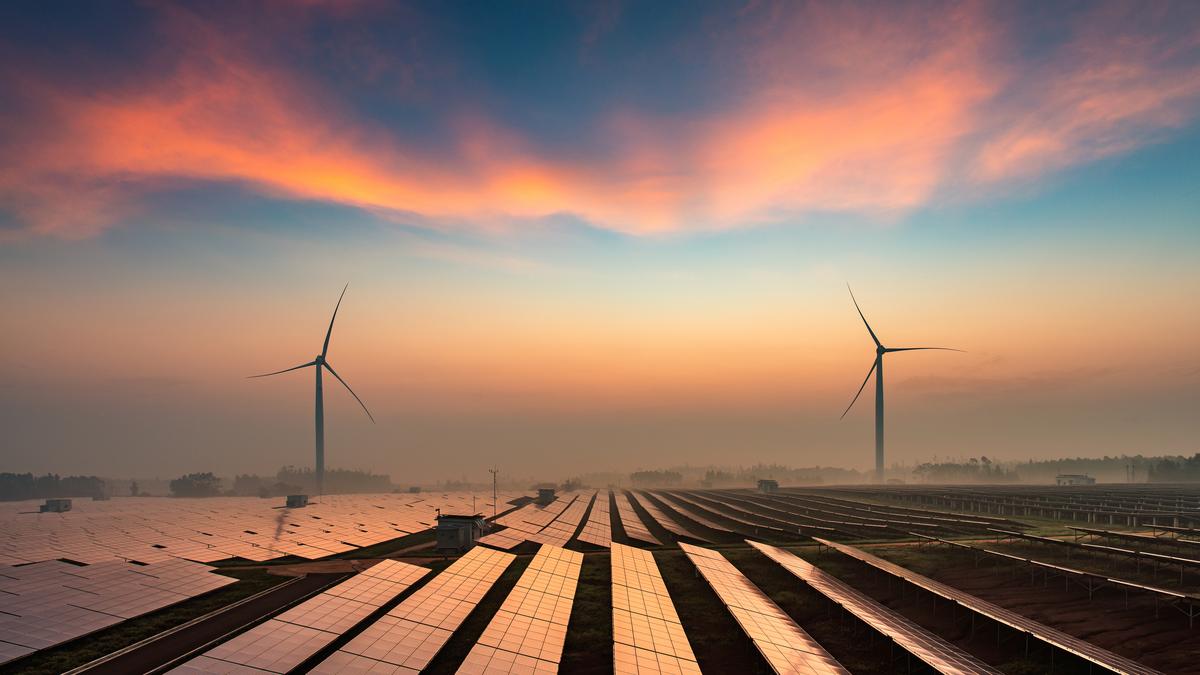
India's energy transition is currently moving towards renewable-powered electrification in major demand centers. This includes areas such as electric mobility, solar-powered agriculture, and the adoption of smart appliances in buildings. The next step in this process is the electrification of industrial heat, particularly in the country's small and medium-sized enterprises (MSMEs). This shift is crucial for enhancing manufacturing competitiveness, ensuring energy security, and promoting decarbonisation in India.
The rapid growth of solar photovoltaics in India has played a significant role in driving down solar tariffs by over 85% in the past decade. This achievement was made possible through a coordinated ecosystem consisting of supportive policies at both national and state levels, innovative financing options, competitive vendors, and a robust market infrastructure. Additionally, institutional mandates and sustained private sector investment have been instrumental in this success.
With the focus now shifting towards scaling industrial heat electrification, India must adopt a similar approach. This involves developing a comprehensive strategy to plan and execute the transition, taking into account the unique challenges and opportunities presented by the industrial sector. As the nation embarks on this new energy frontier, the lessons learned from the solar revolution will be invaluable in shaping a sustainable and prosperous future for India's industrial landscape.
Written by urgent.news from The Hindu - Sci-Tech's reporting — not their text. Machine-written — may contain errors; check the original before relying on it.