420 UK children reported explicit deepfakes of themselves in six months. The problem is getting worse
UK children reported 420 cases of explicit deepfakes in six months, surpassing the previous year's total as AI makes abusive imagery easier to create.
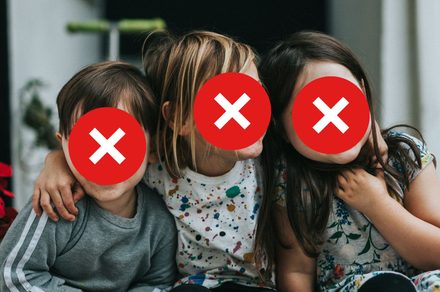
In the first six months of 2026, 420 children in the UK reported explicit AI-generated images of themselves, as reported by the online service Report Remove. This figure is higher than the 397 reports recorded throughout all of 2025. The rise in these reports highlights the growing issue of generative AI creating convincing fake images of real people, which can spread rapidly and be difficult to prevent.
Report Remove, a collaborative effort by the Internet Watch Foundation and the NSPCC, introduced a specific category for children to flag AI-generated material in response to the increasing number of manipulated images involving under-18s. The majority of these reports were deemed serious enough to meet the threshold for child sexual abuse material.
Dan Sexton, chief technology officer at the Internet Watch Foundation, emphasized the challenge of stopping ordinary photos from being manipulated online, particularly when the original image is not explicit. Sextortion, where perpetrators demand money or threaten to distribute manipulated images further, has also been reported.
Online safety experts advocate for stronger safeguards around AI image-generation tools. The National Crime Agency and the Internet Watch Foundation have advised parents to be cautious about posting identifiable pictures of children publicly, urging to limit easy access by strangers. Report Remove offers a platform for affected children to report images anonymously and seek assistance in removal.
However, the rapid advancement of AI tools capable of generating realistic images in seconds poses a growing risk, outpacing existing safeguards.
Written by urgent.news from Digital Trends's reporting — not their text. Machine-written — may contain errors; check the original before relying on it.