$4.4bn cleanup turns Ohio’s Fernald uranium site into wetlands and forest
The Fernald uranium plant in Ohio stopped production in 1989 after nearly four decades of operations. A $4.4 billion environmental cleanup followed, involving radioactive waste, contaminated soil and groundwater. The 1,050-acre site was eventually transformed into the Fernald Preserve, with restored wetlands, prairie and forest. A Visitors Center now documents the site’s history and cleanup.
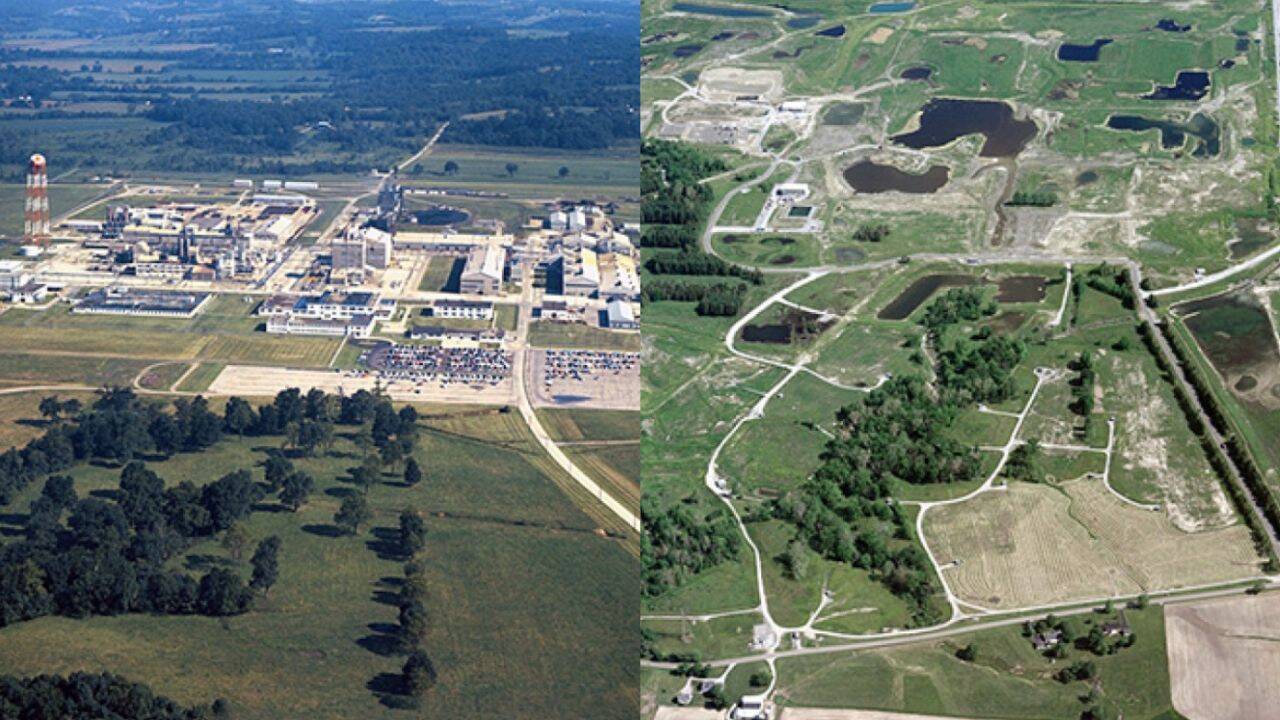
Once a hub of the United States’ nuclear weapons production, a site in Ohio has transformed into the Fernald Preserve, a sanctuary of wetlands, prairies, and forests. Now, visitors can explore the Visitors Center, which narrates the site's storied past while serving as an educational hub for community and school groups. The transformation journey began in 1989, 12 years before the projected completion date, and required a staggering $4.4 billion investment to remove radioactive waste, contaminated soil, waste pits, and groundwater, involving the demolition of 323 buildings and the treatment of a 225-acre plume of uranium contamination beneath the ground.
Today, the site, originally the Feed Materials Production Center, now hosts native trees, prairie grasses, and wetlands that provide habitats for wildlife. The restoration brought back the land's history, tracing back to Native American tribes who once inhabited the area. The site’s modern chapter includes a LEED-certified Visitors Center, built to blend with the landscape and history, offering a blend of environmental features and educational resources.
Written by urgent.news from Times of India's reporting — not their text. Machine-written — may contain errors; check the original before relying on it.