WOMEN’S DAY 1956-2026: A woman’s work is never done – and she knows it
Progress has been made in achieving equality and freedoms for women, but advancing these gains further requires constant effort and vigilance.
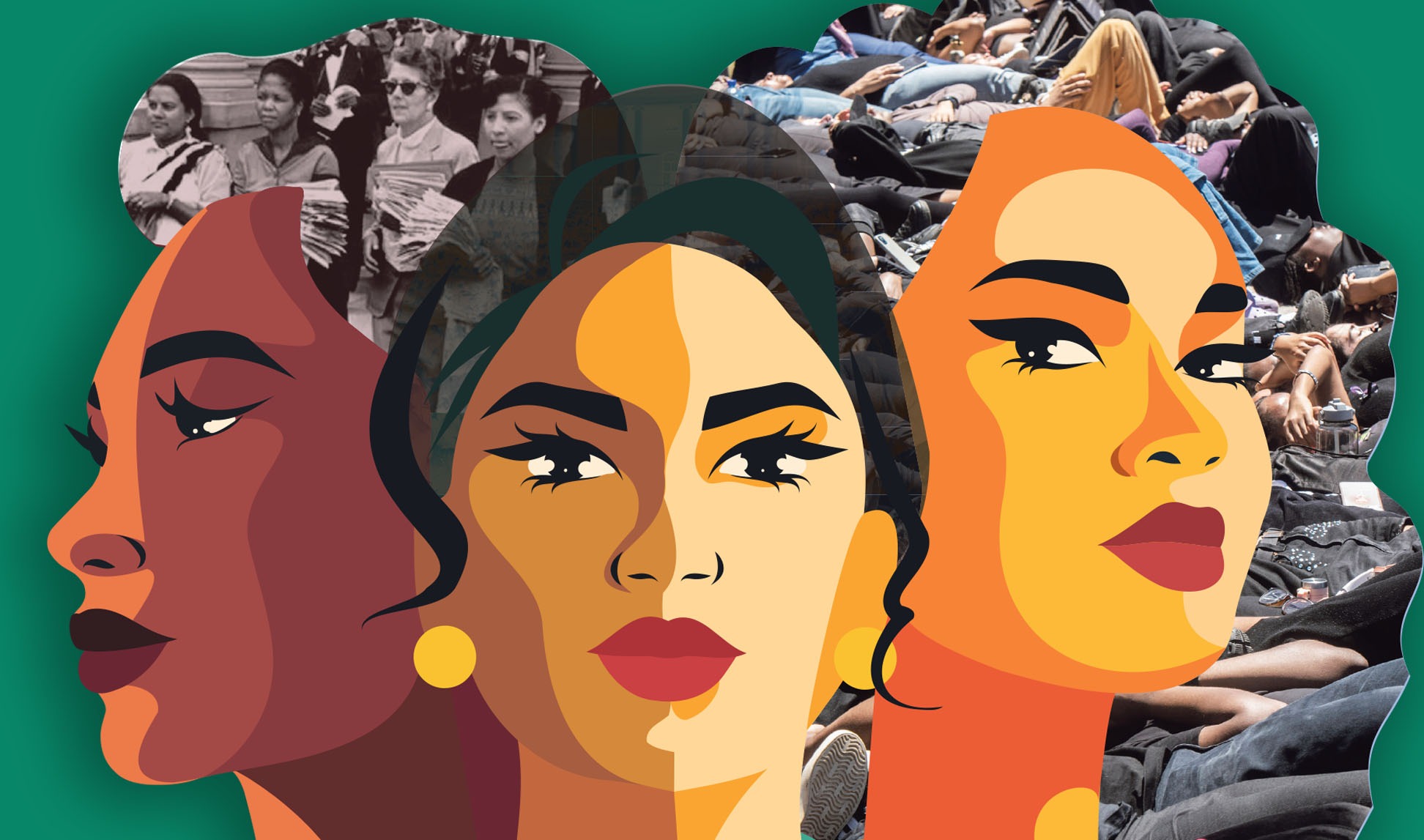
On 9 August 1956, South African women united to protest against apartheid pass laws that confined their movement and employment opportunities. Seventy years later, while the law has granted women many rights, the lived reality often falls short. Sibongile Tshabalala, chairperson of the Treatment Action Campaign, highlights that while women can own property and access healthcare, the absence of these rights in community settings renders legal gains nominal.
Tshabalala's activism began after her HIV diagnosis in 2000, a time when public clinics lacked antiretrovirals. Her journey underscores the gap between legal entitlement and real-world access.
Despite progress, women continue to face significant disparities in the workplace. The gender pay gap persists, with women earning 20.2% less hourly and 32.5% less monthly than men. This gap is exacerbated by women's higher rates of unemployment and their disproportionate share of unpaid care work. Dr Patience Nombeko Mbava, chairperson of the Financial and Fiscal Commission, points to the lack of women in managerial roles and leadership positions as a key factor in sustaining this inequality.
Women are often relegated to semi-skilled roles and are underrepresented in boardrooms and corporate leadership.
Deborah Mutemwa-Tumbo, cofounder of Tumbo Scott, a high-profile all-female law firm, notes that while formal legal barriers have diminished, informal biases persist. Access to capital, professional networks, and decision-making spaces remain unevenly distributed, directly impacting women's earning potential. Despite the strides made in representation, with more women becoming advocates and lawyers, their retention in leadership roles remains a challenge.
The National Budget for 2026/27 has allocated funds to initiatives aimed at improving gender responsiveness in budgeting, but the true test lies in translating these policies into tangible economic benefits for women.
Written by urgent.news from Daily Maverick's reporting — not their text. Machine-written — may contain errors; check the original before relying on it.