Why Beijing struggles to win Indian hearts and minds despite diplomatic thaw
Though the relationship between the Chinese and Indian governments has been thawing, Beijing has yet to win over the Indian public as it lacked a long-term strategy and communication channels, according to Chinese researchers. Beijing needed to find common ground by expanding its bottom-up strategies as “a matter of urgency”, Zhou Qingan, dean of Tsinghua University’s school of journalism, and Li…
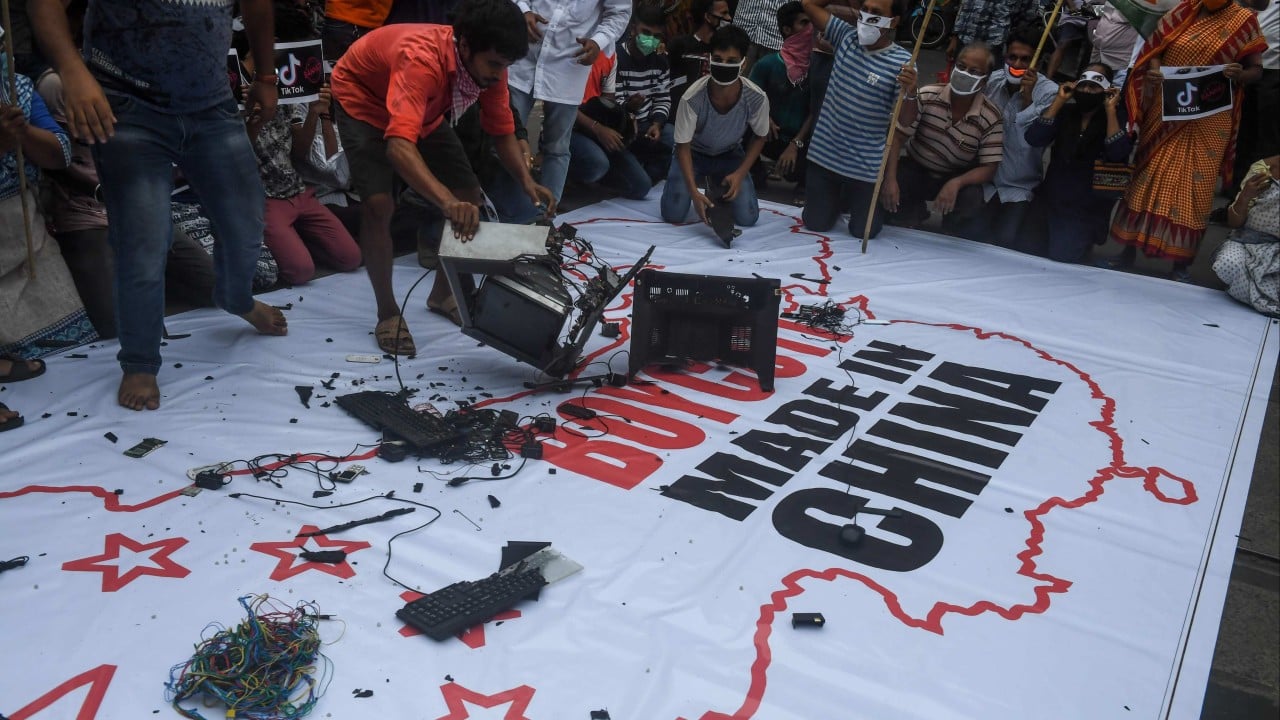
Despite recent diplomatic improvements between China and India, Beijing continues to struggle in winning over Indian public opinion, according to Chinese researchers Zhou Qingan and Li Yiming. The scholars argue that Beijing's lack of a long-term strategy and effective communication channels has hampered its efforts to build trust with the Indian people. They contend that China's current approach, which relies heavily on official channels, is insufficient and requires urgent reform.
The authors point out a significant cognitive gap between the two nations, marked by prevalent anti-India sentiment on Chinese social media and concerns about China's security threat among Indian youth. This divide is further exacerbated by India's vast media landscape, comprising over 140,000 print publications, 900 TV channels in 189 languages, and deep regional differences.
The complexity of this ecosystem, combined with a growing appetite for nationalist content, presents additional challenges for China's outreach efforts.
Visa restrictions imposed on Chinese state media reporters in India in 2023, following the 2020 Galwan Valley clash, greatly hindered Beijing's ability to engage with the Indian public. However, recent diplomatic engagements have seen a thaw in relations, with both countries restoring tourist visas, direct flights, and high-level talks. Indian Prime Minister Narendra Modi's recent visit to China highlighted the importance of border issues in their relationship.
The scholars recommend that China should prioritize people-to-people exchanges, partnering with moderate Indian media outlets, cultivating local opinion leaders, and improving content quality on social media. They suggest establishing a comprehensive communication system to streamline agenda-setting, information release, and public opinion monitoring.
Furthermore, China should focus on shared social issues to foster mutual empathy rooted in common livelihood concerns and should emphasize narratives that highlight the Global South's shared identity, aiming to show that China's rise does not threaten India's interests.
Written by urgent.news from Reuters Business via SCMP's reporting — not their text. Machine-written — may contain errors; check the original before relying on it.
This story
This is one outlet's version. Read the fullest account.