When ‘staying strong’ starts hurting your health
“Don’t cry.” “Stay strong.” “Move on.” These familiar words are often meant to comfort us. Yet when strength becomes a habit of hiding sadness, anger or fear, the feelings may not simply vanish. They can linger beneath the surface, while the body continues to carry the strain.
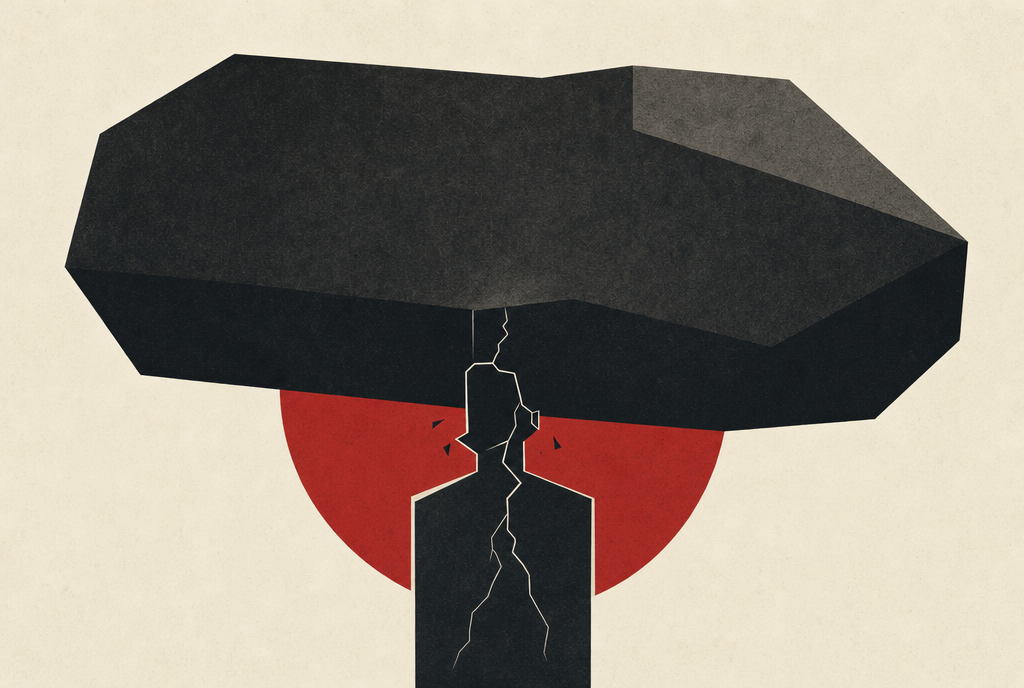
"Don't cry." "Stay strong." "Move on." These comforting phrases are often spoken to provide solace. However, when strength transforms into a habit of concealing sorrow, rage, or fear, those emotions may not disappear discreetly. Instead, they may remain hidden beneath the surface, while the body continues to bear the burden. Suppressing emotion involves consciously pushing a feeling away, masking it with a smile, keeping busy, or refusing to acknowledge its presence.
While there are moments when maintaining a composed demeanor is essential, the trouble arises when suppressing emotions becomes a habitual behavior. A 12-year-long study in the United States involving nearly 730 adults revealed that individuals who frequently suppressed their emotions faced a 35% higher risk of dying from any cause during the course of the research.
Additionally, cancer deaths were more prevalent among those who suppressed their emotions more often. However, researchers have discovered varying patterns of emotional expression across different cultures, highlighting the influence of society and context on how emotions are displayed. The body may also provide clues. Studies conducted under stressful conditions have demonstrated that individuals instructed to suppress their emotions may experience heightened physical stress responses, such as increased heart rates and elevated blood pressure.
Even when a person appears entirely composed, their body could still be acting as though it is facing a threat. This persistent strain could gradually take its toll on both physical and mental health. The mind can be adversely affected too. Habitually bottling up feelings has been associated with heightened anxiety, low mood, and overall diminished well-being.
It does not imply that every emotion must be openly expressed to everyone. Healthy expression is not synonymous with uncontrolled expression; it entails granting feelings a safe space to manifest. This outlet can be surprisingly uncomplicated. A well-known study involving students showed that writing about distressing experiences for merely 15 minutes daily over four days led to approximately half the number of visits to the student health center in the following six months compared to students who wrote about mundane topics.
In everyday life, the message is clear: feeling something is not a sign of weakness. Reach out to someone you trust, write privately in a journal, seek professional assistance when necessary, or simply take a moment to name what you are feeling in a safe manner. A brave front can help us navigate through challenging moments. However, constantly donning that brave face might have an underlying cost.
Sometimes, genuine resilience may begin not by silencing an emotion but by finally allowing it to be acknowledged.
Written by urgent.news from Daily Star BD Health's reporting — not their text. Machine-written — may contain errors; check the original before relying on it.