When German Catholics and Protestants share a church
Each year, dozens of churches are decommissioned, demolished or repurposed in Germany. But there is a new, unique development.
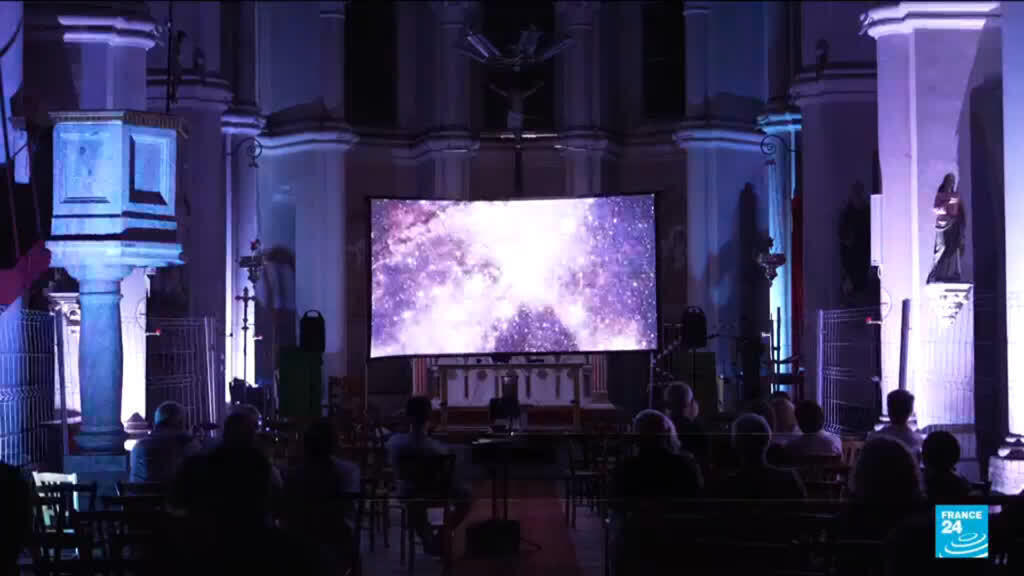
In the Neuostheim district of Mannheim, a 1950s Catholic church named St. Pius stands out due to its unique practice of hosting both Catholic and Protestant services within the same space. This arrangement, which began in the early 1970s, was initially a temporary solution to accommodate the Protestant St. Thomas Church after it suffered extensive water damage in 2009, rendering it irreparable. Over time, the shared space evolved into a genuine ecumenical friendship between the two denominations.
The concept of shared churches, known as Simultankirchen in German, is not uncommon in Germany, with 65 such churches existing across the country. These shared churches were mandated by secular rulers following the Reformation and the subsequent division of the Church. One of the most notable examples is Altenberg Cathedral near Cologne and St. Peter's Protestant Cathedral in Bautzen, Saxony.
In recent years, the trend of shared churches has gained momentum in ordinary parish communities, particularly in Germany's most populous state, North Rhine-Westphalia. A practical guide titled "What If We All Moved In Together?" presents examples from various dioceses, highlighting the acceleration in the reduction of church buildings and the need for shared spaces. The guide emphasizes the financial constraints and shrinking church membership as key factors driving this trend.
Despite the apparent success of the shared space at St. Pius in Mannheim, the congregation acknowledges that friction and unresolved questions still exist. The church has undergone extensive renovation and redesign, with a new altar crafted from a combination of materials from both denominations symbolizing their unity. However, legal arrangements continue to govern the use of the shared space, such as the baptismal font being located within the Catholic church and the parish hall belonging to the Protestant congregation.
The experience at St. Pius in Mannheim serves as a testament to the growing trend of ecumenical cooperation among German Christian denominations. As church buildings become increasingly scarce and financial constraints loom, the shared use of spaces offers a practical solution that fosters unity among Catholics and Protestants.
Written by urgent.news from DW News's reporting — not their text. Machine-written — may contain errors; check the original before relying on it.