When droopy eyelids are more than a cosmetic concern
As ptosis may affect vision and comfort, sudden symptoms can signal a medical emergency.
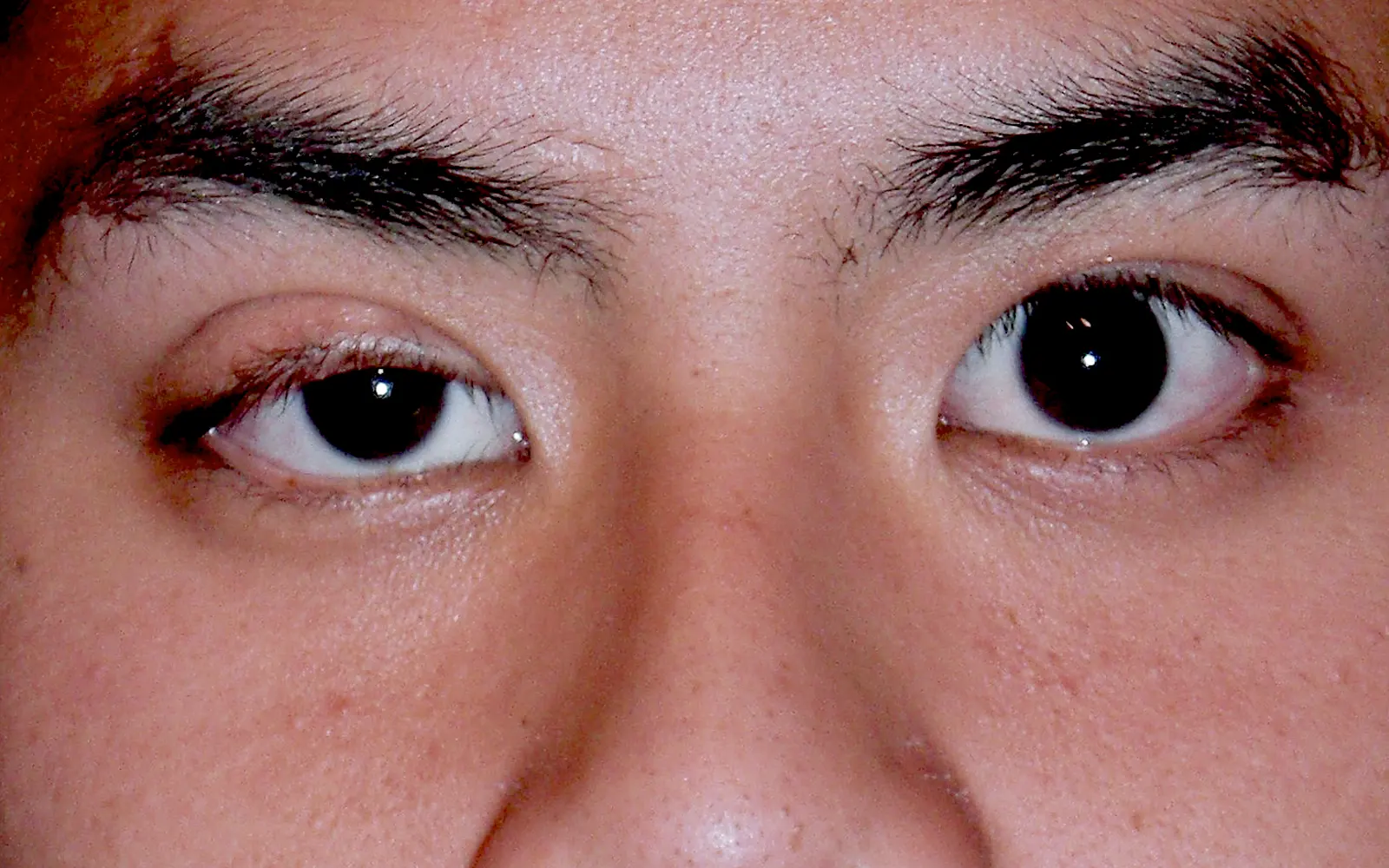
Ptosis, commonly known as droopy eyelid, is a condition that extends beyond mere cosmetic concerns, potentially impacting vision, comfort, and daily functionality. Despite popular belief, the appearance of drooping or uneven eyelids may signify more than just aesthetics. Consultant ophthalmologist Dr Nazila Ahmad Azli highlights that ptosis accounts for approximately 8-12% of eyelid cases she encounters in her clinical practice.
The primary cause of ptosis involves the malfunctioning of the eyelid-lifting muscle or the nerve that controls it. This condition can manifest in one or both eyes, emerging either congenitally or developing later in life. There are two primary types of ptosis: congenital and acquired. Congenital ptosis typically stems from an incomplete development of the muscle responsible for lifting the eyelid.
Conversely, acquired ptosis can be linked to various factors, including aging, injury, previous eye surgery, prolonged contact lens usage, frequent eye rubbing, or underlying medical conditions that affect nerves or muscles.
It is crucial to differentiate between true ptosis and pseudoptosis—terms used to describe naturally hooded eyes or excess eyelid skin that creates the illusion of drooping without altering the eyelid's actual position. Misidentifying the condition can lead to inappropriate treatment approaches. While both true ptosis and blepharoplasty (cosmetic eyelid surgery) may enhance eyelid appearance, ptosis surgery specifically aims to restore the height and lifting function of the upper eyelid, targeting the affected muscle or supporting structures.
Assessment is paramount before contemplating any surgical intervention. Misdiagnosis or inadequate evaluation may result in the recurrence of the condition or an unsatisfactory outcome. Urgent medical attention is warranted if ptosis develops suddenly, as it may indicate a serious underlying issue such as a brain aneurysm, stroke, or carotid artery dissection. Other potential causes include nerve damage and neuromuscular disorders.
Diagnosis involves a comprehensive medical history and clinical examination, including measuring the eyelid position, assessing the muscle's strength, evaluating the pupils and eye movements, and performing visual-field testing to determine the extent of the condition on visual function and daily activities. Based on the diagnosis and severity, treatment options vary.
Mild cases may necessitate monitoring, whereas more significant ptosis may require corrective surgery to enhance eyelid height, restore visual function, and improve symmetry. Individualised treatment plans are essential due to the wide variability in ptosis presentations among individuals.
While ptosis may be attributed to aging or perceived as a cosmetic issue, it should not be taken lightly, particularly when it begins to interfere with vision or daily life. Neglecting ptosis can lead to visual impairment, chronic discomfort, and potentially mask underlying medical conditions. Dr. Nazila emphasizes the importance of a proper eye examination to ensure appropriate management and prevent potential complications.
Written by urgent.news from Free Malaysia Today's reporting — not their text. Machine-written — may contain errors; check the original before relying on it.