What Is ‘Biblical Eating’? Inside TikTok’s Latest Whole-Food Obsession
“Biblical eating” is a social media trend that involves making food choices based on scripture. cihatatceken/Getty “Biblical eating” emphasizes foods mentioned in the Bible and has become a popular nutrition trend on social media. Experts say the diet includes many healthy foods, but there’s no evidence that it delivers all of the health benefits some influencers claim. Experts caution against…
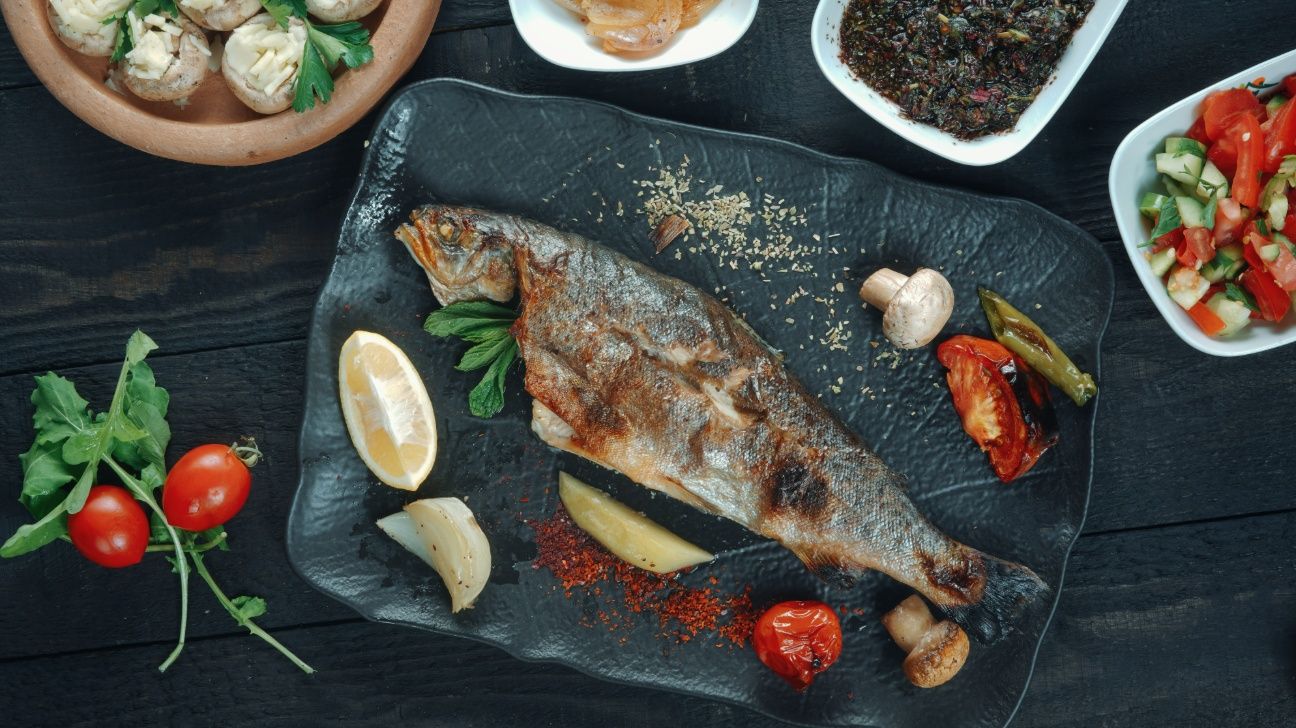
The "Biblical eating" trend on social media involves making food choices based on biblical scripture, with influencers encouraging followers to consume foods mentioned in the Bible. This diet, also known as the "Bible diet," primarily consists of nutrient-rich whole foods, such as raw milk, lamb, beef, pomegranate, bread, goat meat, figs, fish, raw honey, butter, salt, olive oil, and more.
While many of these foods can be part of a healthy diet, experts warn that not all health claims surrounding the diet are supported by evidence.
Pros of the Biblical diet include its emphasis on whole, minimally processed foods and avoidance of ultra-processed foods, which aligns with the Mediterranean diet. Experts agree that focusing on whole foods and limiting processed foods is generally a healthier approach than the standard American diet. Additionally, the faith-based aspect of the diet may improve adherence, mindfulness, and intentionality around eating, potentially leading to sustainable habits in some individuals.
However, critics caution against relying on unqualified influencers for nutrition advice and emphasize the importance of seeking guidance from qualified healthcare professionals. Some versions of the diet may become overly restrictive, excluding nutritious foods, or promote unhealthy relationships with food and body image. Furthermore, the lack of scientific research on "Biblical eating" makes it difficult to assess its long-term effectiveness and potential risks.
Ultimately, the healthiest eating pattern is one that is flexible, sustainable, and provides all the necessary nutrients for the body while fitting various cultures and lifestyles, without causing guilt or anxiety about food choices.
Written by urgent.news from Healthline News's reporting — not their text. Machine-written — may contain errors; check the original before relying on it.