Environmental policy: Dräger hopes for the federal government to ban PFAS
So-called eternal chemicals are highly controversial. However, industry relies on these substances. What could a solution look like?
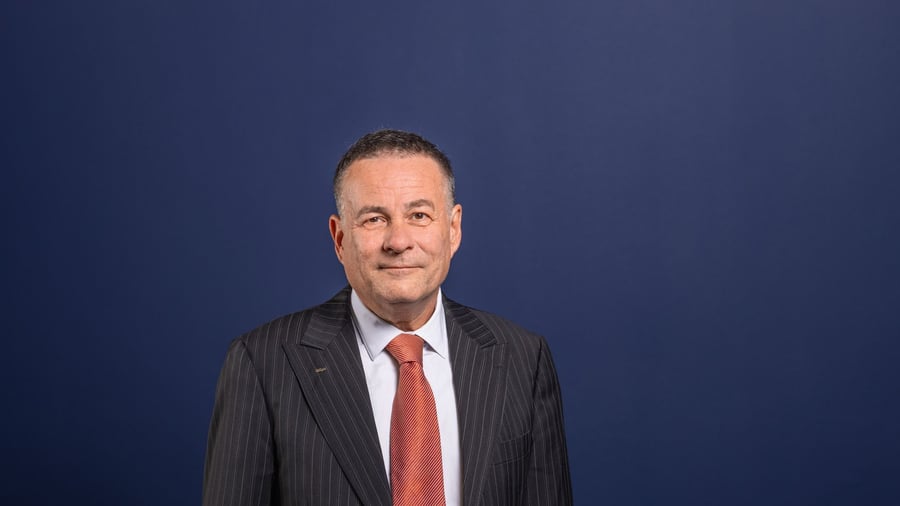
In the debate about a far-reaching PFAS ban at EU level, Drägerwerk CEO Stefan Dräger is waiting for the German federal government to take action. "The federal government could still intervene and say that we have now made a political assessment of the social impacts and we want to change the proposal." He is waiting for an initiative from the government to save the German industrial location.
PFAS stands for per- and polyfluorinated alkyl substances. These are a group of industrially produced chemicals that are water, grease, and dirt-repellent. More than 10,000 different compounds are known. The substances do not break down in the environment and in the body, or hardly at all, and are therefore also called eternal chemicals.
There are indications that certain PFAS are harmful to health. "The discussed PFAS regulation is an existential threat, not just for Dräger," said the CEO of the company. He advocates for the industry to be allowed to continue using particularly useful substances - provided they are non-toxic and not water-soluble. As a prerequisite, production, use, and disposal would have to be controlled.
PFAS are very persistent and do not belong in the environment, but not all of them are dangerous. Dräger rejects the term eternal chemicals, according to his own statement. Environmental activists use the formulation to sow discontent. Assessment to be completed by the end of 2026 PFAS are already partially regulated internationally, at EU level, and nationally.
In the EU, a far-reaching restriction procedure has been ongoing since 2023, initiated by authorities from five European countries - including Germany. Several variants are being discussed. In the meantime, the option of a total ban is considered unlikely to be implementable. The assessment process is to be completed by the end of the year.
Dräger criticized that the initiative, also from Germany, is not based on a resolution by the Bundestag. It therefore lacks legitimacy. Dräger (63) has been leading the family business, founded in Lübeck in 1889, for the fifth generation. Last year, the listed company employed more than 16,000 employees and achieved sales of approximately €3.5 billion. The family Dräger holds the majority of the common shares.
Translated by urgent.news. Machine-written — may contain errors; check the original before relying on it.