Towards nutritional literacy: navigating food labels, social media feeds and traditional wisdom to arrive at better diets
As consumers, we need to move beyond simplified narratives that classify every food as either ‘clean’ or ‘toxic’. Instead, we should understand what processing means, learn how to interpret labels, appreciate portion sizes, and focus on the quality of our overall eating pattern
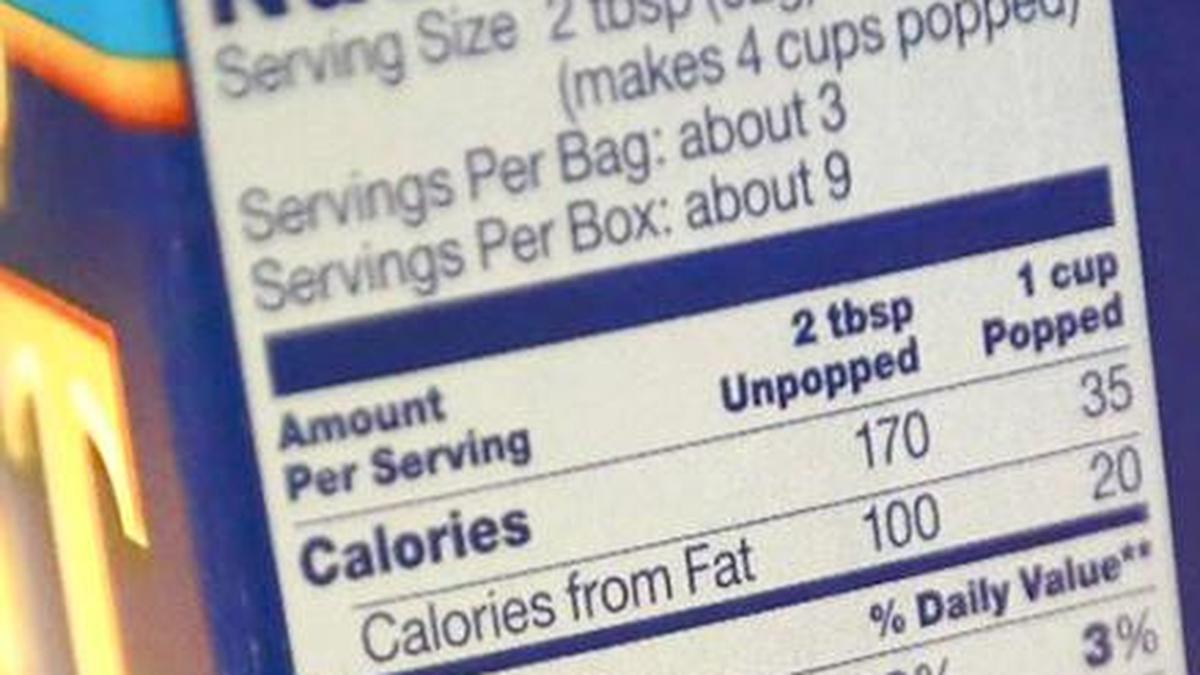
Supermarkets today display food labels that convey health-related information such as natural, clean, high protein, no added sugar, low fat, organic, fortified, and gut-friendly. This reflects the increasing consumer demand for knowledge about what they consume. Social media is also saturated with advice against processed food and promoting a 'clean' diet. Consumers are therefore faced with conflicting information.
While food companies are vying to market their products as healthier, influencers often paint processed food as the culprit behind lifestyle diseases. However, the reality in nutrition is more complex. Factors such as rising incomes, urban lifestyles, greater health awareness, and increasing rates of obesity and diabetes have led consumers to question the ingredients in their food.
Regulators are also becoming more vigilant about product claims, ingredient transparency, and food labeling. This is beneficial because well-informed consumers make better choices. But, increased awareness should not breed unnecessary fear.
Mineral absorption can be hindered by anti-nutrient factors such as phytates when consumed raw. Pasturisation, boiling, and cooking can reduce food-borne microbial contaminants. Texture modification can also improve palatability for specific groups of people.
The term 'processed' does not necessarily imply unhealthy food. Humans have been processing food for centuries, and these methods can enhance safety, shelf life, digestibility, and even improve nutrient availability. For example, germinating pulses increases their Vitamin C content, and fermentation can reduce anti-nutrients that inhibit mineral absorption.
However, food processing exists on a spectrum. On one end are minimally-processed foods like washed vegetables, frozen peas, roasted nuts, or plain curd. On the other end are highly processed foods with multiple added ingredients for taste, texture, and shelf life. Thus, the term 'processed' alone does not provide any indication of a food's healthiness.
Consumers often ask whether they should avoid processed foods altogether. The answer is to differentiate between various processed foods. A packet of plain oats, whole wheat flour, or coffee are all processed. Instead of solely focusing on the processing aspect, it is essential to evaluate the nutritional quality of a food. Consider factors such as sugar content, sodium levels, protein, fibre, essential nutrients, frequency of consumption, and the role it plays in your overall diet.
Food labels often use terms like 'no added sugar', 'natural', 'clean label', or 'preservative-free' to create a 'health halo'. A product may appear healthy based on one positive claim, while other nutritional aspects may not be fully understood. Rapidly evolving food innovation and the response of manufacturers to consumer demand for healthier alternatives are beneficial. Transparent communication builds trust, while clear regulations encourage innovative science-backed products.
However, consumers must remember that a single health claim does not determine whether a food is 'good' or 'bad'. Always read beyond the front-of-pack message to develop a healthy food understanding. While traditional cooking is romanticised, it is crucial to recognise the hidden labor often performed by women. Today, convenient food options have made meal preparation more accessible and democratised, enabling more people to share the responsibility of meal preparation.
Written by urgent.news from The Hindu Health's reporting — not their text. Machine-written — may contain errors; check the original before relying on it.