The rise of fashion slop: How algorithms are now shaping what we wear
Fast fashion and mall brands used to look to the runways for inspiration. Now, much of their output has been run through an algorithm.
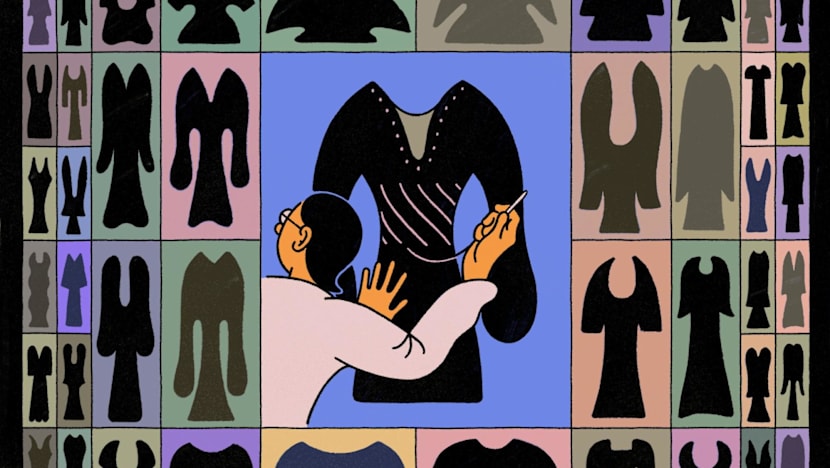
Fast fashion and big box brands once looked to fashion runways for inspiration. Today, many of their products are generated by algorithms that analyze customers' social media activity, internet searches, and celebrity fashion choices. One such algorithm-driven company is Edikted, popular among teens, which uses customer data to create 300 styles each month - all produced cheaply in China.
The success of this model has driven fast-fashion giant Shein to attempt an initial public offering at an estimated US$40 billion valuation, leading it to acquire the popular millennial brand Everlane.
The rise of algorithmic design and the decline of independent brands represent the latest evolution of the financialization of fashion, prioritizing money over art and craftsmanship. This trend has been ongoing for the past 40 years, gradually eroding creative design across all price ranges. Fashion once thrived on eccentric, visionary designers pushing boundaries, but now it has become homogenized, with corporations dominating over individual designers.
During the pre-social media era, designers' unique personalities often influenced their collections, creating memorable moments like John Galliano's "homeless chic" couture or Alexander McQueen's controversial Highland Rape show. Visionary designers like Halston and Karl Lagerfeld, or Rei Kawakubo of Comme des Garçons, challenged traditional ideas of beauty and fashion.
However, modern algorithms have transformed brands into mere commodities, lacking the individuality and creativity that once made fashion exciting and groundbreaking.
In the 1980s, fashion began its shift towards corporate dominance, with private equity firms acquiring brands and implementing cost-cutting measures to maximize profits. The trend accelerated in the aughts, as conglomerates competed to command the highest share prices. This business-focused approach to fashion has led to the decline of creative visionaries and the rise of homogenous, generic products.
The examples of Everlane, APC, and APC demonstrate how algorithms have reshaped the fashion industry, often resulting in loss of identity and plummeting sales. As brands consolidate and lose their unique perspectives, consumers increasingly seek out vintage or second-hand options.
Written by urgent.news from Channel News Asia's reporting — not their text. Machine-written — may contain errors; check the original before relying on it.