The poet who is looking at Sanskrit from a contemporary lens
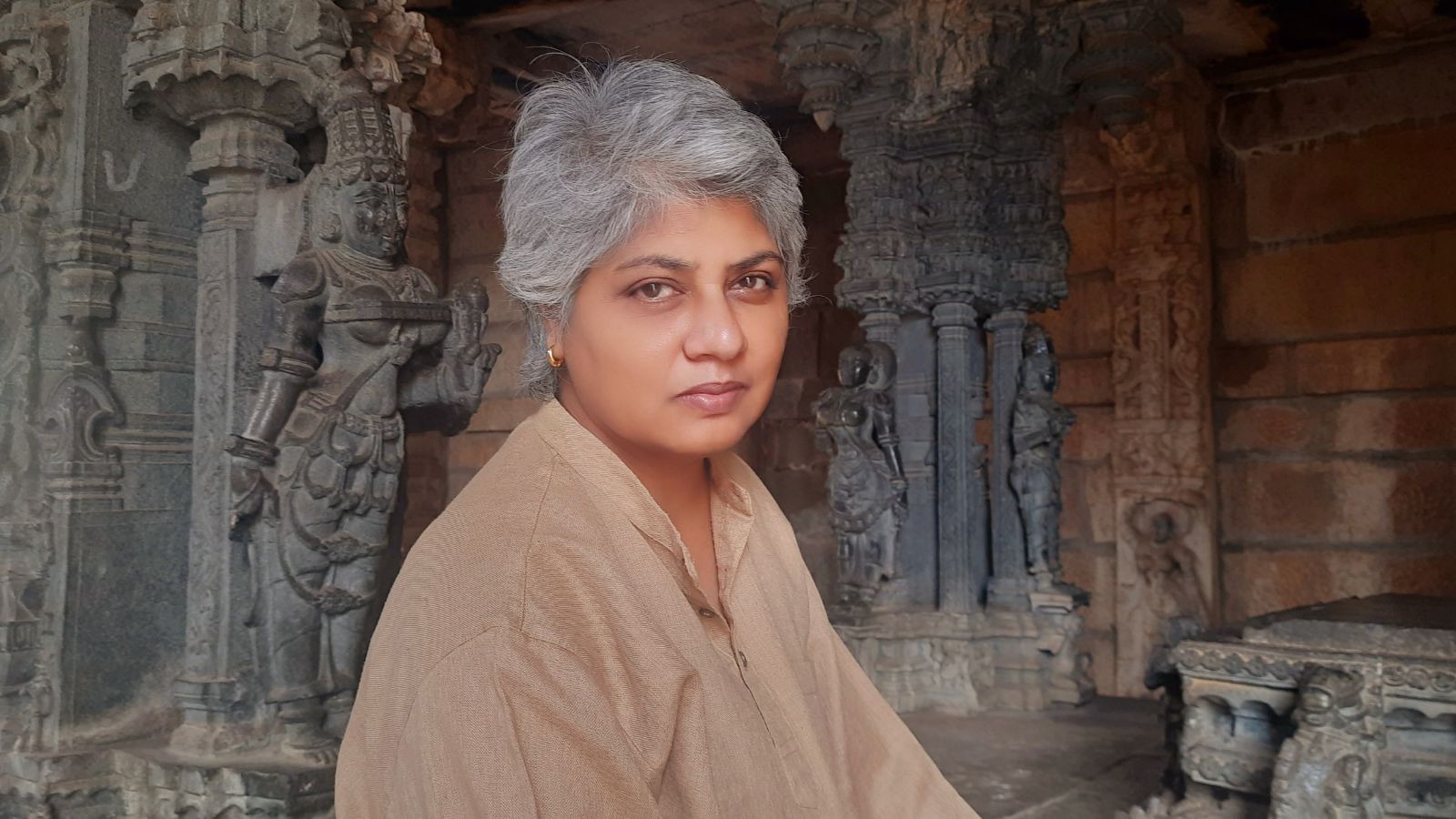
When Mani Rao browses a bookstore, she often spots her own English translations of Sanskrit classics on the religion shelf. This both amuses and mildly annoys her. Rao believes her translations aim to reintroduce these works to literature, rather than keeping them as sacred texts. She notes that people enjoy reading Homer's "Odyssey" without perceiving it as a religious work, as it features gods and humans interacting.
Rao will speak on August 9th at the Pune International Centre, as part of a session titled "What Words Hold: The Subtleties of Poetry," organized with The Word Bookshop. She intends to discuss how the reverence surrounding Sanskrit texts can prevent readers from engaging with them as literature. Placing a book on a pedestal hinders one's ability to interact with it on equal terms, she argues, making it foolish and dangerous.
Rao asserts that Sanskrit classical texts are our global legacy and emphasizes that we, as Indians, are inheritors of this unmatched heritage. However, she points out that many classical texts, such as the "Bhagavad Gita," the works of Kalidasa and Bhasa, and the "Saundarya Lahari," remain read by a limited audience. Rao attributes this to the challenge of Sanskrit and the scarcity of translations catering to contemporary readers.
She translates the "Bhagavad Gita" as "God's Song." Having studied Sanskrit in school, where it was part of the academic marking system until 1982, Rao's interest in ancient Indian thought resurfaced around 2005, when she turned 40. She discovered, upon reading the "Bhagavad Gita" in full, that it was more engaging and full of wordplay than she had anticipated.
This realization led her to return to Sanskrit studies and eventually earn a PhD in religious studies, focusing on mantras. Since then, Rao has devoted her efforts to translating Sanskrit texts, making them accessible to readers who might otherwise miss them. She emphasizes the unique opportunity India has to access thousands of years of refined thought, much of which is contained in ancient texts, and stresses the importance of reading them.
Written by urgent.news from The Indian Express's reporting — not their text. Machine-written — may contain errors; check the original before relying on it.