The future of warfare? (from my email)
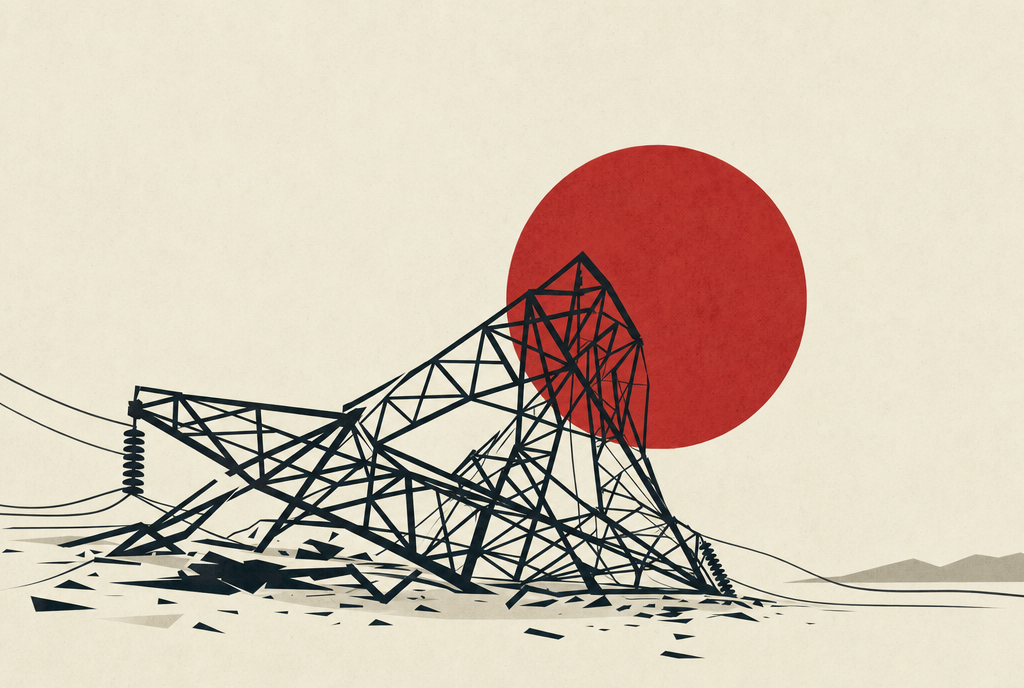
As weapon systems increase in effectiveness, they will generally target one another rather than humans. Lower loss of life will ease conflict entry and hinder exit. Warfare will veer further from industrial competition into techno-industrial; the current appearance of parity between low tech and advanced actors reflects near zero deployment of advanced systems. As these […] The post The future of…
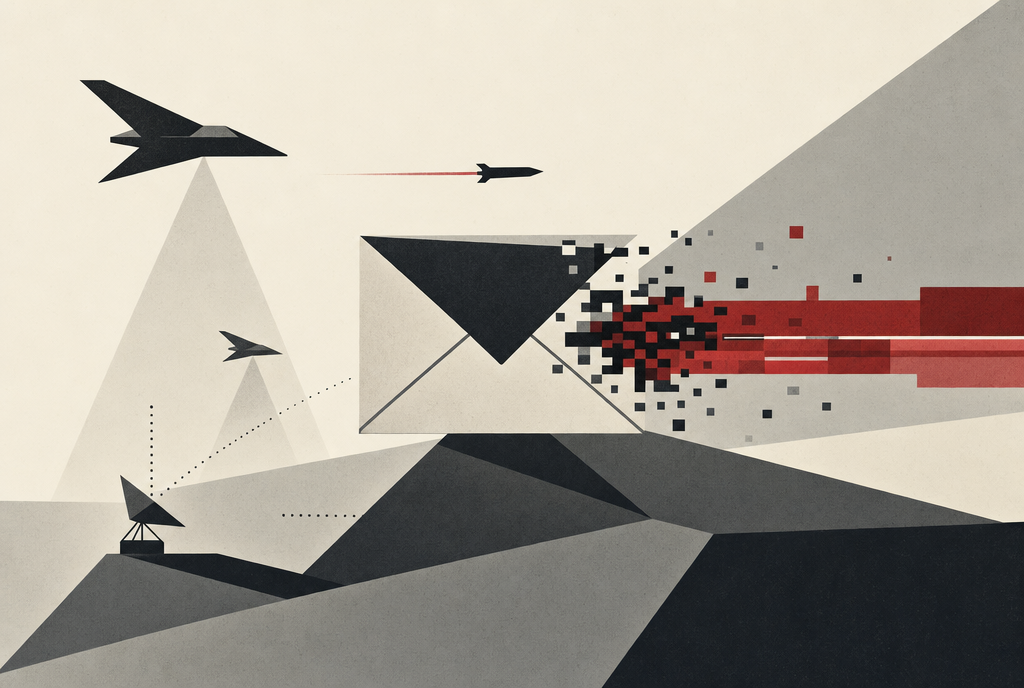
The future of warfare, as predicted by an anonymous reader, may shift away from human-centric conflicts and towards targeting weapon systems themselves. This change is expected to reduce the loss of life, making it easier to enter conflicts but also to exit them. Warfare is anticipated to transition from an industrial competition to a techno-industrial landscape.
Currently, the parity between low-tech and advanced actors is due to the near-zero deployment of advanced systems. As these advanced systems become more widespread, their military advantages will become evident.
The development of advanced ecosystems, which combine human capital, techno-industrial capacity, and inputs, will become crucial. This will likely result in the formation of blocs that can effectively leverage these resources. The logistics in this new warfare scenario may become more contested, altering the incentives around geographic size. Consequently, the value of inputs will increase.
Given these factors, blocs are likely to engage in near-constant warfare of varying intensities. The composition of these blocs will be driven by necessity and may exhibit a higher degree of fluidity. This prediction is based on a comment from an anonymous source.
Written by urgent.news from Marginal Revolution's reporting — not their text. Machine-written — may contain errors; check the original before relying on it.