The Color Recession May Be Permanent
Consumers are so afraid of getting colors wrong, they don’t use them at all.
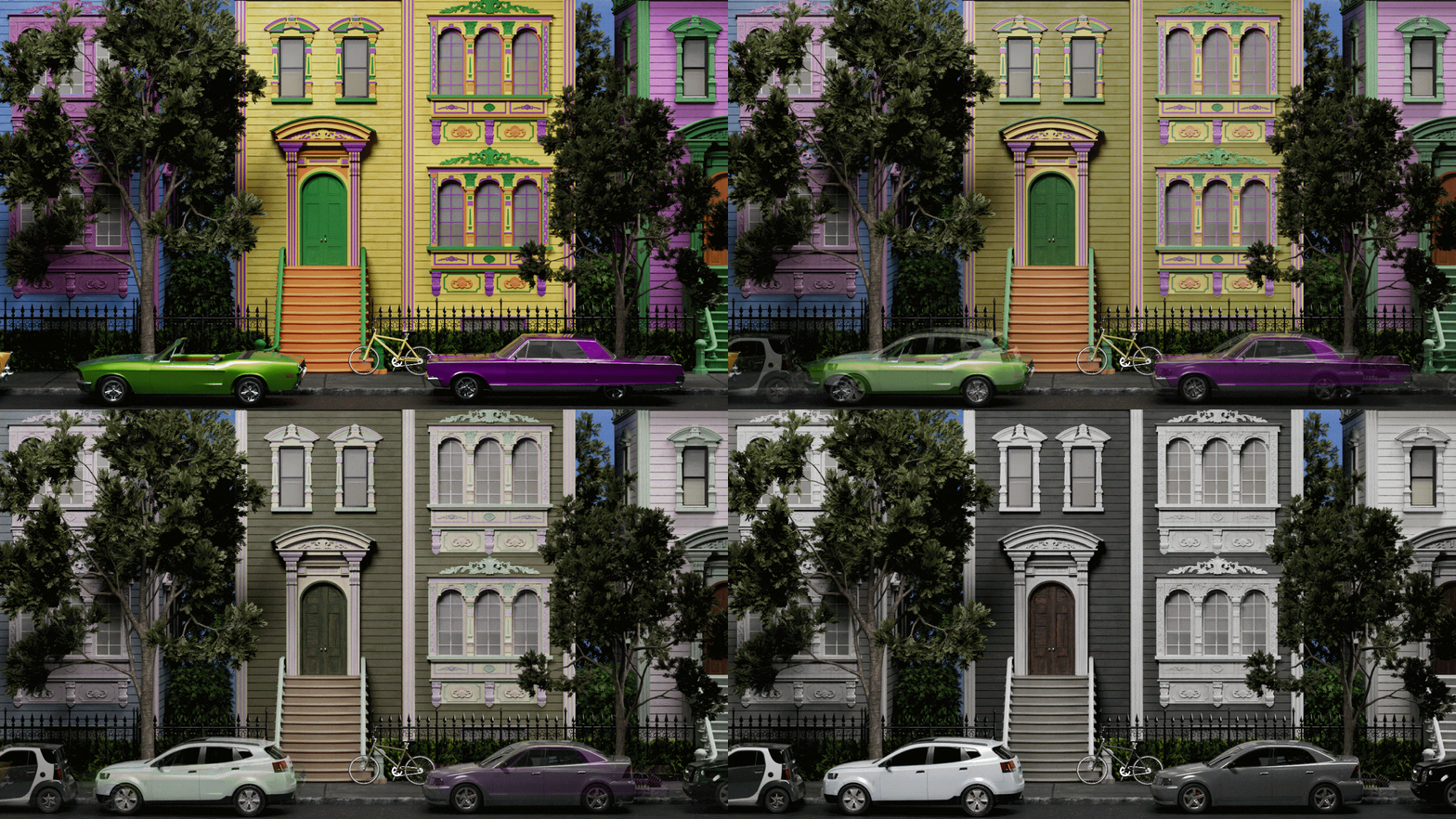
The color recession has persisted far longer than the previous color fads of the past decades, as Bob Buckter, a 79-year-old housepainter, has observed. The once vibrant and diverse color options for homes, cars, and furniture have been replaced by a predominance of gray, beige, and white hues. This shift is evident in various industries, with paint companies like Sherwin-Williams reporting that the most popular colors for interiors during the 2000s to 2010s were beige and gray.
The decline in color diversity is not limited to home aesthetics. According to pantone, a color technology company, the 2026 "Color of the Year" is "Cloud Dancer," a white shade. Similarly, the share of new cars in grayscale colors has increased from 60 percent in 2004 to 80 percent in 2023, while production of colorful cars has dropped significantly, with purple cars declining by 93 percent and gold by 97 percent over the same period.
The color recession seems to be a result of changing consumer preferences, as people's choices appear to be detached from their expressed likes and dislikes. The shift towards predominantly gray and white colors can be seen as a departure from the once-exclusive luxury of color, which was only accessible to royalty, priests, and nobles in ancient times.
The introduction of synthetic dyes in the mid-19th century democratized color, leading to a chromatic revolution that influenced various aspects of life, from fashion to automobiles.
Written by urgent.news from The Atlantic's reporting — not their text. Machine-written — may contain errors; check the original before relying on it.