The Apple Watch heart rate feature you probably didn't realize existed
Apple has a not-so-obvious heart rate feature that's worth checking out. Here's what it does and how to use it.
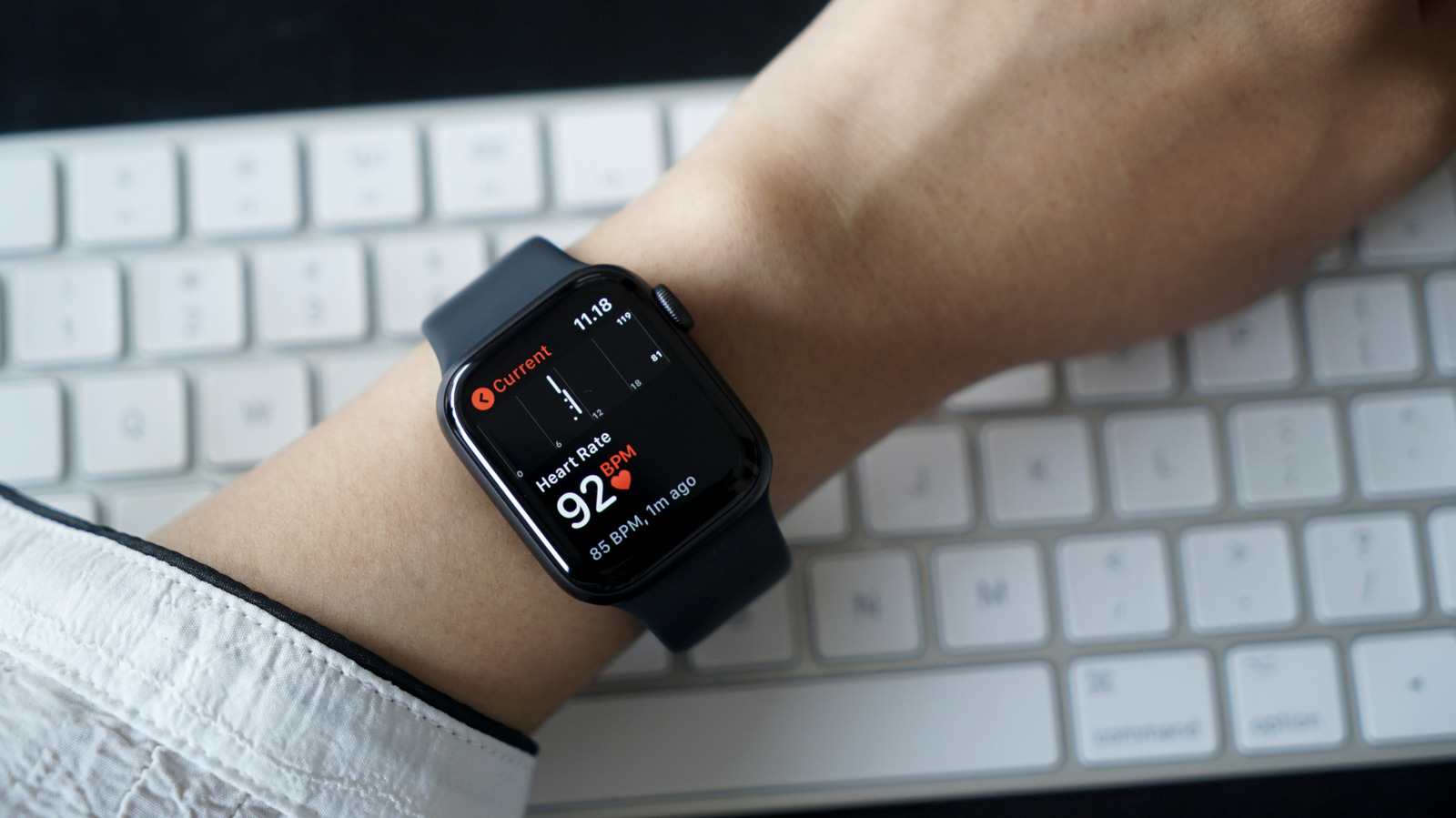
The Apple Watch features an ECG app, often overlooked among its many capabilities. ECG stands for electrocardiogram, a tool for deeper heart health analysis beyond the standard heart rate monitor. Most modern Apple Watches possess this feature, and it's advisable to use it periodically. The watch's heart rate monitoring frequency adjusts depending on your activity level, with manual checks possible through the Heart Rate app.
While the measurements offer insight into whether your heart rate is too fast or too slow, an ECG provides a more comprehensive view by examining the electrical signals within your heart as it beats. However, it's crucial to remember that an ECG doesn't detect heart attack symptoms and should not replace medical attention if you suspect an issue.
This feature is available on all Series 4 or later Apple Watches (excluding SE models) and all Ultra models, requiring updated watchOS and iOS versions. The ECG app is generally accessible in most countries, but some regions, particularly in Eastern Europe, Africa, Central and South America, and the Middle East, have restrictions.
To access the ECG app, ensure your devices are updated, and use the search function to locate it. Follow setup instructions, ensuring your watch fits snugly and your arms are relaxed. Rest your finger on the Digital Crown without pressing. Results will vary based on app version, which depends on regional regulations.
Interpretation of ECG results includes sinus rhythm, indicating a uniform heartbeat between 50 and 100 BPM, and atrial fibrillation, signaling irregular heartbeats. Low or high heart rates suggest the app couldn't detect AFib, while inconclusive or poor recording results may stem from factors like pacemakers, improper watch fit, or physiological conditions. Regardless of the version, after completing an ECG, you'll receive a result indicative of your heart health. If unsure about any result, consult a doctor.
Written by urgent.news from Engadget's reporting — not their text. Machine-written — may contain errors; check the original before relying on it.