Taiwan’s push to dissolve pro-Beijing party triggers political censorship debate
Taiwan’s plan to dissolve the pro-Beijing Chinese Unification Promotion Party (CUPP) has sparked controversy over whether the independence-leaning authorities are using security concerns to suppress political dissent. The island’s interior ministry is seeking a Constitutional Court order to declare the CUPP unconstitutional and dissolve it, marking the first such action against a political party…
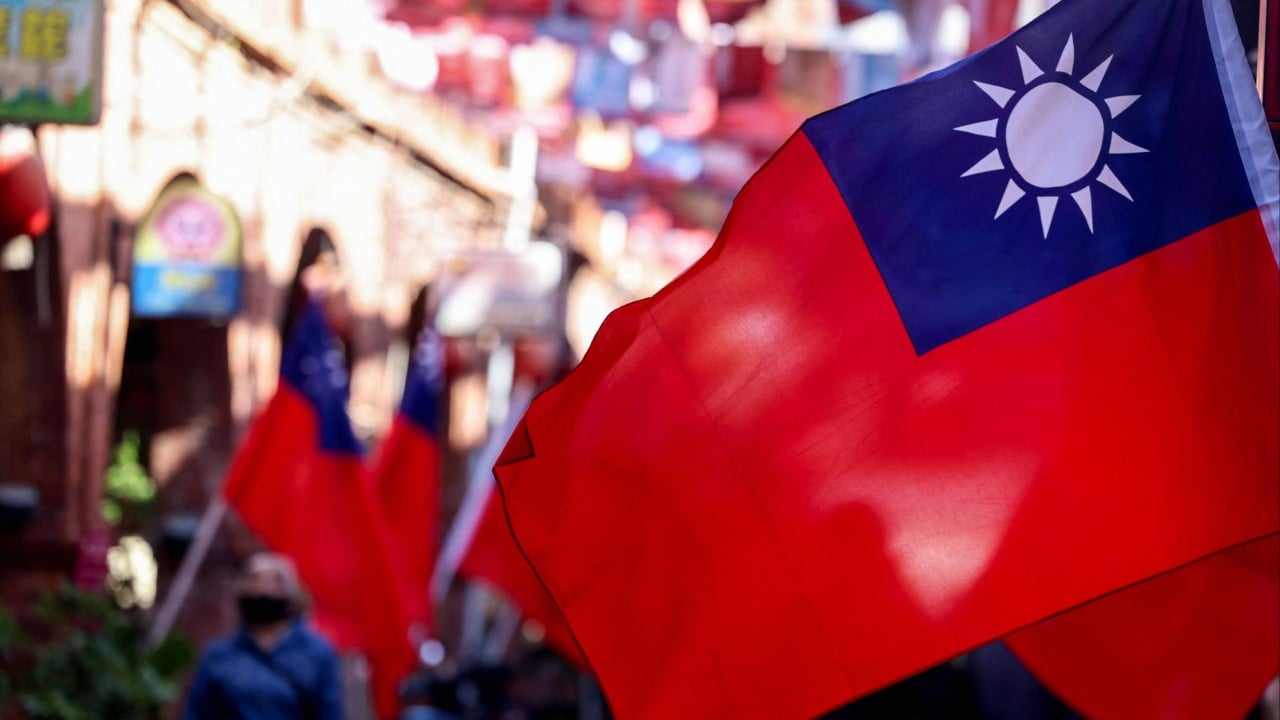
Taiwan's interior ministry plans to dissolve the pro-Beijing Chinese Unification Promotion Party (CUPP) in a move that has sparked debate over political censorship. The decision marks the first time a political party has been declared unconstitutional and dissolved in Taiwan's history. Interior Minister Liu Shyh-fang cited alleged links to organized crime and violations of security laws as reasons for the action, claiming the party's objectives endangered Taiwan's democracy.
Beijing, however, accused the Democratic Progressive Party (DPP) of using the case to suppress political opponents, viewing the reunification of Taiwan as a legitimate cause. The CUPP, founded by former triad leader Chang An-lo, argues for peaceful reunification under Beijing's "one country, two systems" principle. This move has divided Taiwan's political landscape, with some arguing that democratic systems must defend against organizations that exploit freedom to undermine democracy.
Written by urgent.news from South China Morning Post's reporting — not their text. Machine-written — may contain errors; check the original before relying on it.