Still using one big overhead bulb? 3 lighting experts explain how layering light sources can bring your home to life, and how you can try it yourself tonight
I asked three lighting experts how you can layer strip lights, lamps, recessed lights and bulbs to create a bespoke setup that suits the way you live.
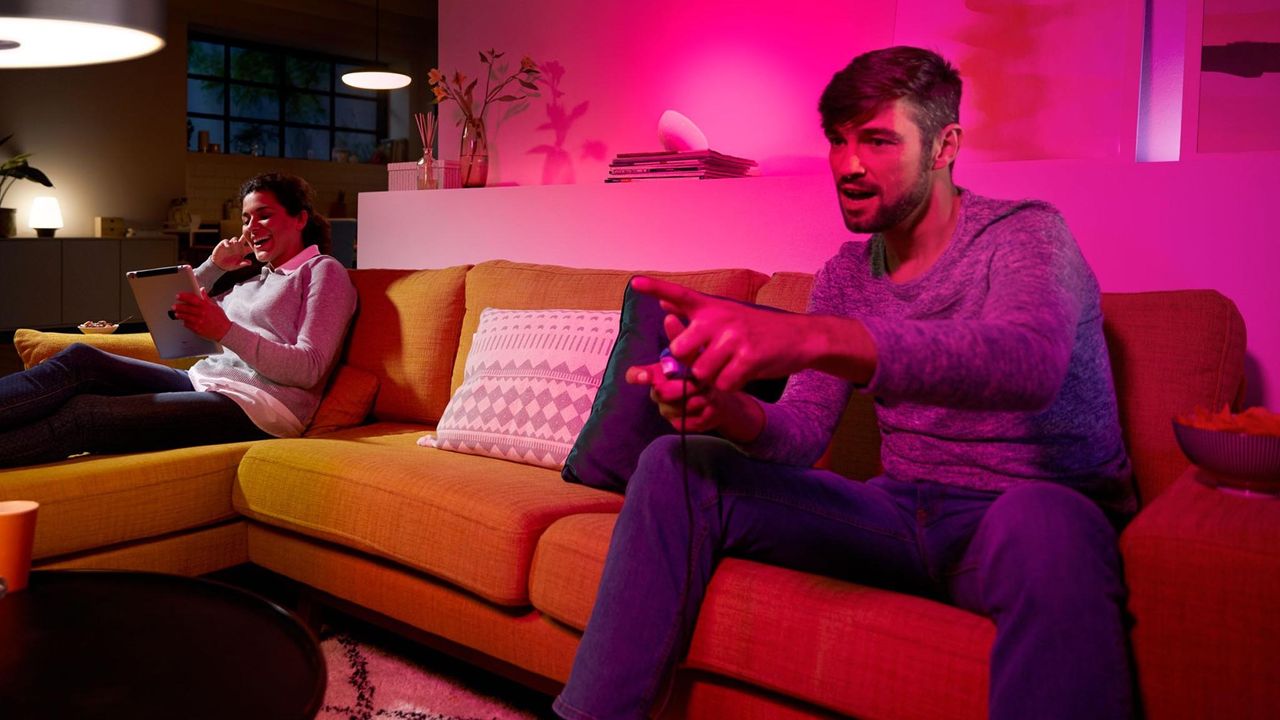
Layered lighting is a technique that can transform your home by combining multiple light sources in different locations. This approach goes beyond a single ceiling fixture and adds depth, balance, and atmosphere to a room. To explore how you can try layered lighting yourself, experts from lighting companies Paulmann, Govee, and Philips Hue explain the benefits and provide recommendations.
Jerry Lin, Product Manager at Govee, emphasizes that layered lighting should do more than just illuminate a room. He explains that a well-designed environment combines different layers of light to create depth, balance, and atmosphere. Tom Amelung, Junior Product Manager at Paulmann, adds that lighting is about more than just function. It shapes mood, enhances texture, and brings colors to life. He stresses that a well-thought-out lighting scheme can create depth, warmth, and harmony in a room.
The four key types of light in layered lighting are ambient, task, accent, and decorative. Ambient light provides overall illumination, task lighting focuses on specific activities, accent lighting highlights architectural features and furnishings, and decorative lighting adds visual interest. By combining these layers, you can create a home that meets practical lighting needs and adapts effortlessly to different activities, moods, and times of day.
Paulmann's Tom Amelung suggests incorporating table lamps, floor lamps, wall lights, or light strips in addition to your central ceiling light. These additional light sources add dimension, highlight architectural features and furnishings, and enhance the richness of colors and textures throughout the room. Govee's Jerry Lin recommends spotlights, but advises positioning them based on how the room is used.
For example, avoid placing lights directly above seating, as they can be harsh and uncomfortable when relaxing. Instead, position lights above worktops and use directional options to target key areas.
Smart lights are particularly effective for layered lighting due to their versatility. Connected light fittings allow you to transform a space throughout the day without moving anything. With smart lights, you can adjust brightness, color temperature, and ambience to suit different activities and moods. For example, you can use a corner of your living room as a study during work hours and then use the whole space for relaxing in the evening.
Philips Hue's spokesperson highlights the convenience of smart lighting, as it allows you to easily adapt your lighting setup without changing the room's layout.
Written by urgent.news from TechRadar's reporting — not their text. Machine-written — may contain errors; check the original before relying on it.