Spacewalks explained: How humans learned to work outside Earth
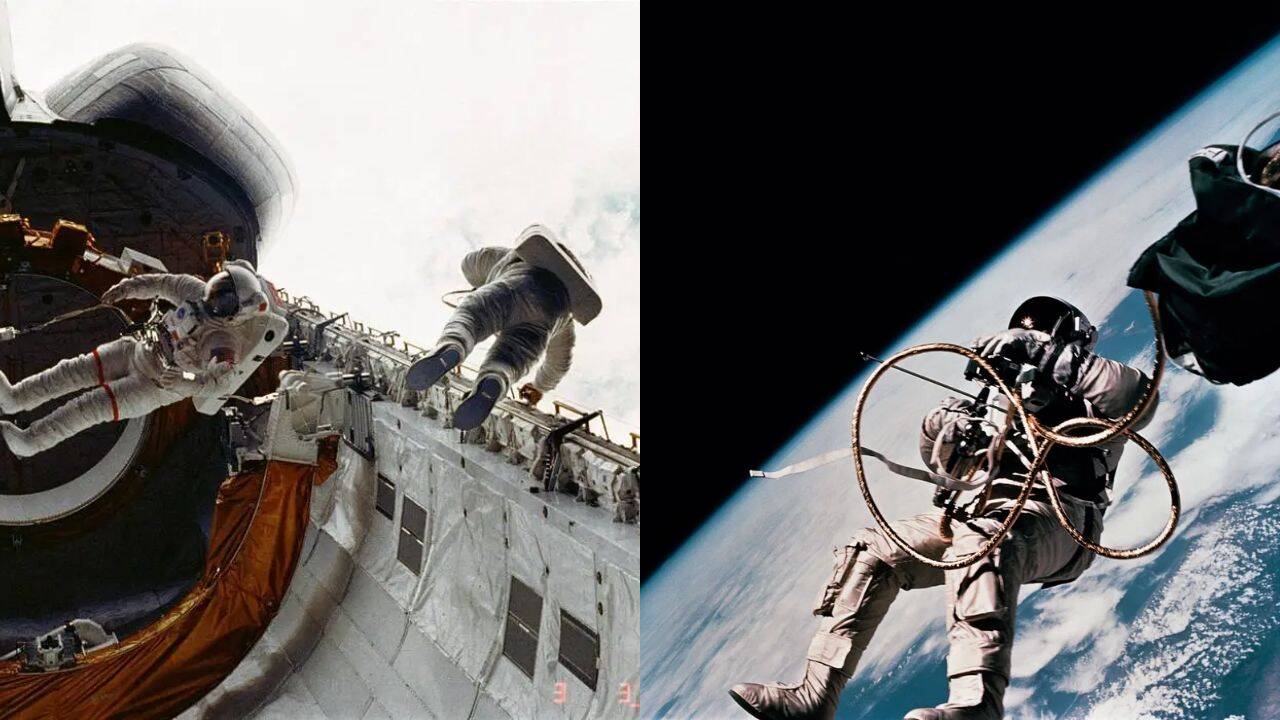
Astronauts Anil Menon and Jessica Meir became the first to perform a spacewalk in nearly six years on August 6, repairing the International Space Station's solar arrays. This task, which requires months of training and preparation, is a testament to human ingenuity in adapting to extraterrestrial conditions.
The first human to venture into space was Soviet cosmonaut Alexei Leonov, who floated outside his spacecraft for 10 minutes on March 18, 1965. Despite his success in proving that a person could survive outside a spacecraft, the experience taught him that working outside was a whole different challenge. The vacuum of space caused his suit to expand, creating a dangerous situation that nearly cost him his life.
Americans followed Leonov's lead just months later with Ed White's historic EVA during the Gemini 4 mission. Although White's spacewalk provided iconic images of early space exploration, it also highlighted the difficulties of performing even basic tasks while wearing a pressurized suit. Simple tasks such as tightening bolts or connecting cables became exhausting in the harsh environment of space.
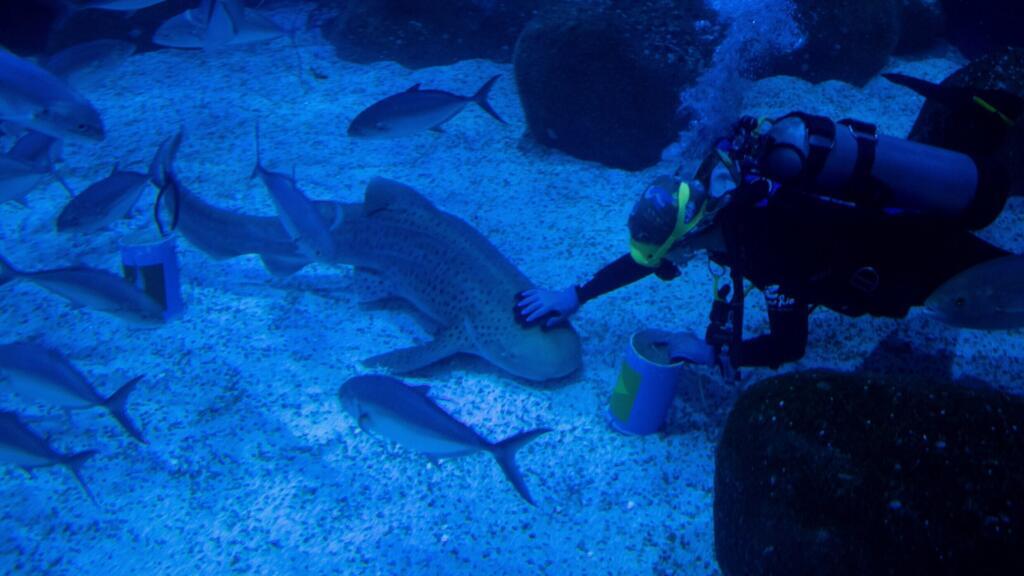
To overcome these challenges, NASA turned to underwater training pools, where astronauts rehearsed every movement they would later perform in orbit. This innovative approach transformed spacewalks from symbolic demonstrations into carefully choreographed engineering operations. Astronauts spent countless hours in neutral buoyancy pools, practicing tasks such as installing equipment, replacing antennas, and tightening bolts, ensuring that their EVA skills were second to none.
Even with extensive training, the real challenge begins when astronauts step outside the safety of their spacecraft. Their white spacesuits are not just clothing; they are lifelines, providing oxygen, removing carbon dioxide, regulating temperature, shielding against radiation, and protecting against tiny high-speed debris. Maintaining pressure in this zero-gravity environment is no easy feat, as pressurized gloves behave more like balloons, making movements requiring constant force.
Orientation becomes a significant challenge as well. On Earth, gravity helps us understand which way is up, but in space, the absence of a gravitational force leaves astronauts disoriented. Earth fills half their vision while the station twists around them, making it difficult to maintain orientation. To combat this, astronauts rely on handrails, route maps, tethers, and constant communication with Mission Control.
The evolution of spacewalks from survival to skill has led to their current role as tools for saving spacecraft. During the Apollo program, astronauts used EVA to move beyond orbit and onto the Moon, collecting rocks, deploying scientific instruments, and driving lunar vehicles. The Skylab mission demonstrated that EVA could also be used for repairs, saving the station when one solar panel failed to deploy properly.
The Space Shuttle era further expanded the role of spacewalks, with astronauts assembling the International Space Station, capturing satellites, and servicing the Hubble Space Telescope in orbit.
However, even with these advancements, space refuses to become routine. In 2013, Italian astronaut Luca Parmitano experienced water collecting inside his helmet during a spacewalk, making it difficult to see and breathe. This incident forced NASA to redesign procedures and hardware, reminding everyone that even in the seemingly perfect environment of space, there are still challenges to overcome.
Written by urgent.news from Times of India's reporting — not their text. Machine-written — may contain errors; check the original before relying on it.