South Asia’s Gen Z protests offer one lesson in common
Last month, as thousands of young Indians led by a group calling itself the Cockroach Janta Party, marched towards Parliament in New Delhi, they were met with tear gas and struck with batons by the police. It appeared that India’s moment in South Asia’s Gen Z revolution had finally arrived. As one journalist observed, for the first time since 2014 when Prime Minister Narendra Modi took office,…
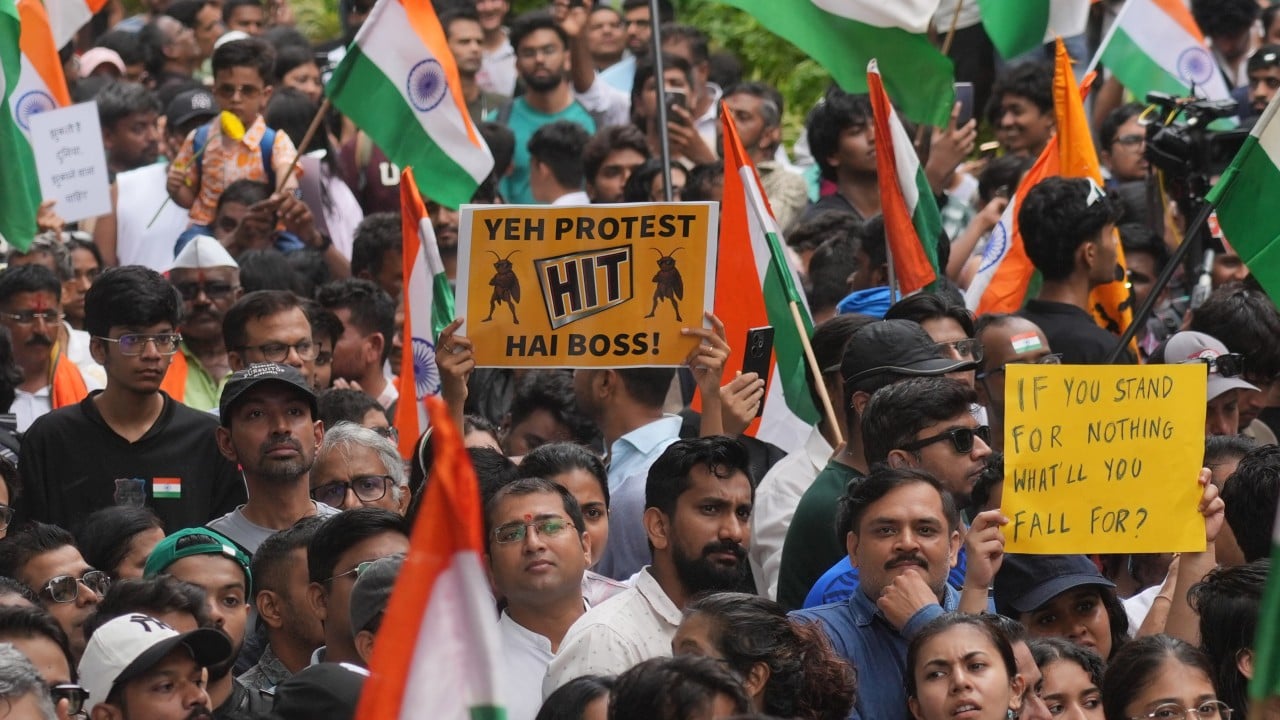
In South Asia, young people have been taking to the streets in protest movements, with each country experiencing its own unique results. Over the past few years, protests have erupted in Sri Lanka, Nepal, Bangladesh, and India, all sparked by anger over political and economic systems. In each case, these movements have lacked any centralized leadership or political party backing, emerging instead as organic and leaderless protests.
In Bangladesh, a youth movement toppled the government of Sheikh Hasina, leading to the installation of a technocratic interim administration. However, once in power, the new administration failed to implement promised reforms, opting instead for its own 31-point plan. The National Citizen Party, formed as a result of the protests, lacked the organizational depth to translate its street power into political capital, winning only six seats out of 30 in the subsequent election.
In Sri Lanka, the "Aragalaya" movement forced President Gotabaya Rajapaksa to flee the country, but the movement's lack of leadership and organization prevented it from shaping the subsequent political landscape. Ranil Wickremesinghe, a prominent political figure, filled the power vacuum and suppressed the protests. In 2024, Anura Kumara Dissanayake and his National People's Power coalition won the presidential and parliamentary elections, marking a shift in Sri Lanka's political landscape.
Nepal experienced a different outcome, with protests triggered by a social media ban and anti-corruption anger leading to Prime Minister K.P. Sharma Oli's resignation. The movement, however, benefited from an existing independent party, Rastriya Swatantra Party, resulting in the election of Balendra Shah as Nepal's youngest Prime Minister at just 35.
In India, the protests by the Cockroach Janta Party, led by young people, ended after the resignation of Education Minister Dharmendra Pradhan. The movement did not evolve into one that brought down the Modi government or escalate into violence, leaving an uncertain impact on India's political consciousness.
In Pakistan, youth protests have faced significant state pushback, with activists arrested, banned, and met with violence. The latest protest in Azad Kashmir resulted in over 30 killings, creating a climate of fear among citizens. Despite these challenges, protests continue to occur across the region, but their success in driving lasting change remains uncertain due to a lack of organizational strength and ideological clarity.
Written by urgent.news from South China Morning Post's reporting — not their text. Machine-written — may contain errors; check the original before relying on it.