'People are still dying': Lasting scars of Australia's tainted blood scandal
The 1980s contaminated blood crisis devastated the lives of thousands of Australians who were infected with hepatitis C or HIV. Now, survivor Tristan Stanley, who contracted hep C as a child, has uncovered government documents that raise troubling questions about the scandal.
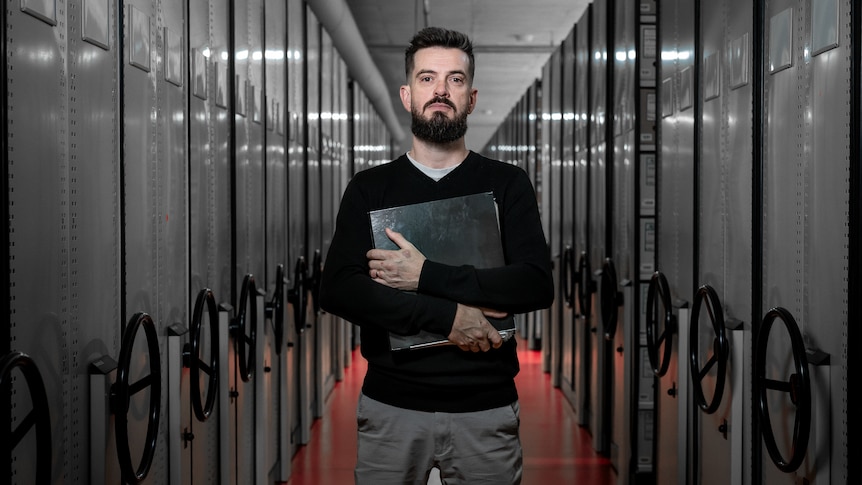
In 1990, Tristan Stanley's parents were shocked to learn their 10-year-old son had tested positive for hepatitis C. Tristan, who had been born with haemophilia, depended on blood products to manage his condition. The family moved from Whyalla to Adelaide to ensure regular monitoring of his condition. Decades later, Tristan is determined to uncover the truth behind the tainted blood scandal that infected thousands of Australians in the 1980s.
Despite receiving empathy from institutions involved, he has yet to see any action taken. Up to 20,000 Australians were infected with hepatitis C or HIV from contaminated plasma products and routine blood transfusions during the 1970s to 1990s. Hundreds died, while others continue to live with serious medical consequences. Unlike previous treatments, which were made from single blood donations, Factor VIII was made by pooling thousands of donations, making it more susceptible to contamination by a single infected donor.
Many survivors argue that Australia has not fully addressed this dark chapter, unlike countries like Canada, Ireland, and the United Kingdom, which have had independent inquiries and compensation schemes. The government's failure to provide a national apology further exacerbates the pain and suffering of those affected.
Written by urgent.news from ABC News AU's reporting — not their text. Machine-written — may contain errors; check the original before relying on it.