Oligodendroglial deletion of the microcephaly gene Cit-k disrupts cortical connectivity and cognitive function
Neurodevelopmental disorders (NDDs) are increasingly recognized as disorders of brain connectivity and circuit dysfunction. Growing evidence suggests that glial cell and myelin abnormalities may actively contribute to these alterations. Yet, they have been often considered secondary consequences of impaired neuronal development rather than primary drivers of circuit dysfunction. Primary autosomal…
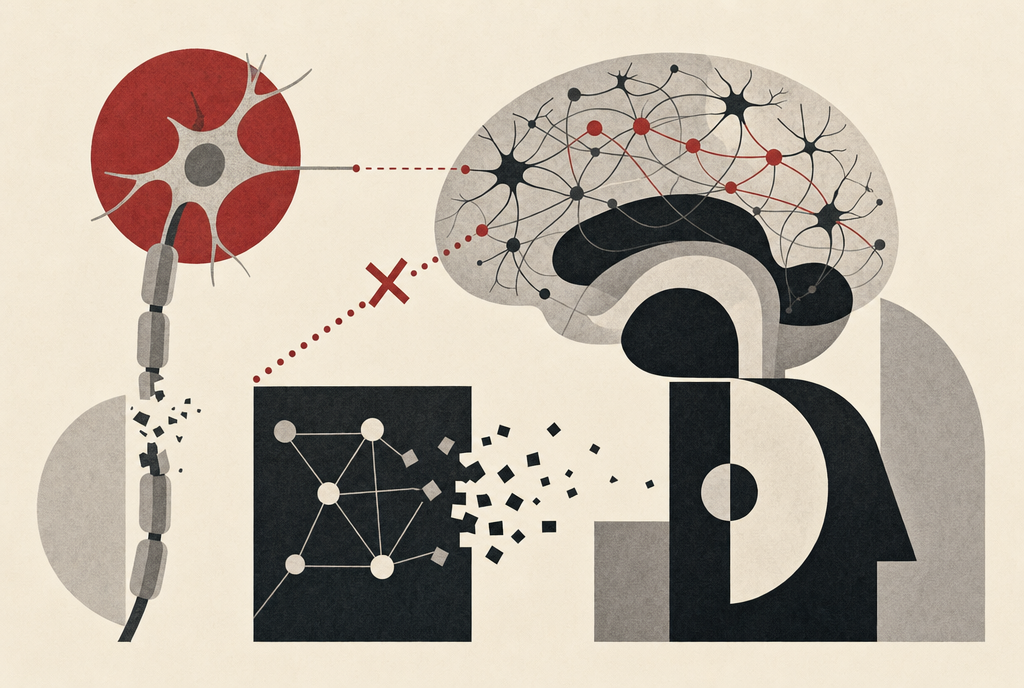
Microcephaly type 17 (MCPH17) is a severe neurodevelopmental disorder caused by mutations in the CIT gene, which encodes Citron kinase (CIT-K). This genetic mutation leads to impaired forebrain myelination and persistent cortical hypomyelination in both patients and mouse models. Despite normal gross motor function, adult mice exhibit deficits in fine motor control, working memory, recognition memory, and auditory fear memory.
These cognitive impairments are linked to altered cortico-cortical and cortico-hippocampal functional connectivity. Additionally, MCPH17 mice display increased susceptibility to kainate-induced seizures. These findings demonstrate that oligodendroglial Cit-k loss and the subsequent hypomyelination are sufficient to cause lasting neurological and behavioral impairments, independent of primary neuronal defects.
The study suggests that oligodendrocytes play an active role in MCPH17 and indicates a broader role for myelin abnormalities in neurodevelopmental disorders.
Written by urgent.news from bioRxiv's reporting — not their text. Machine-written — may contain errors; check the original before relying on it.