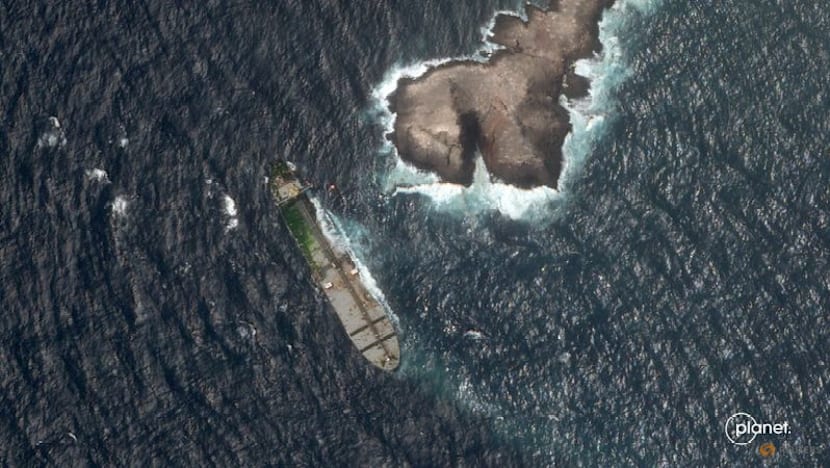
Nazi warships emerge from shrinking Danube as Europe’s record heat deepens drought
Dozens of WWII vessels have resurfaced as the Danube reaches historic lows, some still carrying weapons and explosives; a 700-kilogram British bomb and German military motorcycle were also uncovered
Europe is currently enduring record-breaking heat and severe drought conditions, with temperature records being shattered in various regions. The Danube River, which flows through ten countries, has reached historic low water levels due to the ongoing drought. In Slovakia, a new national temperature record of 42 degrees Celsius was recorded in the village of Dolné Plachtince.
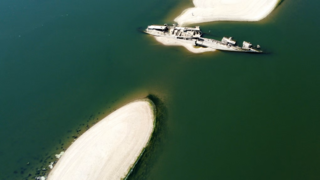
As the water levels recede, remnants of Europe's Nazi past have come to light, with dozens of German warships from World War II emerging from the riverbed. Some of these vessels, believed to still contain weapons and explosives, can be seen resting on sandbanks that are typically submerged. The warships belonged to Adolf Hitler's Black Sea fleet and were intentionally sunk by German forces near the end of World War II in an attempt to hinder the Soviet advance.
Historians estimate that up to 200 German warships were sunk in the Danube in September 1944. Prior to the war's end in May 1945, the British Royal Air Force had also mined sections of the Danube to disrupt enemy troop movements. The exposed wrecks have previously appeared during periods of drought and subsequently disappeared as water levels rose.
Serbia has attempted to remove some of the wreckage, but most of the vessels remain due to the explosives and ammunition they may still contain. Other relics from World War II have also surfaced along the Danube. In Slovakia, police recovered an unexploded British bomb weighing approximately 700 kilograms, which was safely detonated.
A German military motorcycle was also discovered in Budapest, where the Danube fell to a record low of just 10 centimeters. The dwindling water levels have created a significant energy crisis for countries in Central and Eastern Europe, as several power plants rely on the river for cooling. Romania resorted to blasting apart a large rock in the river to redirect water to the Danube channel supplying its last operating nuclear reactor.
Hungary's sole nuclear power station, the Paks plant, has come close to shutting down for the first time in its 44-year history, currently operating at only 240 megawatts of electricity compared to the usual 2,000 megawatts. Hungarian Prime Minister Péter Magyar expressed concerns about the possibility of a complete shutdown if water conditions continue to worsen.
Written by urgent.news from Ynetnews's reporting — not their text. Machine-written — may contain errors; check the original before relying on it.