NAB chief urges withdrawal of Rs500m graft probe limit
• Tells Senate panel bureau’s hands are tied under amended law to act against govt officials • Says private sector accounts for 45pc of corruption ISLAMABAD: The National Accountability Bureau (NAB) on Friday urged the government to withdraw a restriction that prevents it from taking action against government officials accused of corruption involving less than Rs500 million. “Untie our hands and…
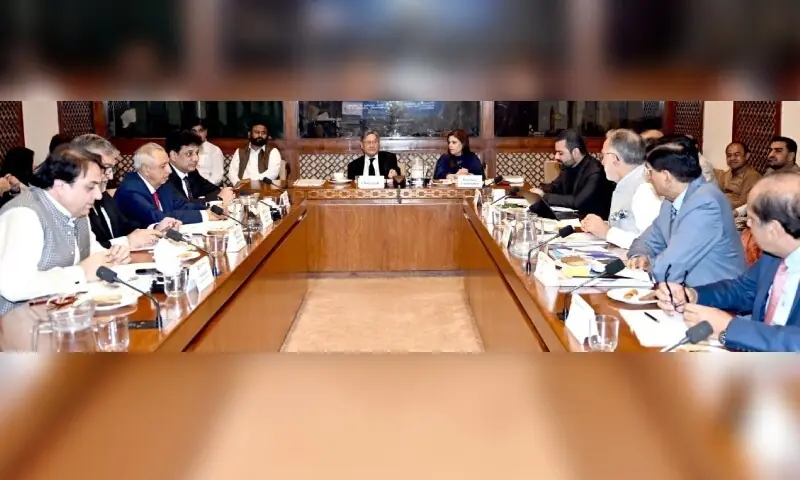
Islamabad: The National Accountability Bureau (NAB) has called on the government to lift a cap restricting its ability to investigate government officials accused of corruption involving less than Rs500 million. NAB Chairman retired Lt Gen Nazir Ahmed made the plea during a Senate Standing Committee on Law and Justice meeting. The amended NAB law currently prevents the anti-graft agency from pursuing cases involving corruption amounts below Rs500 million, causing many cases to be transferred to other departments like the Federal Investigation Agency.
This restriction has led to the empowerment of station house officers (SHOs) over NAB investigators, according to Ahmed. During the meeting, NAB prosecutor general read out the amended law, which prohibits NAB from taking action against cabinet members or their committees. However, committee chairman Senator Farooq Naek clarified that NAB could still investigate individuals who violate cabinet decisions or engage in corrupt practices.
Highlighting the bureau's past successes, Ahmed stated that NAB has recovered assets worth $64 billion, including state and private land. Senator Kamran Murtaza, a member of the committee, suggested that the Rs500 million threshold should also be abolished for cases involving politicians. He argued that politicians are responsible for 11% of corruption while the private sector, including the sugar mafia, accounts for more than 45%.
Committee chairman Senator Abdul Qadir urged NAB to investigate the petroleum sector, where numerous wells have been drilled for oil and gas exploration without any production.
Written by urgent.news from Dawn's reporting — not their text. Machine-written — may contain errors; check the original before relying on it.