Migration: Ceuta Crisis – Why Children Become Bargaining Chips
Spain must accept underage migrants - but their distribution is being delayed. Why the children are becoming a point of contention between politics and society.
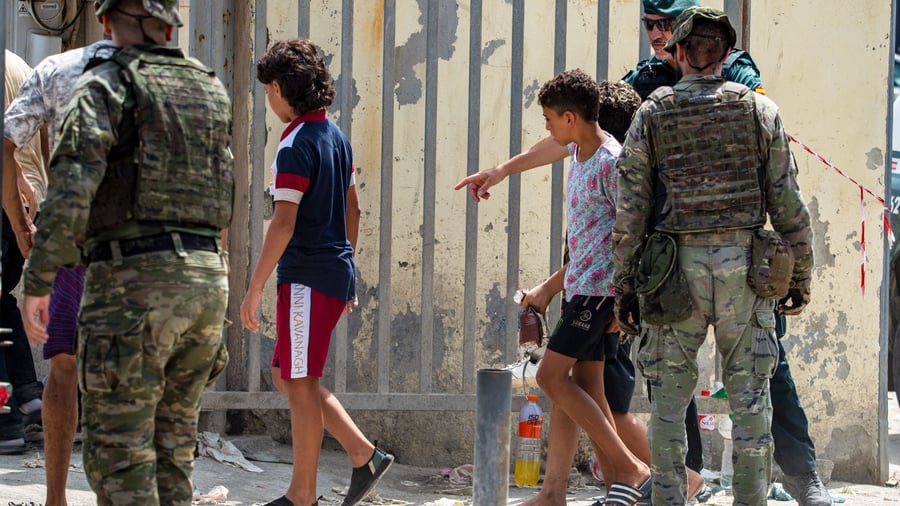
In the Ceuta crisis, the fate of children remains uncertain following a mass influx of 72,000 migrants to Spain's North African enclave of Ceuta. Adult migrants were largely repatriated, but the immediate expulsion of minors is effectively prohibited by a combination of Spanish national laws and international agreements, prioritizing the welfare of the child. Despite these legal protections, the predominantly Moroccan children and teenagers have become a political bargaining chip in the migration policy debate.
The exact number of minors in Ceuta is disputed. Ceuta's administration initially reported 1,017 unaccompanied minor migrants, later increasing to around 1,200. Out of these, 750 had arrived before the mass influx on July 30th and 31st. Save the Children estimates the figure to be close to a thousand. The Spanish Youth Minister, Sira Rego, announced on Friday during a visit to Ceuta that there were already 1,342 registered minors under care.
Written by urgent.news from Handelsblatt's reporting — not their text. Machine-written — may contain errors; check the original before relying on it.