Machine learning enables clinically feasible implementation of clot waveform analysis for differentiating causes of prolonged activated partial thromboplastin time
Scientific Reports, Published online: 08 August 2026; doi:10.1038/s41598-026-65398-4 Machine learning enables clinically feasible implementation of clot waveform analysis for differentiating causes of prolonged activated partial thromboplastin time

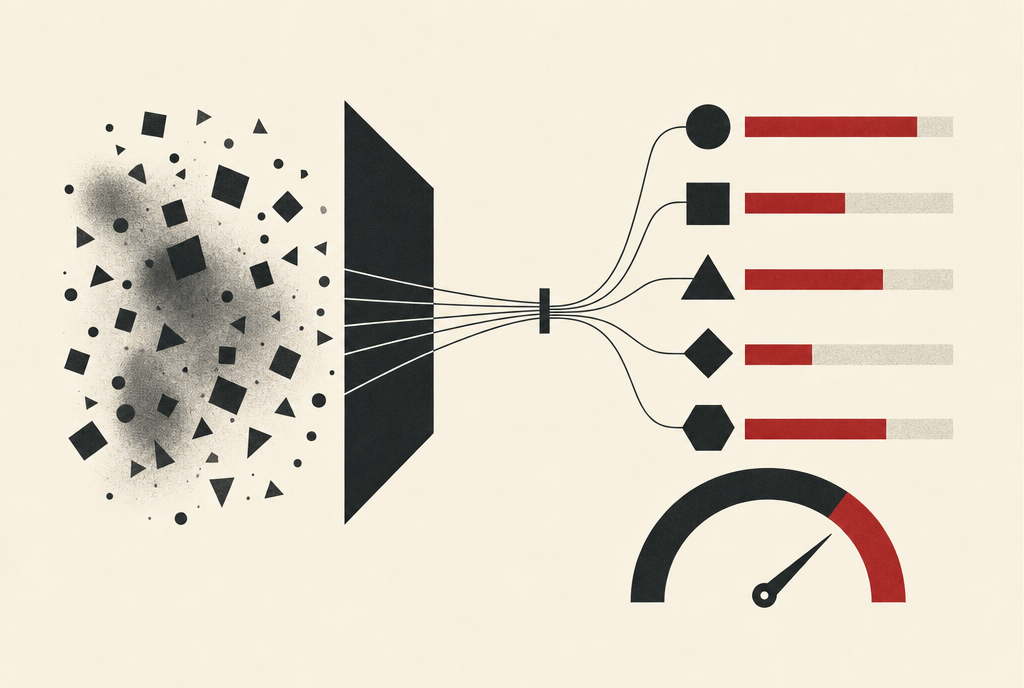
Machine learning (ML) applied to single-wavelength clot waveform analysis (CWA) has shown promise in differentiating causes of prolonged activated partial thromboplastin time (APTT). This study classified 683 prolonged APTT samples into five groups, including heparin, direct oral anticoagulants, warfarin, lupus anticoagulant, and factor VIII/IX deficiencies or inhibitors.
Using 22 waveform-derived parameters at 660 nm, ML achieved sensitivity and specificity ranging from 82.8–99.0% and 95%, respectively. These parameters were associated with distinct waveform patterns in different causes of prolonged APTT, reflecting differences in coagulation function. Validation with 53 independent patient samples confirmed the high accuracy of ML using single-wavelength CWA.
The study highlights the feasibility of implementing ML for clinical use, enhancing interpretability and facilitating the integration into automated coagulation analyzers for broad clinical applicability.
Written by urgent.news from Scientific Reports's reporting — not their text. Machine-written — may contain errors; check the original before relying on it.