Urgent.News

the world's headlines, one feed

Editions

Tech

Is this $450 laptop from an unknown brand too good to be true?

Finding a good laptop under $500 was hard enough before RAMageddon. They nearly always had cheap hardware and underpowered, often outdated chips. That's what made the MacBook Neo so disruptive: It offered great build quality and good-enough performance starting at $599. Windows laptops couldn't touch it. Even though it's gone up to $699, it's still […]
Is this $450 laptop from an unknown brand too good to be true?

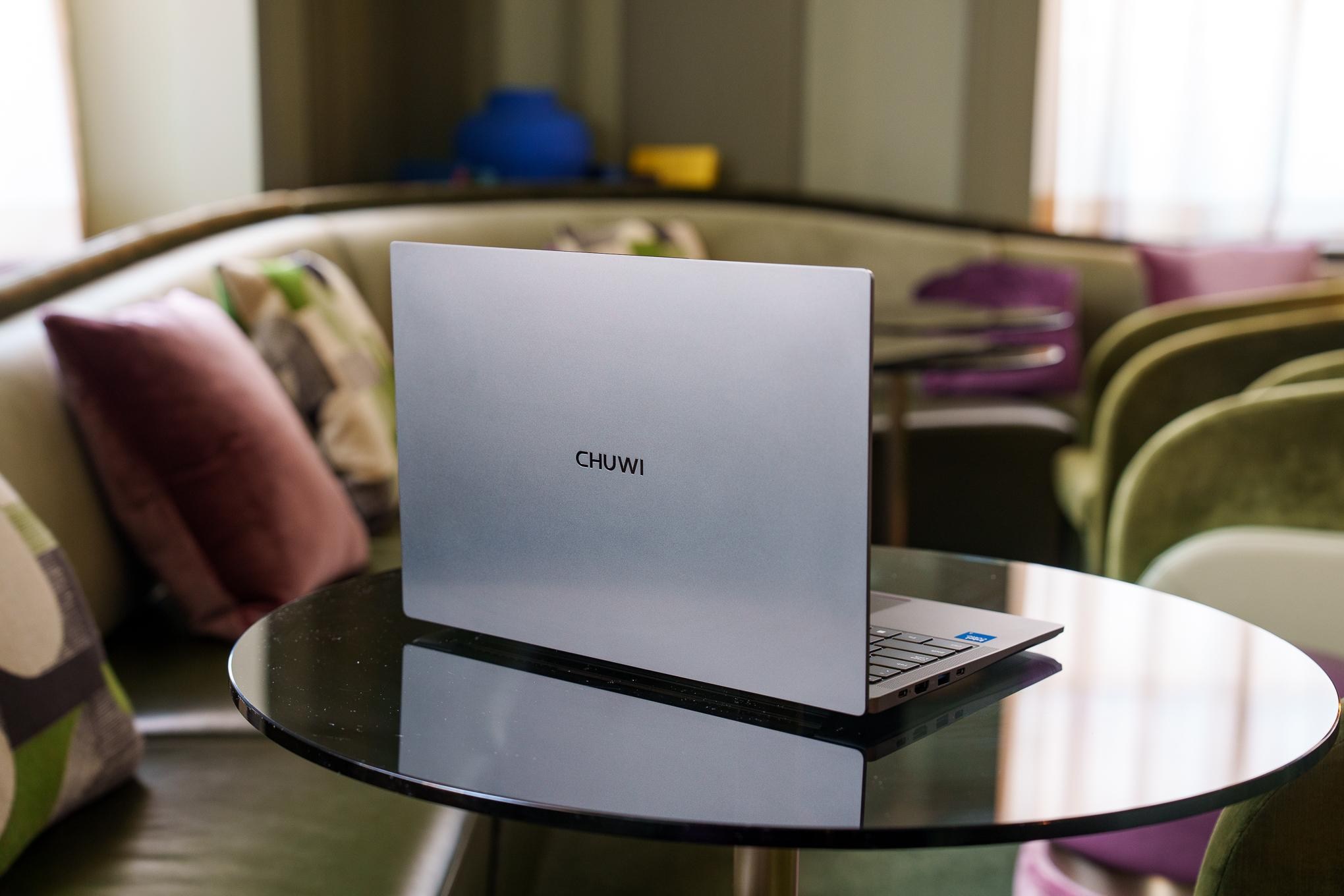
The Verge reports on Chuwi's $450 UniBook laptop, which boasts an aluminum build and a new Intel Wildcat Lake processor. Despite these appealing features, the article suggests that the laptop is not a good value for money, as it is too good to be true. The Verge points out that while the laptop has numerous ports, none are particularly high-quality, and the overall build quality and performance do not justify the price.

Brief written by urgent.news from The Verge's own syndicated text. Machine-written — it may contain errors, so check the original before relying on it.

Read the original at theverge.com →

More in Tech

Foldable 'iPhone Ultra' Rumored to Come in These Two Colors

Foldable 'iPhone Ultra' Rumored to Come in These Two Colors

New images of camera protector accessories for the " iPhone Ultra " suggest Apple's first foldable iPhone will launch in silver and dark blue finishes. Leaker Sonny Dickson yesterday shared images of two third-party camera protectors designed to fit over the ‌iPhone Ultra‌'s camera bump, with one in silver and one in a dark blue…

Microservices vs Monolith: The Quest for the Holy Grail (Inspired by Monty Python)

The Quest Begins (The "Why") Picture this: I’m sipping coffee, staring at a screen full of latency spikes, and the product manager keeps asking, “Why does our API choke whenever traffic spikes?” We’d…

  • Monolithic application's performance issues compared to Monty Python's King Arthur scene
  • Rate limiter solution explored as in-memory vs microservice implementation
  • Redis-backed token bucket guarantees exact limits, low latency, and operational simplicity

Pulse Width Modulation in ESP32

Note: This post is not completed yet. Introduction ESP32s have a peripheral module called LEDC , which stands for "LED Control" or "LED PWM Controller". It is used to dim external LEDs using a technique called Pulse Width Modulation (PWM), which works by switching the LED on and off too rapidly for human eyes to notice.