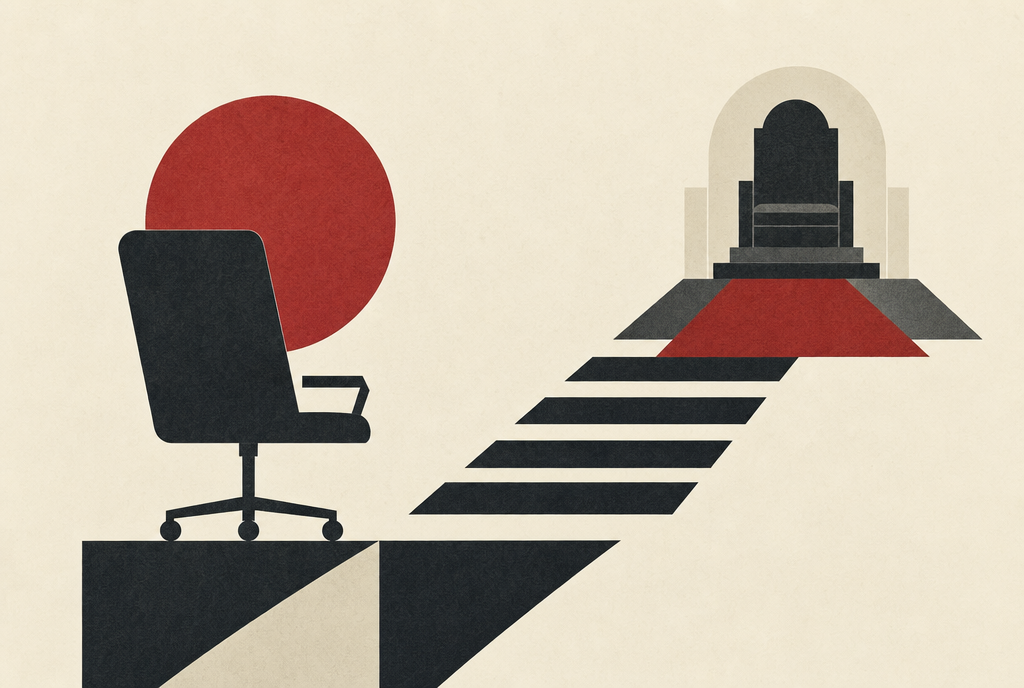
Is retirement just Sundays on repeat? Here's what happens when work no longer defines you
Retirement often promises freedom after decades of work, but the changes it brings are no less demanding than those of other milestones in life. Here's how to adjust – with tips from mental health experts.
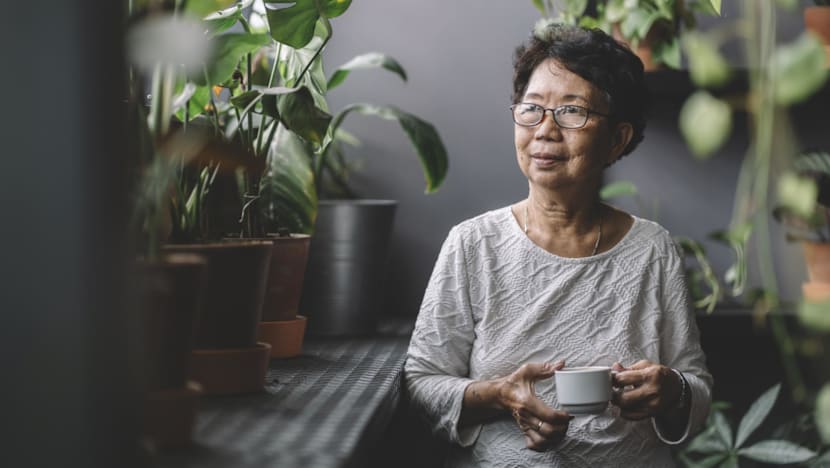
Retirement often promises freedom after years of work, but the adjustments can be just as challenging as other life milestones. Mental health experts offer guidance on coping with this transition. For over a decade, Betty Tan followed a routine as a cleaner at the Tsao Foundation, a social service organization that aids senior citizens.
Upon retiring in 2022 to care for her 92-year-old mother with a domestic worker's help, Tan anticipated a less hectic life. However, she soon felt emptier than expected. While chores and caregiving kept her busy, long periods of the day remained unoccupied. The 77-year-old realized she had lost her daily routine, leading to boredom, listlessness, and stress as hours passed without purpose.
To combat this, Tan started volunteering at the Tsao Foundation's Hua Mei Active Aging Centre, serving as a volunteer for activities and outings. Retirement often promises a well-deserved break, yet it also means losing established routines, relationships, and a sense of self, which can impact emotional well-being. The Well-being of the Singapore Elderly (WiSE) study found that depression among seniors in Singapore increased from 3.7% in 2013 to 4.4% in 2023.
Social isolation and dwindling support networks contribute to poorer mental health in older adults. Some seniors choose to remain in or return to work to combat this. However, experts emphasize that the key is finding purpose beyond employment. Associate Professor Ng Chong Jin, head of geriatric medicine at Khoo Teck Puat Hospital, says that work provides structure, purpose, social interaction, mental stimulation, and identity.
He notes that meaningful work is crucial for retaining these benefits. Dr. Andrea Tan, a general practitioner, emphasizes that retirees may underestimate the void retirement creates, likening it to a vacuum. Physical, cognitive, and social stimulation from commuting and workplace interactions are lost when retirees spend most of their time at home.
Ms. Loh Yan Zhu, head of counselling and coaching at the Tsao Foundation, discusses the "identity vacuum" seniors face when their former roles end. The current generation of male seniors often experiences this, as they heavily identify with their provider role. Retirement may seem liberating initially, with more time for travel and sleep.
Yet, the initial excitement fades, prompting retirees to ask the hard question: "What do I do now?" Health experts note that while financial and physical health planning is common, social well-being receives little attention in retirement planning. Only about 2 in 5 Singaporean residents consider social wellness during retirement and take steps to prepare for it.
Retirees may struggle with emotions like loneliness or emptiness, and some suppress these feelings, leading to unhealthy coping mechanisms like withdrawal or physical symptoms. To prepare mentally for retirement, Assoc. Prof. Ng advises focusing on the three P's: purpose, plan, and people. If these are in place, retirement can be one of life's most rewarding phases.
Ms. Loh from the Tsao Foundation stresses that many retirees internalize feelings of loneliness or emptiness and delay seeking help. The article highlights the importance of addressing social and emotional aspects of retirement to ensure a fulfilling post-work life.
Written by urgent.news from Channel News Asia's reporting — not their text. Machine-written — may contain errors; check the original before relying on it.