Insight Innovation: AI that improves itself – humanity's last invention?
Leading scientists are working on AI that can improve everything - including itself. It could revolutionize research and is one reason for fears of an AI apocalypse.
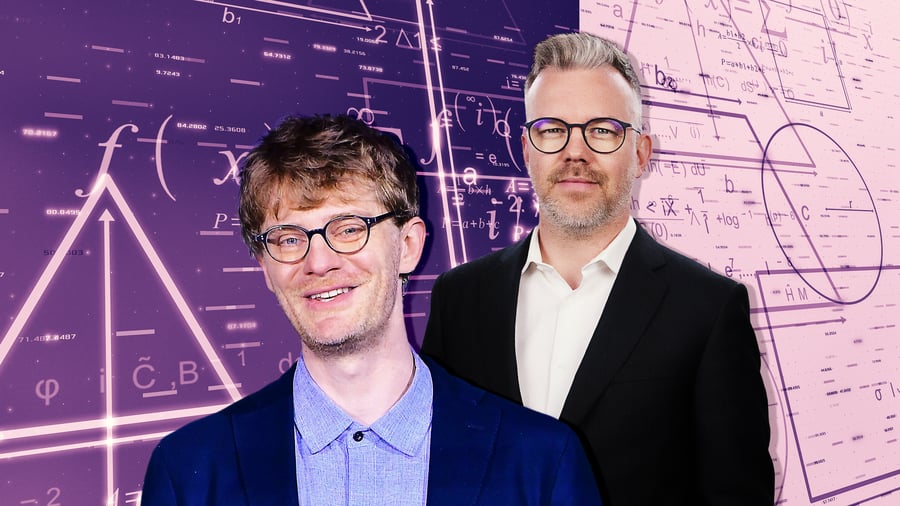
Düsseldorf. The promise of their company is so great that investors are valuing the attempt alone at billions: an artificial intelligence (AI) that improves itself. Tim Rocktäschel, AI professor at University College London, and Richard Socher, the former chief scientist of US software company Salesforce, needed little more than this announcement and six well-known co-founders to spark imaginations among venture capitalists.
The two founders, born in Germany, have collected more than half a billion euros for their new company, Recursive Superintelligence (RSI). From the investment of investors including Google Ventures and chip company Nvidia, it emerges that the company is already valued at more than four billion euros.
RSI belongs to a new category of start-ups called "Neolabs". These are private AI labs, such as US company Thinking Machines Lab, founded by former OpenAI technology chief Mira Murati, Paris-based research company AMI Labs, founded by computer scientist and Turing Prize winner Yann LeCun, and British start-up Ineffable Intelligence, founded by former Deepmind researcher David Silver.
They have in common the fact that their founders are already known for exceptional achievements, receive huge sums from renowned investors for their founding idea alone - and are pursuing a vision that could disrupt AI development itself.
What, then, is behind the big bet on Recursive Superintelligence?
Translated by urgent.news. Machine-written — may contain errors; check the original before relying on it.