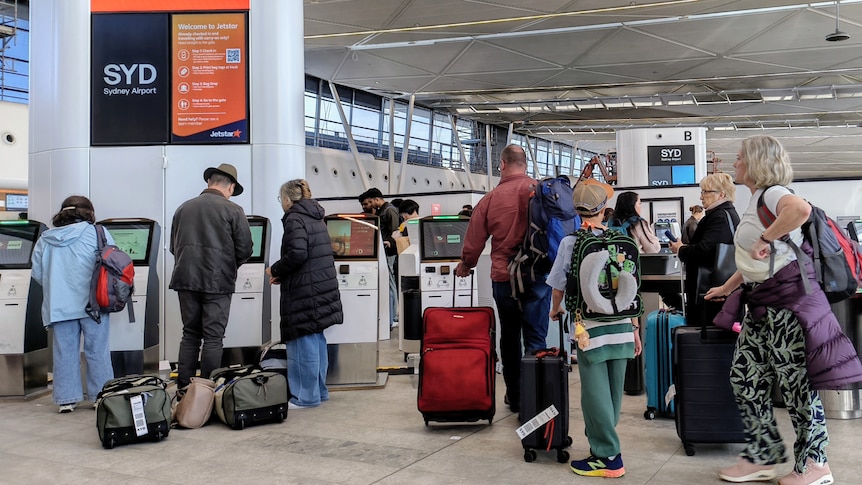
Indonesia’s energy transition leaves coal communities struggling to adapt
In Muara Enim regency, the heart of South Sumatra's coal industry, the closure of mines has left local residents scrambling to find new livelihoods, while others continue to live with the economic hardship and environmental scars left behind by decades of mining.
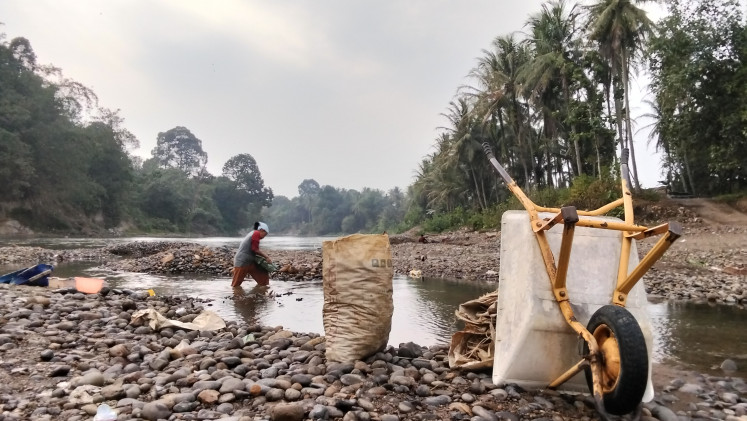
In Muara Enim regency, the hub of South Sumatra's coal industry, the shutdown of mines has displaced local residents and left them grappling with newfound economic challenges. As Indonesia accelerates its shift towards a greener energy future, communities residing near coal mines face an uncertain future.
Andri, a 48-year-old resident, transitioned from managing his family's rubber plantation to working at a coal mine when he relocated to the village of Pulau Panggung. Attracted by the stable monthly pay, he believed the job would provide financial security. However, as the rubber market prices plummeted, his earnings from the plantation dwindled, making the mining job seem like a more dependable option.
It was a decision that proved temporary, as Andri, along with approximately 500 fellow workers, was forced to resign in 2024 following the mine's phased closure.
While the stability of his former job is no more, Andri found himself back on his family's rubber plantation, only to realize that the once-abundant harvest now yields significantly lower returns. He attributes this decline to the environmental damage inflicted by the mines, which has adversely impacted his crops. The once-prosperous village now confronts the harsh reality of economic disruption and ecological degradation, as Indonesia strides towards a cleaner energy future.
Written by urgent.news from The Jakarta Post's reporting — not their text. Machine-written — may contain errors; check the original before relying on it.