IMF-backed reforms must tackle Ghana’s long-running energy crisis – Prof. Bokpin warns
Economist and Professor of Finance, Prof. Godfred Bokpin, has called for greater transparency, broader consultation and a clearly defined role for private-sector participation in Ghana’s electricity distribution sector.
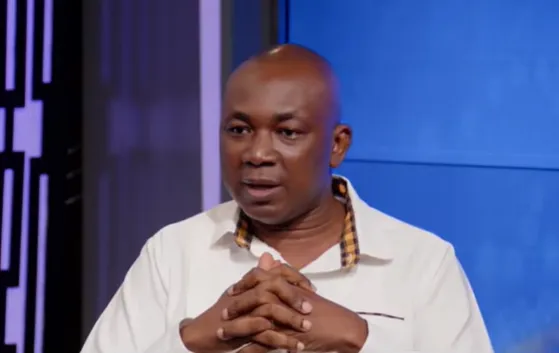
Ghana's electricity distribution sector is facing significant challenges, including high distribution losses, weak revenue collection and outstanding obligations to power producers, according to Professor Godfred Bokpin, an economist and finance professor. These issues have persisted long before Ghana's current IMF-backed reform programme.
However, the IMF programme has contributed to greater transparency and improved mechanisms to ensure revenues are distributed across the electricity value chain. Despite some progress, the financial burden of the energy sector remains extremely significant. Prof. Bokpin argues that the focus should be on using the transparency provided by the IMF-supported reforms to measure meaningful progress, rather than merely criticising the data used to assess the sector's financial position.
Improving private-sector participation in the electricity distribution system is a key component of the reforms, with various models being considered. One proposed model involves retaining the Electricity Company of Ghana (ECG) as a holding company while bringing in private companies to manage specific distribution zones. This would allow the private sector to contribute expertise and potentially help reduce the energy sector's financial burden on the government.
However, Professor Bokpin emphasizes that substantial investment is required to significantly reduce losses across the electricity value chain, and determining where that investment should come from is a crucial challenge.
Written by urgent.news from MyJoyOnline Ghana's reporting — not their text. Machine-written — may contain errors; check the original before relying on it.