I went for a full body MOT and the results came as a shock
The private body scan industry is booming, but is it doing more harm than good?
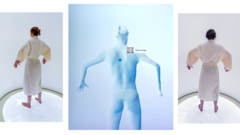
A woman undergoes a full-body MOT at a futuristic clinic in Manchester, where she is scanned while dressed modestly in a dressing gown and slippers. The scan takes 2,000 photographs to capture every detail of her body, creating a 3D avatar using AI. This full-body scan, offered by companies like Neko Health, screens for various conditions, including skin cancer, cardiovascular disease, and type 2 diabetes, among others.
The cost of this comprehensive health check ranges from £299 to thousands of dollars, with a waiting list of 100,000 people.
The body scan industry aims to prevent diseases before they fully manifest, emphasizing prevention over cure. However, skepticism exists regarding the benefits of these scans for otherwise healthy individuals. GPs and doctors within the NHS express concerns about over-diagnosis, unnecessary investigations, and anxiety caused by such scans.
Despite this, the founders of Neko Health, like Hjalmar Nilsonne, advocate for making this preventative treatment accessible to everyone, arguing that early detection can save lives and improve overall health outcomes.
However, cases like that of Mehvish, a 33-year-old who was diagnosed with a rare form of diabetes during her scan, highlight the potential risks and anxiety associated with these tests. Despite not exhibiting any symptoms, Mehvish's early detection of diabetes through the full-body scan led to intensive treatment and saved her life.
Despite this, she emphasizes the emotional and physical challenges of dealing with such a diagnosis. The varying experiences of individuals like Annabel, who had suspicious marks on her back but they were not detected by the AI technology, and Mehvish, who discovered a life-changing condition, illustrate the complex relationship between these preventive health measures and the broader healthcare system.
While Neko Health maintains that its clinical team works in tandem with technology for the best results, the controversy surrounding the efficacy and necessity of these scans remains a topic of debate among healthcare professionals and patients alike.
Written by urgent.news from BBC Health's reporting — not their text. Machine-written — may contain errors; check the original before relying on it.