I upgraded from the M1 MacBook Air to the M5, and here’s what changed for me
After four years with my M1 MacBook Air, the M5 changed more about my daily workflow than I expected.
After switching from the M1 MacBook Air to the M5 model, I found the upgrade to be a significant leap in my daily work experience. The M5 launched at $1,099, but prices quickly rose to $1,299. Despite the higher price, the M5 remains one of the most competitive laptops in its segment, especially for users who don't require a discrete GPU or the added bulk.
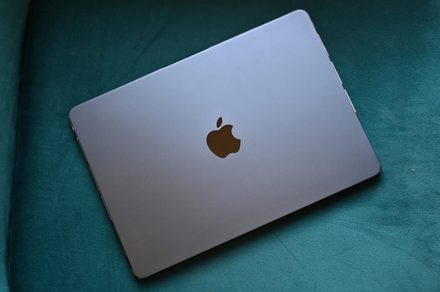
The 13.6-inch display on the M5 didn't feel much different from the M1's 13.3-inch panel, and the notch on the M5 also didn't receive positive remarks. However, the laptop's most striking change for me was its Midnight color variant, whose matte finish shifted between charcoal and near-silver depending on the lighting.
Another welcome change was the MagSafe feature, which made plugging in the charger much easier, freeing up USB-C ports for other uses. The M5 also supports connecting two external monitors simultaneously, unlike the M1 model. Although I didn't test this feature myself, it could be a game-changer for designers and video editors.
The M5's dual Thunderbolt 4 ports doubled the minimum PCIe bandwidth to 32 Gb/s compared to the M1's 16 Gb/s. This improvement allowed me to transfer multi-gigabyte projects in a fraction of the time it took on my M1. With its faster CPU and 16GB of unified memory, the M5 can handle 50 to 60 Chrome tabs simultaneously without slowing down, four times more than my M1 could manage.
The M5's battery life is impressive, delivering 13 to 14 hours of screen-on time on a single charge with average usage. This upgrade has changed my charging habits, allowing me to go two days without plugging in. The new Magic Keyboard added minor labels to the keys, but otherwise, the keyboard remained the same.
Written by urgent.news from Digital Trends's reporting — not their text. Machine-written — may contain errors; check the original before relying on it.