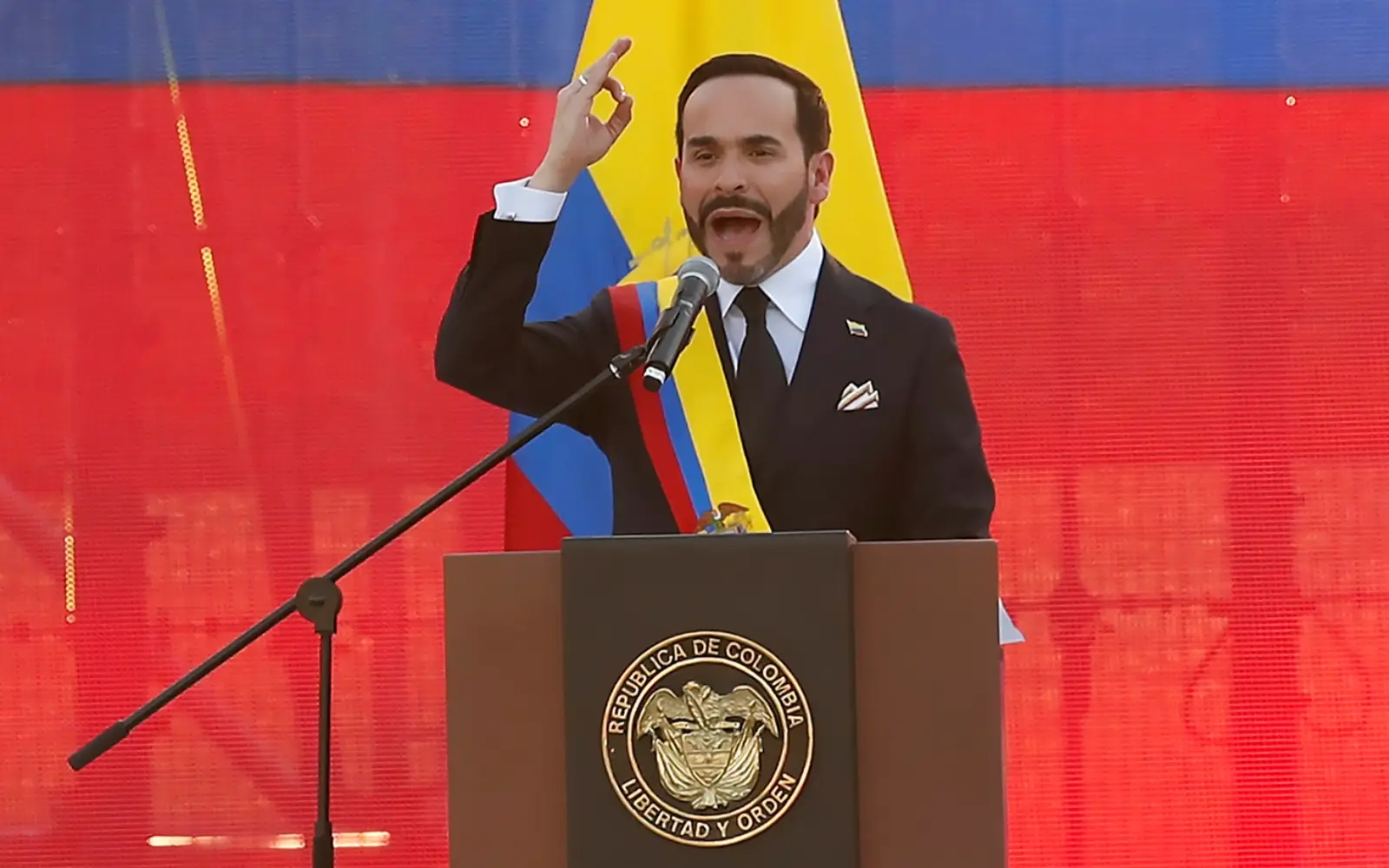
How the humble burrito triggered a Maga ‘civil war’ in Trump’s party
Debate over the price of a burrito is causing indigestion for President Donald Trump’s Republican Party, which fears being punished for the high cost of living in November’s midterm elections. The Mexican speciality – rice, beans, meat and other toppings wrapped in a tortilla – is beloved by many Americans as a comforting, filling and inexpensive meal. Not any more, argues Andrew Kolvet, a…
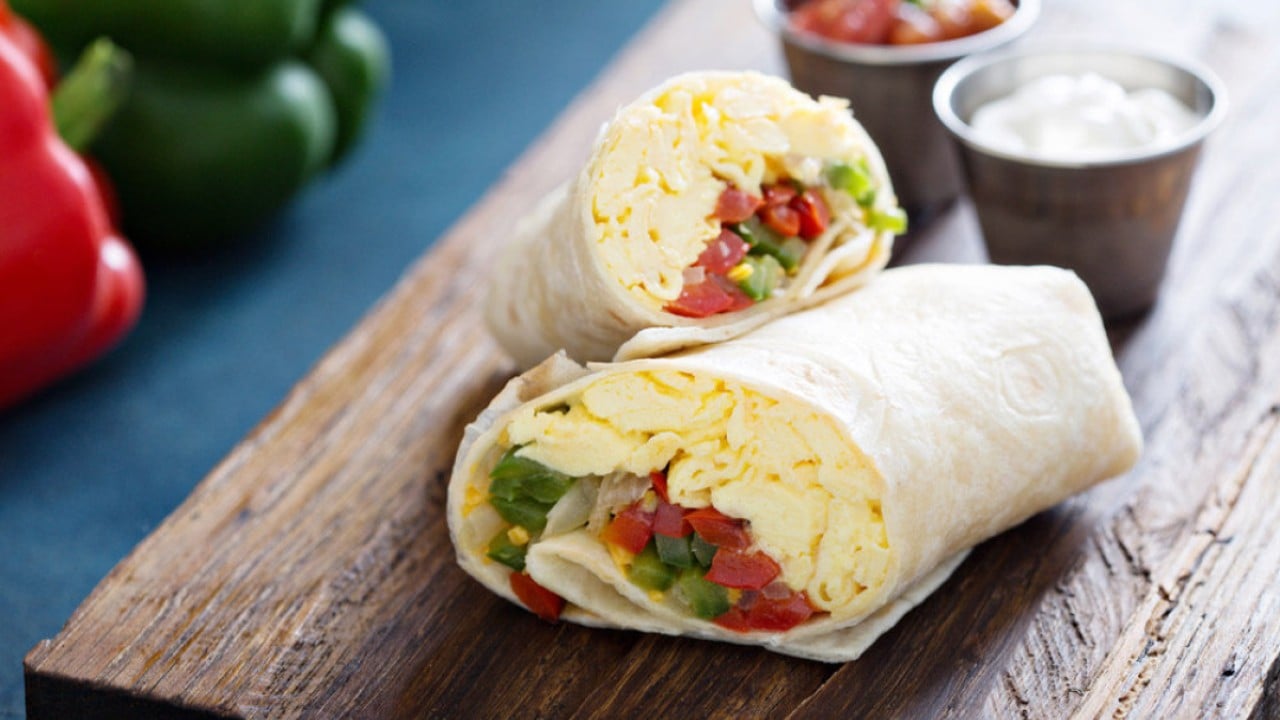
A controversial debate over the price of a burrito has ignited a "civil war" within President Donald Trump's Republican Party as they grapple with the increasing cost of living for the upcoming midterm elections. The classic Mexican dish, consisting of rice, beans, meat, and various toppings wrapped in a tortilla, has become a symbol of affordability for many Americans.
However, the situation has changed due to inflation caused by the Covid-19 pandemic and the policies of the current administration, according to Andrew Kolvet, a spokesman for the conservative youth organization Turning Point USA.
Kolvet's social media post criticizing a student's claim that a burrito shouldn't cost $20 triggered the controversy. The issue quickly became a point of contention among conservatives, leading to accusations that young people had expensive tastes and should have worked harder to afford more expensive meals. Various Republican figures, such as Texas Congressman Dan Crenshaw and former George W. Bush adviser Marc Thiessen, defended the students and accused them of being lazy and overly sensitive.
However, the response from the Republican Party was not wholly united. Vice-President J.D. Vance criticized Crenshaw's comment, noting that "If you’ve ever met him in person, it’s quite obvious the man has never missed a burrito," implying that Vance has always lived a frugal lifestyle. Other conservatives echoed Vance's concerns, warning that downplaying the affordability crisis would have severe political consequences in the upcoming midterms.
The issue has been further complicated by the spike in inflation, with the Consumer Price Index reaching a three-year high of 4.2 percent in May, before falling back to 3.5 percent in June. As energy prices ease, consumers remain concerned about the rising cost of living, with a recent Marquette University poll indicating that 35 percent of respondents cited the cost of living as their primary concern, overtaking the Iran war as the top issue.
Written by urgent.news from South China Morning Post's reporting — not their text. Machine-written — may contain errors; check the original before relying on it.