How Sri Lanka’s heirloom rice can preserve Indigenous farming and help manage disease
WASGAMUWA, Sri Lanka – Prior to the 1940s and the Green Revolution, Sri Lankan paddy farmers cultivated traditional rice, locally known as purana haal. These rice cultivars were resilient and known to possess various nutritional and medicinal properties yet were soon replaced by new improved rice varieties to obtain better quality and bigger yields. Karu […]
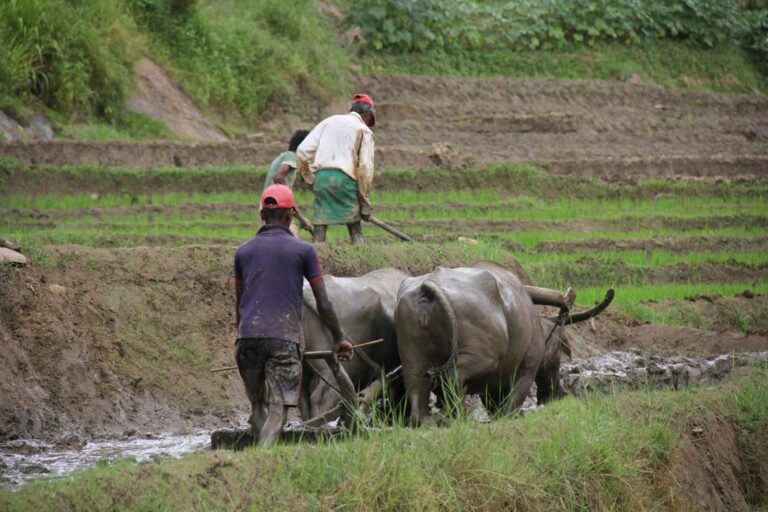
WASGAMUWA, Sri Lanka – Prior to the 1940s, Sri Lankan farmers cultivated traditional rice, known as purana haal. These heirloom rice cultivars were resilient and possessed various nutritional and medicinal properties, but were later replaced by new improved rice varieties for better quality and higher yields. Karu Herath, a farmer in the village of Dunuwila near Wasgamuwa National Park, has cultivated heirloom paddy varieties for 27 years.
Heath stated that fewer than 30 of the estimated 2,500 heirloom rice varieties remain. Traditional farmers would only cultivate heirloom rice during the Maha season, from September to March, due to their long-aged nature and low yields. The introduction of new, improved rice varieties and fertilizers after the 1940s led to a loss of Indigenous rice varieties and traditional knowledge of farming practices.
Herath follows the traditional practice of cultivating heirloom rice only during the monsoon season, letting the soil recover in the dry Yala season and growing heirloom cereals and vegetables like kurakkan and mung beans instead.
Written by urgent.news from Mongabay's reporting — not their text. Machine-written — may contain errors; check the original before relying on it.