How Scott Bessent used financial engineering to finance the $2 trillion deficit while leaving it untouched—and created a $1.45 trillion shortfall
The alarm is coming from inside the house. The Treasury Borrowing Advisory Committee says the borrowing math no longer adds up.
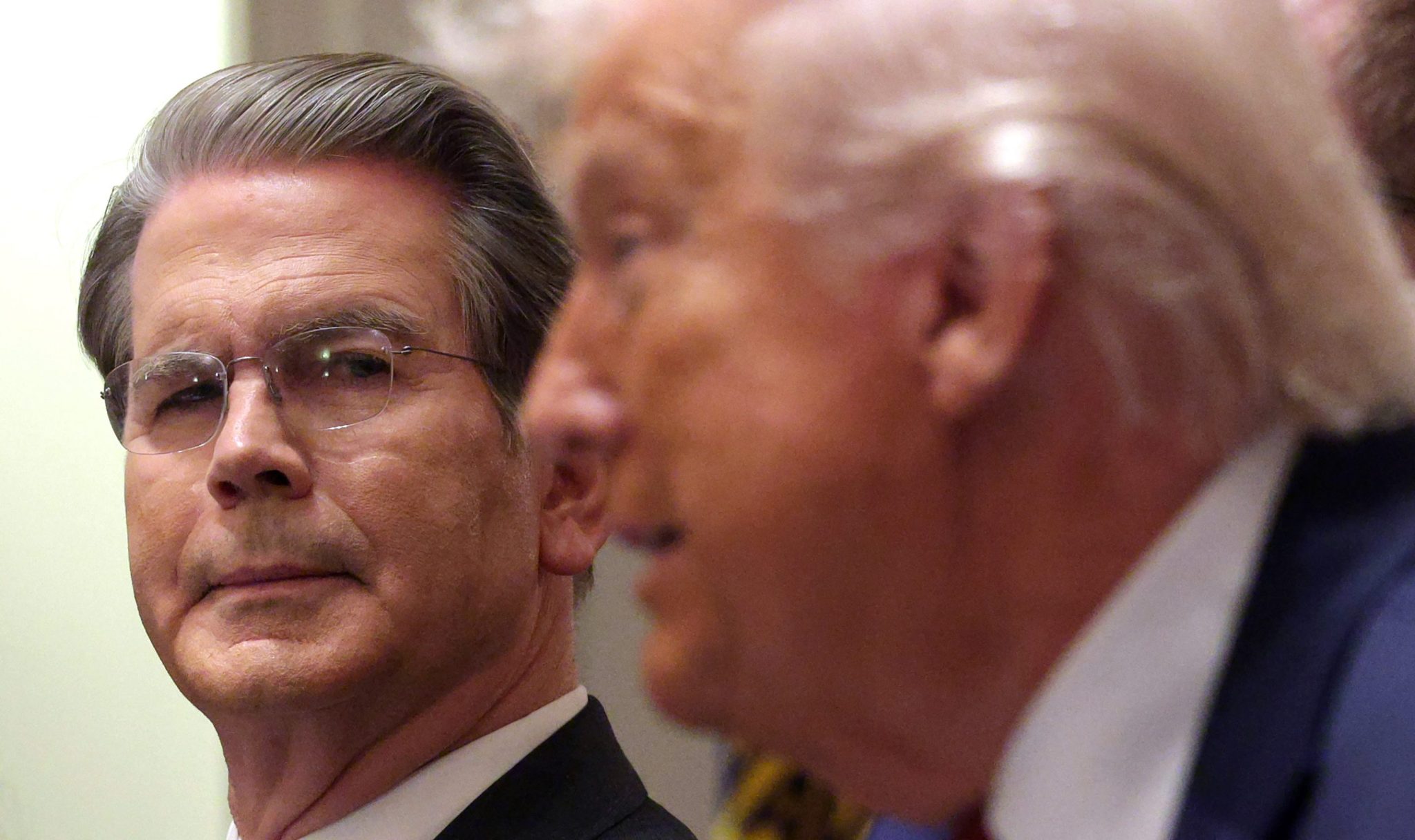
Treasury Secretary Scott Bessent employed financial engineering to fund a $2 trillion deficit without increasing borrowing costs, unintentionally creating a $1.45 trillion shortfall. The Treasury Borrowing Advisory Committee (TBAC), comprising senior bond dealers and investors, warned in August 2025 that the government faces this shortfall due to auction sizes at current levels.
Unlike a single annual loan, the government finances through regular debt auctions, issuing short-term T-bills for the cheapest rates and long-term coupons. Bessent capitalized on the current lower rates for cheaper financing, despite future exposure to inflation and rising rates. The TBAC's minutes revealed that rising interest costs have surged by $120 billion this year, and the government now spends over $1 trillion annually on debt interest alone.
Economists like Jon Hilsenrath, a former Wall Street Journal writer, predict that a collision between the Treasury and the Federal Reserve could exacerbate the situation. As the Fed, under new Chair Kevin Warsh, plans to shrink its balance sheet, Treasury debt may converge with longer-term supply, facing fewer buyers. This convergence, coupled with lower mortgage rates benchmarked to Treasury yields, could trigger a financial crisis.
The strategy was not initiated by Bessent but was previously advocated by his predecessor, Janet Yellen, who faced criticism for "activist Treasury issuance."
Written by urgent.news from Fortune's reporting — not their text. Machine-written — may contain errors; check the original before relying on it.