Hormuz attacks intensify pressure on ADNOC operations
Arabian Post Staff -Dubai Abu Dhabi National Oil Company has warned that sustained attacks on its vessels, employees and assets are significantly disrupting operations as insecurity in the Strait of Hormuz deepens pressure on Gulf energy supplies and commercial shipping. ADNOC said on Friday that 15 of its vessels had been targeted by missiles and drones while passing through the strategic…
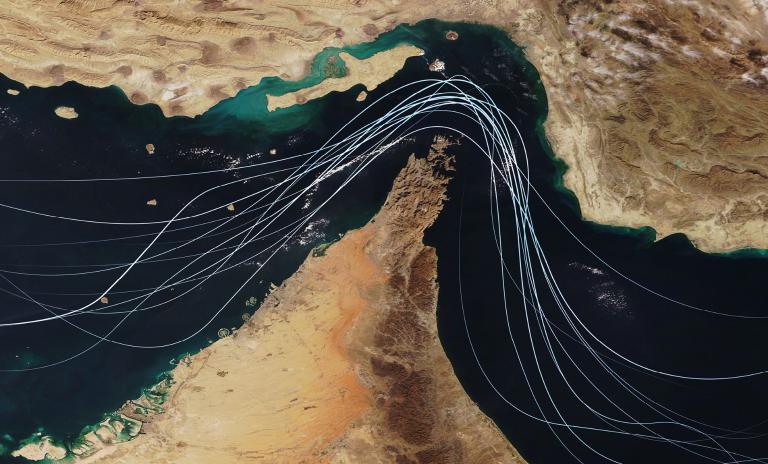
Abu Dhabi National Oil Company (ADNOC) has warned that ongoing attacks on its vessels, personnel, and assets in the Strait of Hormuz are severely disrupting operations, as regional tensions escalate. Since the conflict commenced, 15 of ADNOC's vessels have been targeted by missiles and drones. The latest attacks claimed one crew member's life, with 20 others suffering injuries.
The company emphasized that these assaults are unprovoked and are being conducted in "exceptionally challenging" conditions. ADNOC remains committed to fulfilling customer demands while enhancing security measures for its personnel and infrastructure. The company called for the safeguarding of international navigation and the removal of threats to commercial vessels traveling through the region.
The Strait of Hormuz, separating Iran from Oman, is a critical global energy trade route, with approximately 20.9 million barrels of petroleum liquids passing through daily during the first half of 2025. This accounts for about a fifth of worldwide consumption and a quarter of internationally traded seaborne oil. However, the number of vessels crossing the strait has sharply declined, with only 33 vessels passing through between Monday and Thursday of the current week, compared to 50 during the same period last week.
Shipowners have shown reluctance to subject their crews and vessels to the heightened security risks. Before the conflict, daily vessel movements through Hormuz were significantly higher. The attacks have led to a surge in tanker costs, with one very large crude carrier booked by Reliance Industries at a freight cost estimated between $23 million and $25 million, up from around $2 million before the war.
Iraq has offered substantial discounts on crude loaded at Basrah to compensate buyers for the high freight, insurance, and operational uncertainties. Despite diplomatic efforts to restore reliable passage through Hormuz, market confidence remains fragile, with insurers retaining significant war-risk premiums. The disruption has impacted more than just vessel availability; producers in the Gulf were compelled to reduce crude output earlier in the conflict when limited tanker access prevented crude from reaching international markets.
Although alternative pipelines provide some protection against prolonged Hormuz disruptions, they cannot replace the waterway’s full capacity.
Written by urgent.news from Arabian Post's reporting — not their text. Machine-written — may contain errors; check the original before relying on it.