Historic farm's sale to carbon credit company raises community ire
This 30,000-hectare property is the largest cattle farm in Victoria. But it's facing a very different future that will involve more native planting than before.
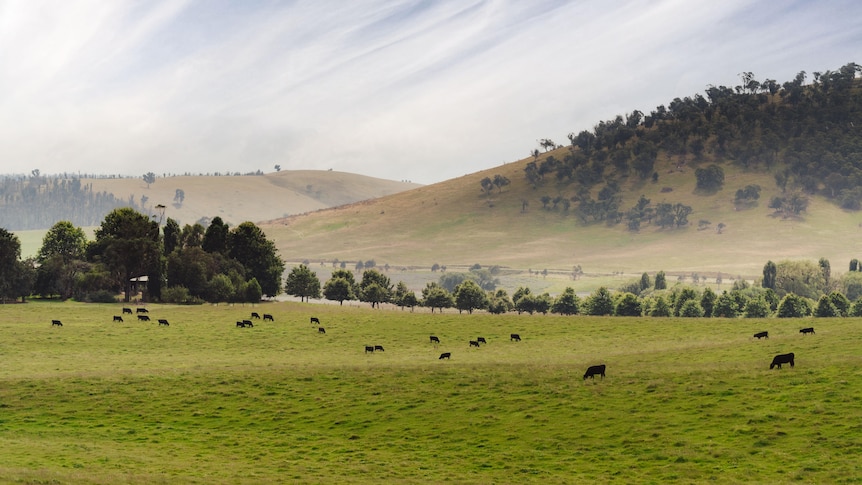
Cobungra Station, a historic cattle farm near Omeo in Victoria, has been sold to a carbon credit company called Silva Capital. The sale has sparked controversy among residents and a federal MP, who argue that prime agricultural land should not be used for carbon credits. Silva Capital, a specialist carbon fund and asset manager, plans to maintain the farm as a working cattle station while enhancing vegetation through a carbon credit scheme.
Carbon credits are generated through land reforestation and other agricultural projects that contribute to the transition to net zero emissions. Silva Capital's co-managing director, Raphael Wood, asserts that integrating carbon sequestration and biodiversity with food and fibre production can create a more sustainable agricultural system. The transformation will involve planting more native vegetation, integrating open woodlands with pastures, and adopting new scientific techniques to improve productivity.
The deal has received approval from the Foreign Investment Review Board and is expected to be finalized soon. However, local historian Dianne Carroll expresses concern that the sale may alter Cobungra's identity and undermines the historical significance of the property. Carroll emphasizes the importance of preserving the farm's history, as it represents a vital part of local culture.
The opposition has also criticized the sale, arguing that it distorts the market for those seeking to purchase land for conventional agricultural purposes. Darren Chester, the federal opposition's agriculture spokesperson, contends that buyers interested in traditional farming will be outbid by organizations that can leverage government subsidies and schemes to fund their purchases.
He questions the long-term implications of such acquisitions, particularly in light of similar deals, such as the sale of Tasmania's largest farm, Rushy Lagoon, to a British investor partially funded by the federal government's Clean Energy Finance Corporation.
Silva Capital's co-managing director, Raphael Wood, is open to engaging with the local community to address any concerns about the project's impact on agricultural productivity and productivity. He emphasizes that the fund is committed to maintaining Cobungra's agricultural output while introducing new sustainable practices. Carbon farming advocates, such as Verity Morgan-Schmidt from Farmers for Climate Action, maintain that carbon farming and traditional agriculture can coexist and provide farmers with valuable income diversification opportunities.
The federal government has stated that it will review the investment on a risk-based, case-by-case basis, ensuring it aligns with national interests and security.
Written by urgent.news from ABC News AU's reporting — not their text. Machine-written — may contain errors; check the original before relying on it.