Genome-wide association study in Heterogeneous Stock rats identifies genetic loci associated with aversion-based learning and cocaine aversion
Addiction is a complex and heritable trait which progresses through several developmental stages, each of which is presumably influenced by multiple partially overlapping genetic factors. Cocaine initially produces rewarding effects, followed by aversive effects including anxiety, craving, anhedonia, and withdrawal. These aversive effects have been suggested to contribute to the etiology of…
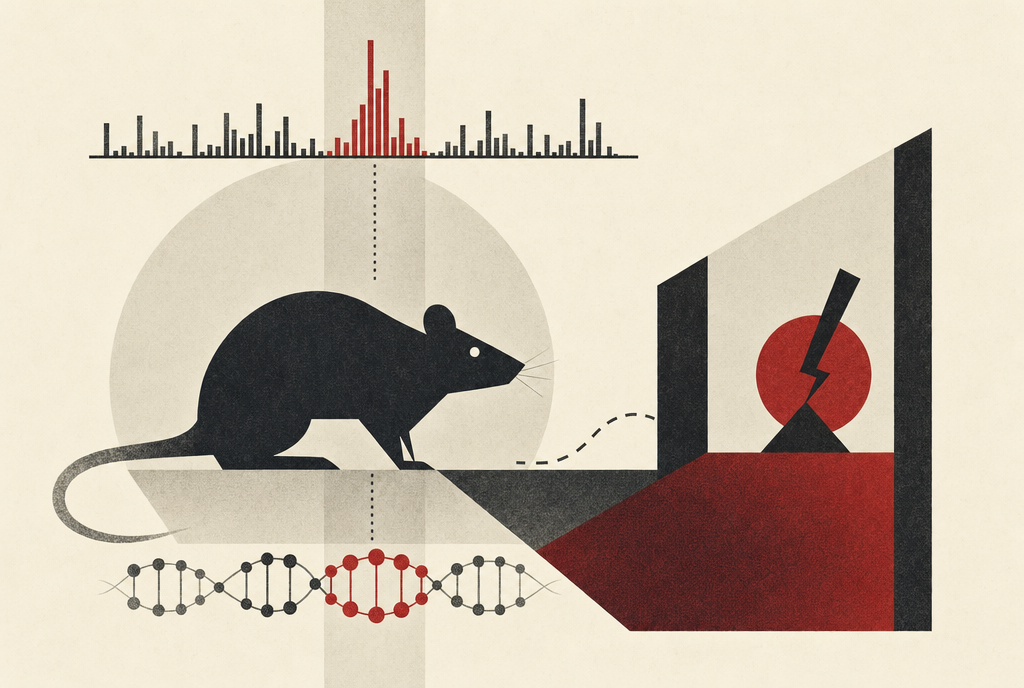
Addiction is a complex trait influenced by multiple genetic factors, including both rewarding and aversive effects of substances like cocaine. A study in the outbred Heterogeneous Stock (HS) rats aimed to identify genetic loci associated with aversion-based learning and cocaine aversion. The research involved 1,074 HS rats (35.3% male) undergoing various behavioral assays, including runway operant cocaine-seeking, food-based progressive ratio and punishment testing, and locomotion testing.
The study found that these phenotypes were significantly heritable, with heritability estimates ranging up to 0.307. This suggests that genetic factors play a substantial role in the development of aversion-based learning and cocaine aversion in HS rats.
Written by urgent.news from bioRxiv's reporting — not their text. Machine-written — may contain errors; check the original before relying on it.