Friday’s downpour in Delhi wasn’t just about the rain; it was about what happened after
Delhi has faced an unprecedented deluge at the start of August, marking the wettest beginning in sixteen years. As rain poured relentlessly, streets transformed into mini rivers, rendering underpasses impassable. Commutes were hampered, with essential services thrown into chaos. Though civic bodies assert improved drainage capabilities, recent floods highlight ongoing vulnerabilities, raising…
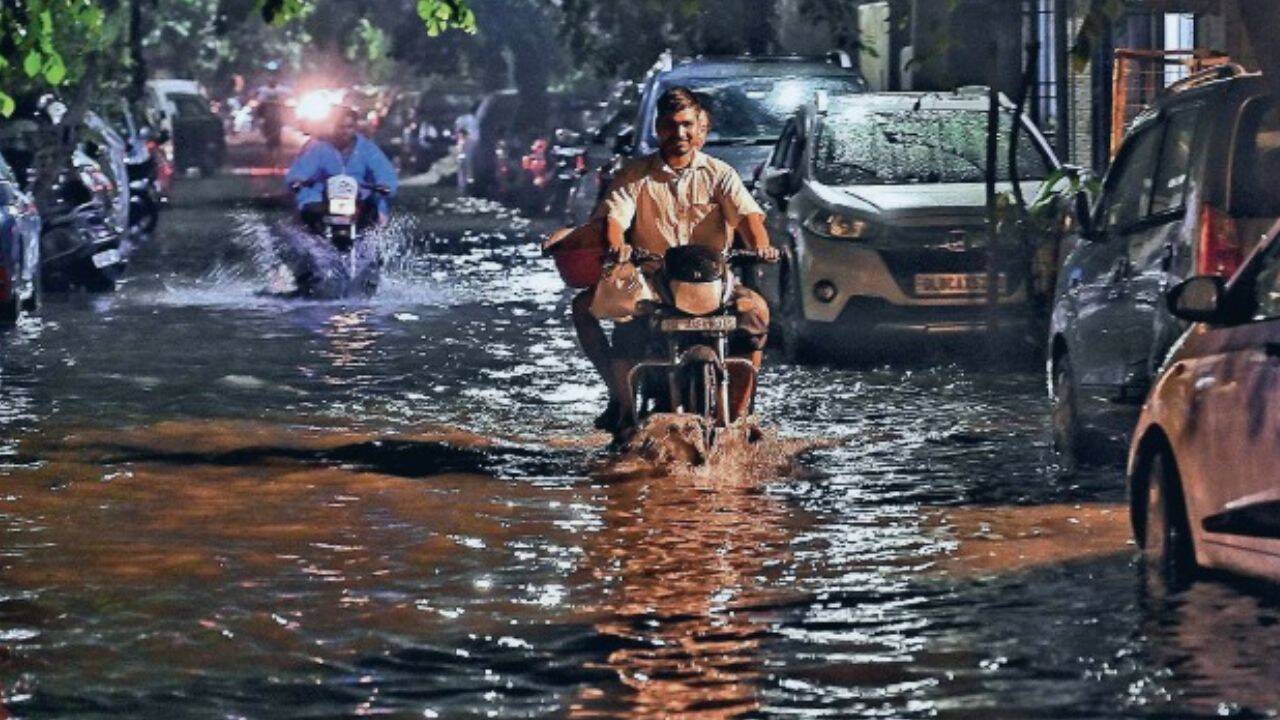
Delhi experienced a heavy rainfall in the first week of August, with 127mm of rain recorded in Safdarjung alone. While the rain was significant, what truly mattered was how the downpour affected traffic, roads, and daily life. Streets turned into pools, underpasses flooded, and travel times ballooned, with some journeys extending by over an hour.
South and southwest Delhi bore the brunt of the heavy rain, as several locations reported rainfall above the IMD's threshold for heavy rain. The city's drainage system struggled to cope, leading to waterlogging in numerous areas, including Chhatarpur Farm, Mahipalpur, and Vasant Vihar. The PWD received complaints from 22 locations, and the NDMC reported 15 waterlogging issues.
Commuters described flooded roads as rivers, with some routes taking over an hour to traverse. While some improvements in drainage and traffic management have been noted, the recurring issue of waterlogging and structural weaknesses in Delhi's infrastructure highlight the need for more comprehensive solutions to handle heavy rainfall effectively.
Written by urgent.news from Times of India's reporting — not their text. Machine-written — may contain errors; check the original before relying on it.