Food package changes colour from purple to yellow-green when meat spoils
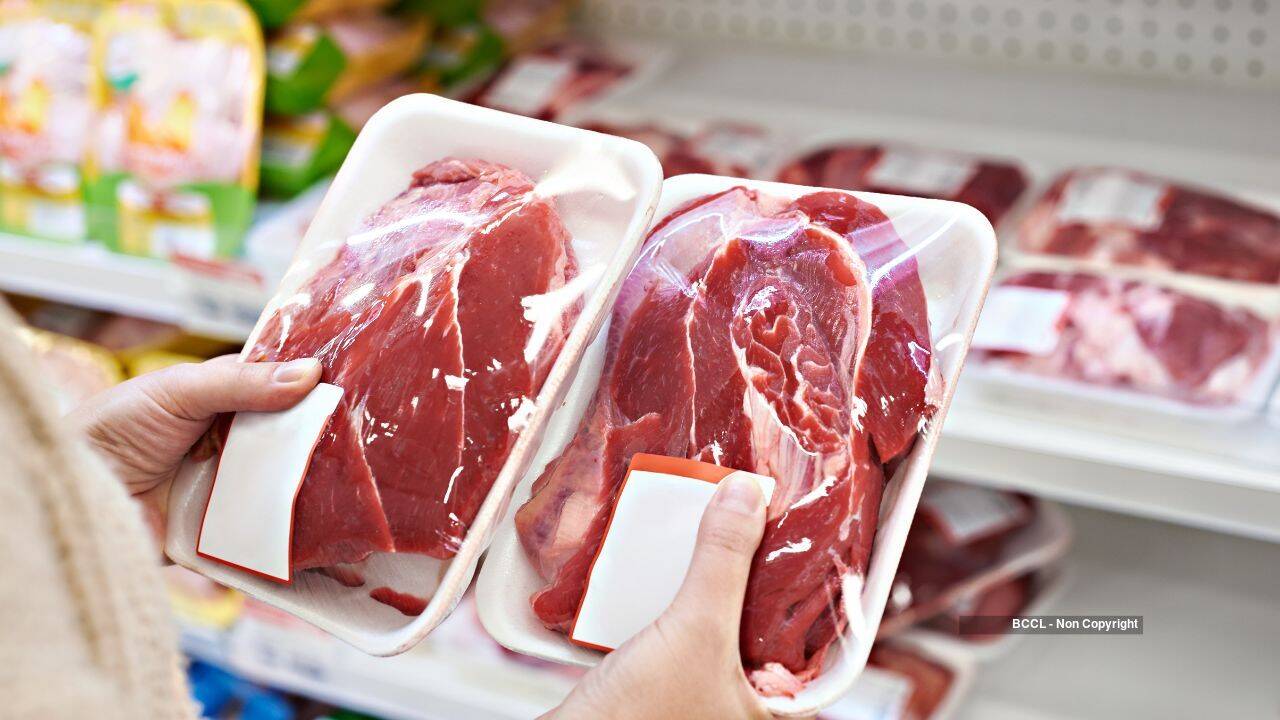
Conventional food packaging conceals the true state of perishable items such as meat, allowing bacteria to multiply unchecked until spoilage is visually apparent. This often occurs after the food has become unsafe to consume. In response to this issue, researchers at Japan's Kyushu University are developing an innovative "smart" packaging solution.
The new material is a flexible film that alters colour as meat begins to spoil. It transforms from a purple-red hue to a yellow-green colour, signalling that the meat is no longer fresh and potentially unsafe for consumption. The change is a direct visual indicator, allowing consumers to assess the freshness of their meat at a glance, even before any spoilage becomes evident.
The film is embedded with a natural plant pigment called anthocyanin, which is responsible for many fruits and vegetables' red, purple, and blue colours. Anthocyanins are known to change colour based on pH levels. In more acidic environments, such as fresh meat, the pigment appears purple or reddish. However, as the meat spoils and the pH level increases, the colour shifts to green or yellow.
To ensure the anthocyanin remains stable and accurately reflects changes in pH, researchers attached it to a protective framework called a metal-organic framework (MOF). MOFs have a large internal surface area and are used in various applications like gas storage and chemical sensing. By anchoring the anthocyanin molecules to the MOF, the researchers shielded them from light, heat, and oxygen, which could otherwise cause degradation and inaccurate readings.
In addition to its visual alert function, the new packaging also possesses self-healing properties. When the film is cut or damaged, the self-healing mechanism repairs the tear within minutes, restoring most of the material's strength. This feature could prevent bacteria from entering through small cracks or tears during transportation and handling, extending the material's protective capabilities.
The researchers tested the film using pork and observed that it gradually changed colour from purple-red to yellow-green as the meat spoiled. This gradual transition not only serves as a clear indicator of spoilage but also provides a visual representation of the food's changing condition, rather than merely indicating a simple "fresh" or "rotten" state.
Early tests using pork showed that the hydrogel film extended the shelf life of the meat by approximately 12 hours compared to untreated samples. While this improvement may seem modest, even a half-day extension could significantly reduce food waste in various stages, including transport, storage, and retail display. Longer usable shelf life would be particularly valuable for fresh meat, which typically requires stringent cold storage conditions.
Despite this promising development, the new packaging would not replace existing food safety practices like refrigeration and proper food handling. Instead, it would serve as an added layer of monitoring and protection, complementing existing measures to ensure food safety throughout the supply chain.
The researchers are also exploring the potential for integrating a smartphone application that could provide a more precise interpretation of the film's colour changes. This could allow consumers to obtain more objective and reliable information about their meat's freshness, enhancing the overall effectiveness of the smart packaging system.
Written by urgent.news from Times of India's reporting — not their text. Machine-written — may contain errors; check the original before relying on it.