Extending Slugs Across Templates and Entities for Deterministic API Workflows
Eliminate identifier resolution queries in automated ingestion pipelines. Omnismith extends project-unique slugs across templates and entities for deterministic API workflows. The Problem with UUID-Only Ingestion Automating entity management and metric ingestion requires continuous interaction with platform schemas. Prior to platform-wide slug support, writing data to Omnismith required external…
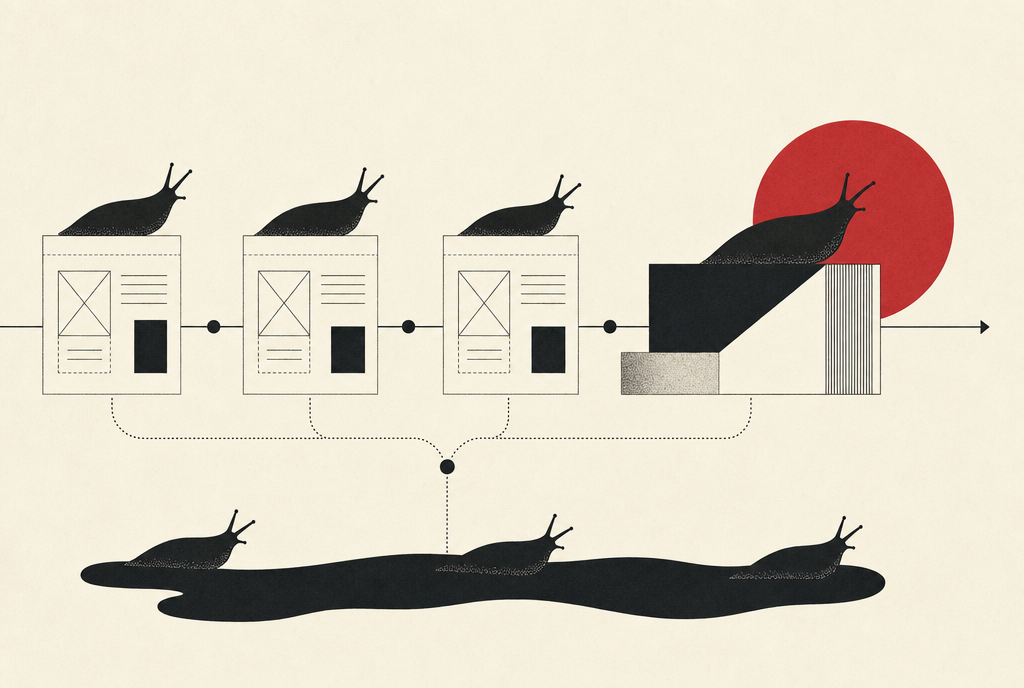
Omnismith introduces project-scope slugs across templates and entity endpoints to streamline API workflows and eliminate identifier resolution queries. By defining project-unique string identifiers during attribute and template creation, ingestion pipelines can resolve slugs to UUIDv7 primary keys during payload validation, eliminating the need for pre-flight HTTP requests to fetch schema definitions.
This approach offers deterministic API workflows, reduced network latency, and improved code complexity in stateless pipelines.
To illustrate the process, the following sequence demonstrates creating a metric attribute, binding it to a template, instantiating an entity, and retrieving the entity state using slugs. First, a CPU Utilization attribute with slug "cpu_usage" is defined and assigned a UUIDv7 identifier. Next, the attribute is bound to a Compute Node template using both the slug and attribute_slug parameters.
Following that, an entity record is instantiated using the template_slug "node" and specifying the cpu_usage attribute value. Finally, the entity is retrieved with slug-keyed attribute values.
While string slugs bring operational benefits, they also introduce considerations regarding schema immutability and runtime resolution overhead. Slugs must remain unique within a project, and modifying an existing slug can break downstream pipelines. Additionally, API requests containing slugs undergo in-memory resolution to map strings to backend UUIDv7 keys before executing entity updates or time-series storage writes.
Despite these tradeoffs, universal slug support across resources removes external state dependencies, allowing scripts and integration layers to deploy and interact with project schemas deterministically.
Written by urgent.news from Dev.to's reporting — not their text. Machine-written — may contain errors; check the original before relying on it.