Exercise engages a mechanically activated astrocyte state linking muscle activity to hippocampal plasticity
Physical exercise promotes brain health in part through muscle-derived factors that enter the brain, but how peripheral signals are translated into neural responses remain unclear. Here, we identify astrocyte contraction as a previously unrecognized physiological response to exercise signals that may contribute to adult hippocampal neurogenesis. In vivo, voluntary running rapidly induced nuclear…
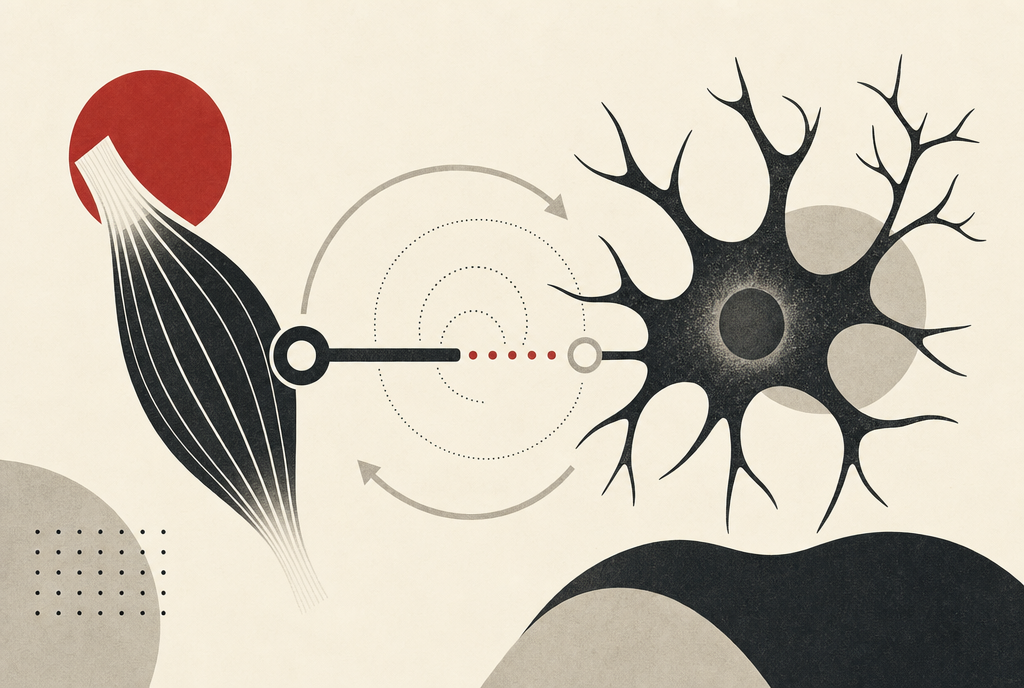
Recent research reveals a previously unknown mechanism linking physical exercise to brain health, specifically through the activation of astrocytes in the hippocampus. When mice engage in voluntary running, their muscle-derived factors enter the brain and trigger a contraction response in hilar astrocytes, the star-shaped brain cells known as astrocytes.
This contraction is facilitated by a mechanically sensitive transcriptional regulator called Yes-associated protein (YAP), leading to increased phosphorylation of non-muscle myosin II.
In a laboratory setting, researchers utilized an advanced force sensor platform to observe that factors released by contracting skeletal muscles directly activated the contracting astrocytes. These activated astrocytes subsequently proliferated and expanded, expressing a necessary and sufficient response to the induced contraction. The activated astrocytes then released soluble factors that modulated neuronal network tension and promoted the abundance of immature neurons.
This groundbreaking study establishes that astrocyte contractility serves as a physiological intermediary between exercise-derived muscle signals and hippocampal plasticity. By demonstrating the cellular force generation as a potential mechanism regulating neuroplasticity, the findings open new avenues for understanding the intricate interplay between physical activity and brain health.
Written by urgent.news from bioRxiv's reporting — not their text. Machine-written — may contain errors; check the original before relying on it.