Everything depends on Trump: US calls the shots as Israel is sidelined in Iran war
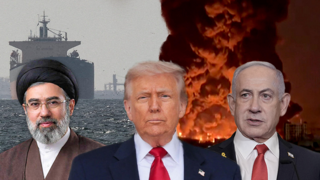
For four months, Israel and the United States have been locked in a tense standoff following the conclusion of Operation Roaring Lion. While Israeli forces resumed operations against Iran in June, the U.S. has largely maintained a distance, striking targets in Iran while Israel remained largely on the sidelines. This arrangement, described by Gen. Dan Caine, chairman of the U.S. Joint Chiefs of Staff, as an "off-ramp" from the conflict, has created significant challenges for Israel.
According to Dr. Avishay Ben Sasson-Gordis, head of the U.S. research program at the Institute for National Security Studies, Israel's strategic autonomy is now severely limited. Israeli forces can no longer act independently in response to emerging threats, as their actions are now subject to the wishes of the U.S. president. This has created a situation where Israel is neither a participant in the U.S.-Iran campaign nor completely unscathed by the conflict.
The U.S. has also used its leverage to influence Israel's decision-making process. In a recent example, President Trump canceled a planned strike on Iran, only to later announce that a framework for a potential deal had been reached. This pattern of sudden cancellations has left Israel uncertain about its strategic standing and its ability to pursue its own interests.
Despite these challenges, there have been instances where Israel has used U.S. pressure to advance its national interests. However, this reliance on American support has created a complex dynamic, where Israel is seen as both less influential and increasingly constrained in its ability to act autonomously.
Written by urgent.news from Ynetnews's reporting — not their text. Machine-written — may contain errors; check the original before relying on it.